When it comes to choosing sustainably, fashion girls are often made to feel like they must pick between style and environmental responsibility. I know I’ve passed up more than one opportunity to look snatched, simply to avoid that lingering three-per-cent-polyester tag haunting my wardrobe. But it’s always made me wonder how much harder that choice must be for a founder. After all, in their shoes, it’s not just about how the brand resonates with their customers, but also about how the profit and loss statement looks at the end of the year.

Image Source: Summer Away
So when I knew I was about to chat with Meghna Goyal, the founder of Summer Away – a brand that doesn’t make me choose between style and sustainability – my curiosity took the form of endless questions. According to Goyal, one principle always took centre stage for her decision-making with Summer Away, longevity. ‘Not every piece needs to chase a trend. We focus on silhouettes, colours, and details that people will want to wear repeatedly. When something has longevity built into it, the sustainability aspect follows naturally,’ she says. While Summer Away has always felt current, it became clear early on in our conversation that its appeal lies in something deeper – timelessness. Take, for instance, this fuchsia dress. I styled this piece from the brand almost two years ago, but would I still wear it today? The answer was a resounding ‘yes’.

For Goyal, however, building the brand began with solving a problem many of us have faced, especially around travel dressing. ‘I was constantly curating my own travel wardrobe (we end up shopping most around our travels) because I hated the stress of packing and still feeling dissatisfied. When I first moved back to India, I struggled to find clothes I would actually wear on vacation that felt stylish, easy, and something I’d rewear,’ she adds. It’s no surprise, then, where the brand name comes from! Solving a style problem is one thing, but making sure it doesn’t come at the planet’s expense requires deeply held personal values.'I’ve always been very conscious about how I live. I’m careful about waste, how much and what I consume, and the impact of everyday choices. When I decided to start a fashion brand, it felt natural to embed those values at the heart of everything we do, from how we design and produce to how we consider product longevity from the very beginning. For me, it was about being thoughtful at every step, ensuring that clothes that looked good also truly made sense to exist,' she explains.
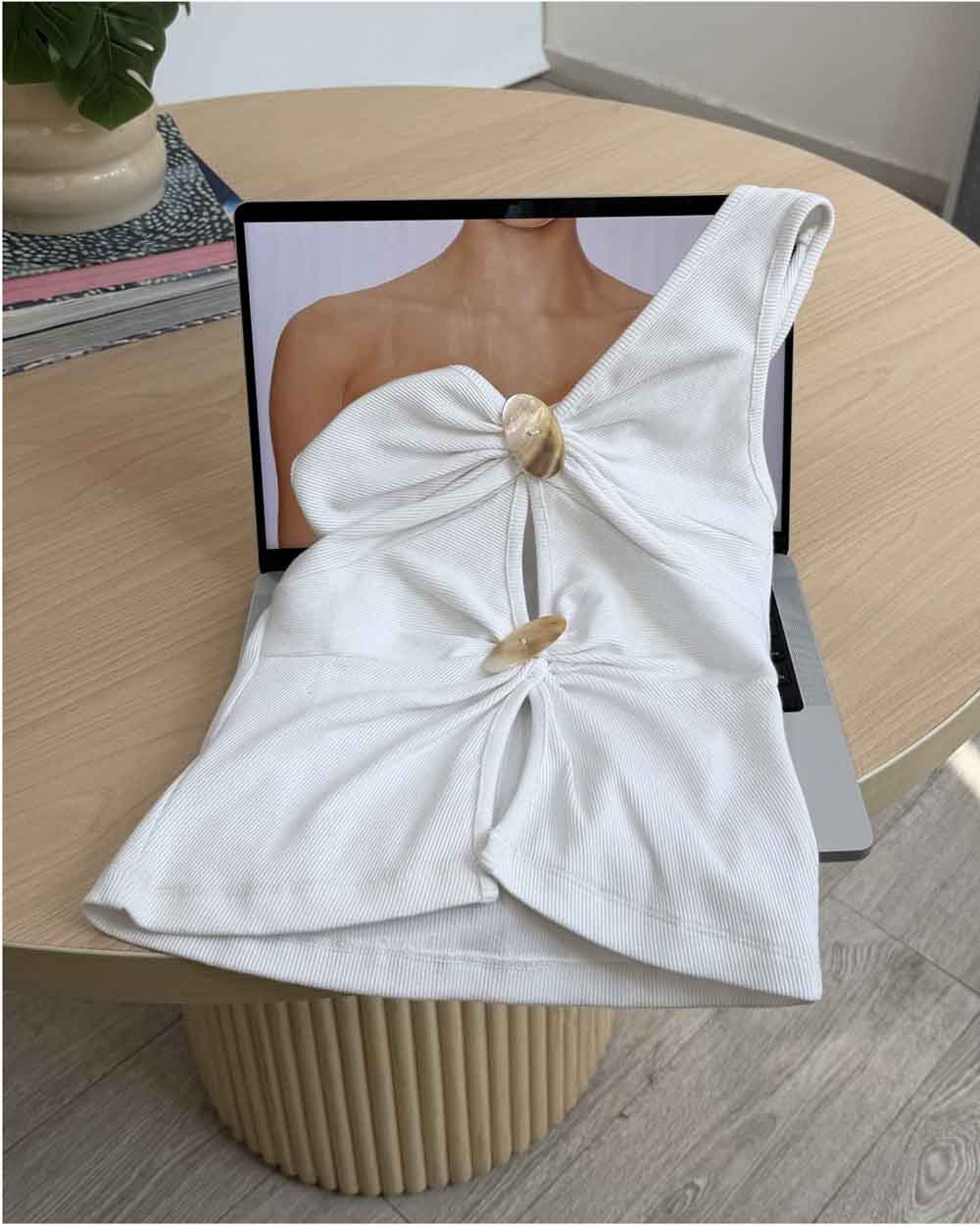
Image Source: Summer Away
When it came to the finer details, this meant choosing the right materials. ‘We only work with natural fabrics like linen, cotton and viscose because they make sense for warmer climates and travel. The fabric has to feel good on the body and hold up over time, not just look good for one wear,’ Goyal adds. This same clarity extends to how the brand approaches scale. Summer Away has consciously resisted pushing beyond certain price points or overproducing, something frequent restock requests (myself included) will attest to. My own wishlist doesn’t end at the fuchsia dress. The brand’s footwear, too, has developed quite the cult following. A pair of slinky black flats (arguably more comfortable than most sneakers I own) makes for a compelling case. And while demand may seem flattering, as a founder, Goyal made sure she balances it with the values that make the brand what it is, even if it means slower growth. ‘Scaling slowly was a conscious decision. Producing smaller runs meant higher costs and slower growth, but it also meant less waste and more control. We’ve had to say no to certain price points and opportunities because they didn’t align with how we wanted to produce,’ she says.

Image Source: Summer Away
And that’s where things get interesting. Because very often, building a brand with intent doesn’t stop at the product. For Summer Away, ensuring the brand reflected its evolution meant a rebrand, which is something most entrepreneurs find challenging. ‘The brand had grown, and the name no longer reflected where we were headed. Rebranding felt risky, but staying stuck felt worse,’ says Goyal. In late 2025, the brand went from ‘Summer Somewhere’ to its current identity, ‘Summer Away’. ‘Permitting myself to evolve and letting the brand do the same has been liberating. It reminded me that businesses don’t have to stay frozen in their first version to be authentic,’ the founder concludes.