Impulse buys are not alien to anyone. We’ve all succumbed to it at some point, during a sale or just a stressful moment. But what if the solution to fast fashion habits isn’t guilt, decluttering binges, or another donation pile? We’re telling you that impulse shopping recovery could actually be the starting point for building a more sustainable wardrobe. So, here’s how to turn that fast fashion hangover into something far more intentional.
Why We Impulse Buy
Before fixing it, it helps to understand it.
The Sale Effect
Limited-time discounts trigger urgency. We buy because it’s probably at 70 per cent, not because we need it.
Trend Fatigue
Micro-trends move faster than seasons. So, by the time the parcel arrives, you may feel like you don’t need it anymore.
In India’s rapidly expanding fashion market, access is easier than ever. But slow fashion should be about recalibrating our relationship with what we already own too.
Here’s how you can do that:
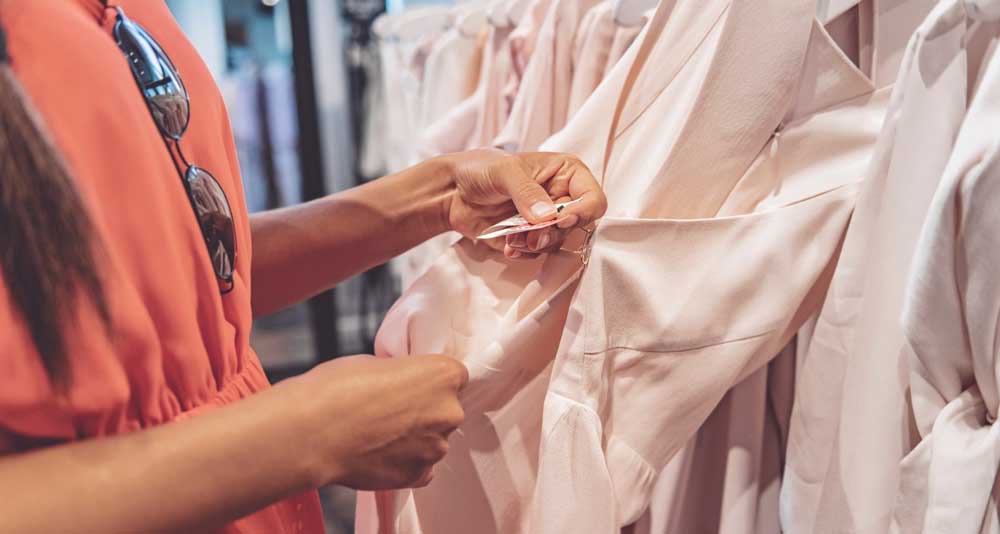
Step 1: Reassess, Don’t React
Instead of shoving the item to the back of your wardrobe, pause and ask yourself:
• Does it fit well, or almost well?
• Is it the colour, the cut, or the styling that feels off?
• Would I buy this again today?
Often, the problem isn’t the garment, but the mismatch between expectation and reality.
Step 2: Transform Through Alterations
Sometimes the difference between regret and revival is a tailor.
Clothing alterations can:
• Shorten hemlines for better proportion
• Adjust waistlines for improved fit
• Remove fussy sleeves or add structure
• shorten kurtas to tops
A ₹300 alteration can extend the life of a garment by years. Think of tailoring as an sustainability investment.
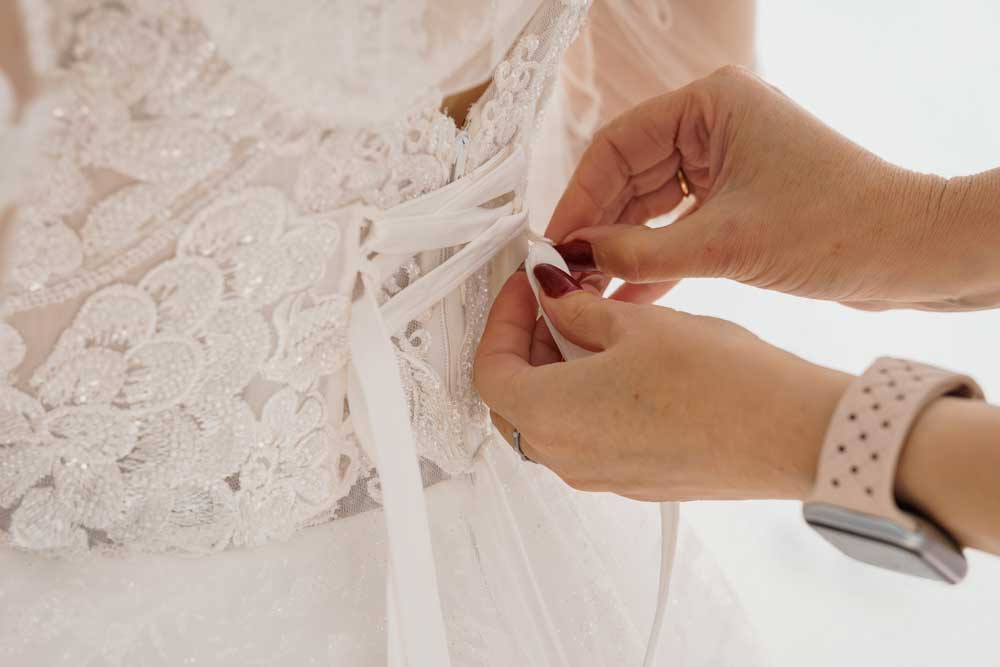
Step 3: Dye, Distress, or Redesign
If the issue is colour or personality, transformation is your friend.
• Dye faded blacks back to life
• Over-dye a pastel you never wear into a richer tone
• Convert saris to lehengas
• Add embroidery, patches, or contrast buttons
This is where upcycling fashion becomes creative rather than corrective.
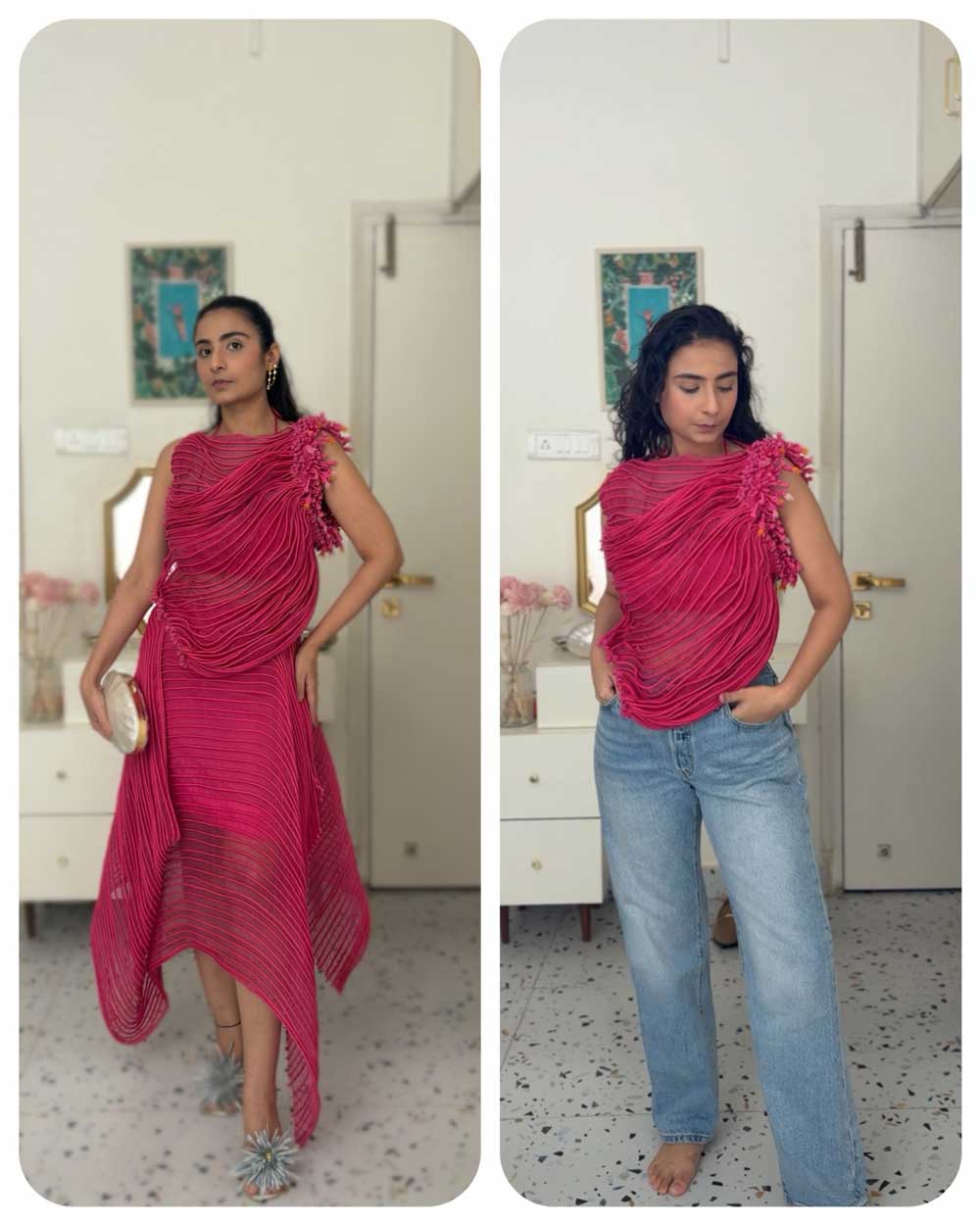
Step 4: Restyle Before You Rehome
Sometimes the garment isn’t wrong. It’s just unfamiliar.
Style your piece with a different perspective and consider:
• Layering a strappy dress over a shirt
• Styling statement pants with a neutral tank
• Wearing occasion wear with flats for daytime
Commit to wearing it three different ways before deciding its fate. A sustainable wardrobe is built on experimentation, not perfection.

Step 5: Rehome Responsibly
If it truly doesn’t work, don’t default to disposal. Your clothes may deserve better than a landfill
Here are a few options that may hold some merit:
• Clothing swaps with friends
• Resale platforms
• Gifting to someone who will genuinely wear it
• Donating to verified organisations that distribute directly (not textile landfills)
Impulse shopping recovery can be simply about ensuring the garment has a longer life, even if not with you.
Recovering from fast fashion habits is less about never slipping up and more about what you do next. Think of every transformed piece as a means to reduce textile waste, lower demand for new production, or even strengthen your personal style.
And the next time you feel the urge to buy impulsively, you might just pause because you now know how much potential already hangs in your wardrobe.