‘Craft’. It’s a word that you’ll find in most ‘About Us’ pages today, especially ones that belong to young fashion brands. To an extent, it’s reflective of a genuine cultural shift at the fashion consumer’s end. But mostly, it has started to feel more like a marketing strategy. Block printing, hand embroidery, handloom weaves, natural dyeing: these words appear along with craft terms on brand websites, in campaign copy and across Instagram captions with a frequency that has begun to drain them of meaning. The problem, however, is that featuring a craft occasionally and actually sustaining the craft ecosystem are very different things.
India's artisan economy employs nearly 200 million people. It is one of the largest employment sectors in the country. And when a brand genuinely invests in craft with consistent orders, fair wages, skill transfer and long-term relationships, it ends up contributing to an ecosystem that sustains communities, preserves cultural knowledge and keeps techniques alive that took generations to develop. On the flip side, when craft is used as a seasonal aesthetic, the benefit is temporary at best and mostly exploitative.
What Genuine Craft Commitment Looks Like
A brand that genuinely sustains craft does not work with artisans simply when it is convenient. It works with them consistently, across seasons, across collections and often even across years. The relationship looks less like a commission and more like a partnership.
Genuine craft patronage involves transparency about the craft clusters involved, the history and the artisans, instead of being described vaguely as ‘skilled craftspeople from Rajasthan.’ It means the brand can tell you how long they have worked with a particular community, what the production process looks like and what the artisans are paid.
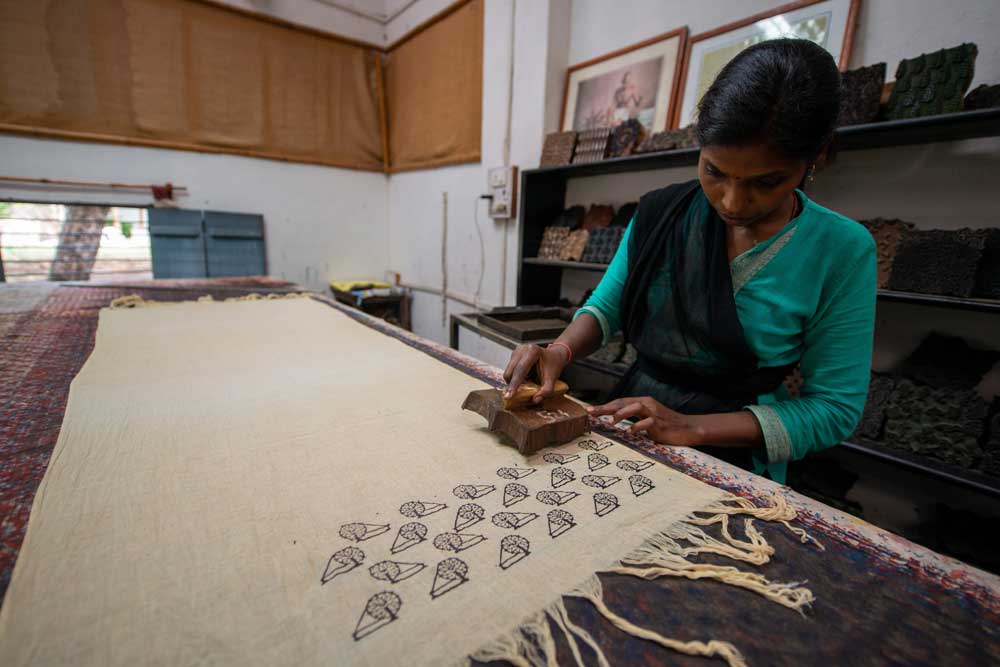
It also involves investment beyond the transaction. Brands that genuinely sustain craft often support skill development, contribute to documentation of techniques, work with younger artisans to ensure knowledge transfer and return to the same communities year after year rather than moving on when a different craft becomes more commercially appealing.
The Red Flags
The language of craft-washing is by now fairly recognisable if you know what to look for. ‘Handcrafted’ with no further detail and ‘artisan-inspired’ are phrases that signal the craft is an aesthetic reference rather than an actual process. ‘Hand-finished’ is also equally ambiguous for any actual information.
Campaign imagery that foregrounds the texture of the textile without ever showing the person who made it is another red flag.
One-off collaborations also signal that a brand which partners with an artisan community for a single limited-edition collection and then moves on has borrowed a story, not built a relationship.
While artisans may receive work for one season, the impact is largely unstable.
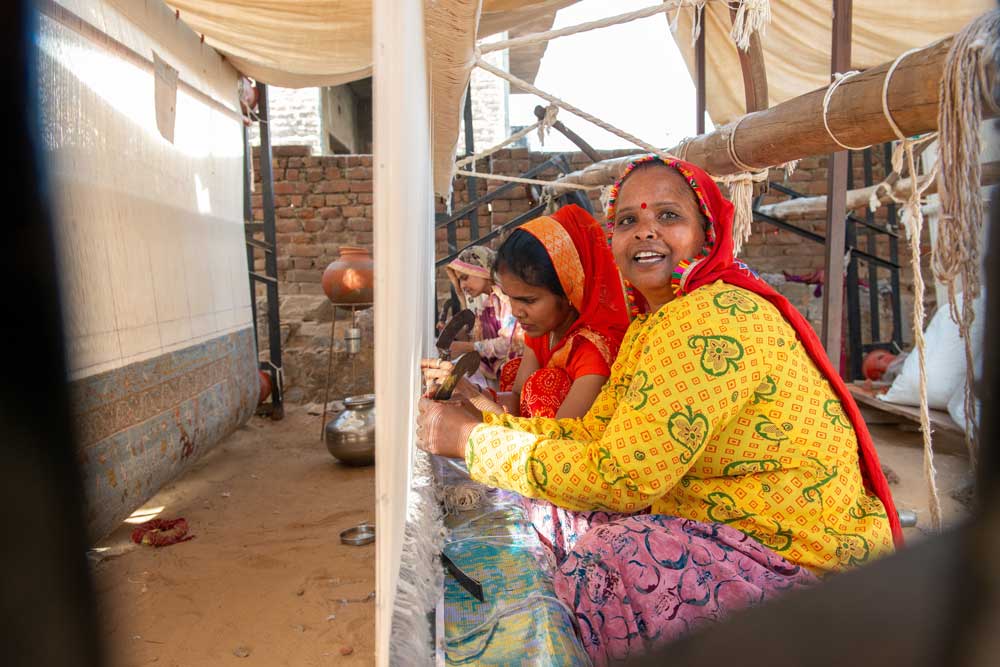
Craft as a seasonal trend is perhaps the most telling red flag of all. If a brand's interest in a particular technique correlates suspiciously with that technique appearing on international runways, ask yourself whether the interest is genuine or opportunistic.
The Questions Worth Asking
A few direct questions, asked of a brand or its customer service, can reveal a great deal about where on the spectrum it actually sits.
‘Where is this made, and by whom specifically?’
A brand with genuine craft relationships can answer this with names and places, not categories.
‘How long have you worked with this community or cluster?’
Longevity is one of the clearest signals of genuine investment. How often they place orders with them and what percentage of the retail price reaches the maker are other details that can tell how committed a brand is to the crafts.
On a brand's own platform, look at how makers are talked about. Are artisans named and credited, or are they an anonymous backdrop to the product? Is the craft relationship described in specific, verifiable terms, or in the generalised language of appreciation that could apply to anyone?
What Sustained Craft Actually Produces
Beyond the ethics of the matter, there is a practical argument for choosing brands that genuinely invest in craft over those that borrow from it. Craft that is sustained produces better work. An artisan who has worked with a brand for five years understands what it is trying to achieve. The technique is applied with more precision, more innovation and more integrity than it can be when the relationship is new, transactional or temporary.
While the marketing of ‘craft’ maybe new, many Indian brands have built this kind of relationship with their artisans. Labels like Anavila, Injiri, 11.11/eleven eleven, Eka and Raw Mango, among others, share a common characteristic where the craft is not an addition to what they do. It is the foundation from which everything else is built. Their collections go beyond just featuring the craft, instead emerging from it and evolving with it. This distinction, subtle as it sounds on paper, is entirely visible in the finished product.
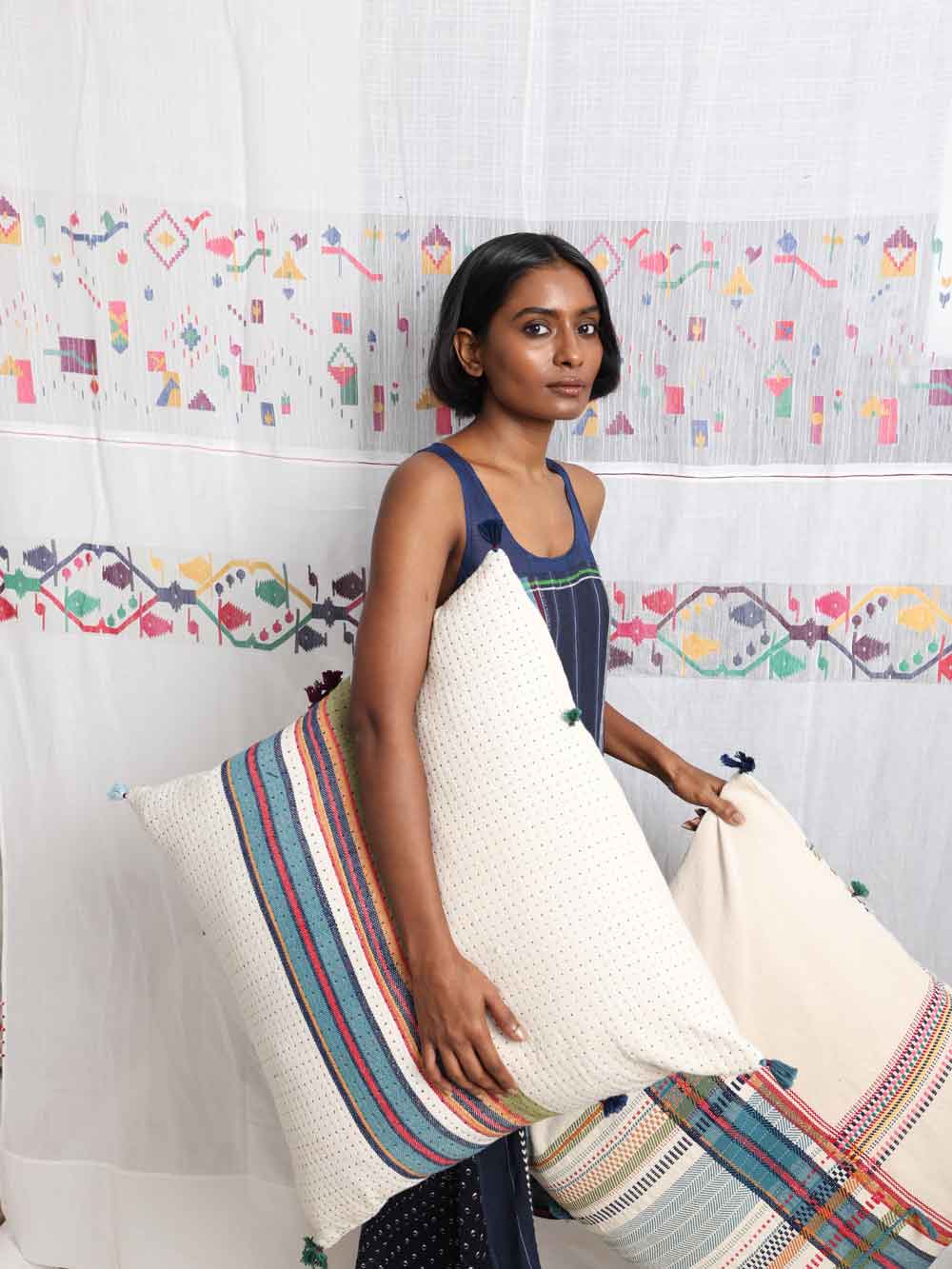
Image Source: Instagram/injiri
Crafts are a living system of knowledge, skill and community that requires sustained investment to survive. The brands that understand this are not hard to find, but they do require the consumer to ask a few more questions before buying. Those questions are worth asking as the answers will tell you almost everything you need to know.