India’s Cotton Legacy: Why It Still Matters
Long before ‘sustainable fashion’ became a buzzword, India was spinning, weaving, and wearing cotton in ways that respected land, craft, and climate. Cotton was the country’s cultural lifeline, tied to rituals, trade routes, and daily wear across the subcontinent. Its lightness suited the tropical heat, its handwoven character reflected regional identities, and its adaptability gave artisans infinite scope for design.
Khadi, the Eternal Favourite
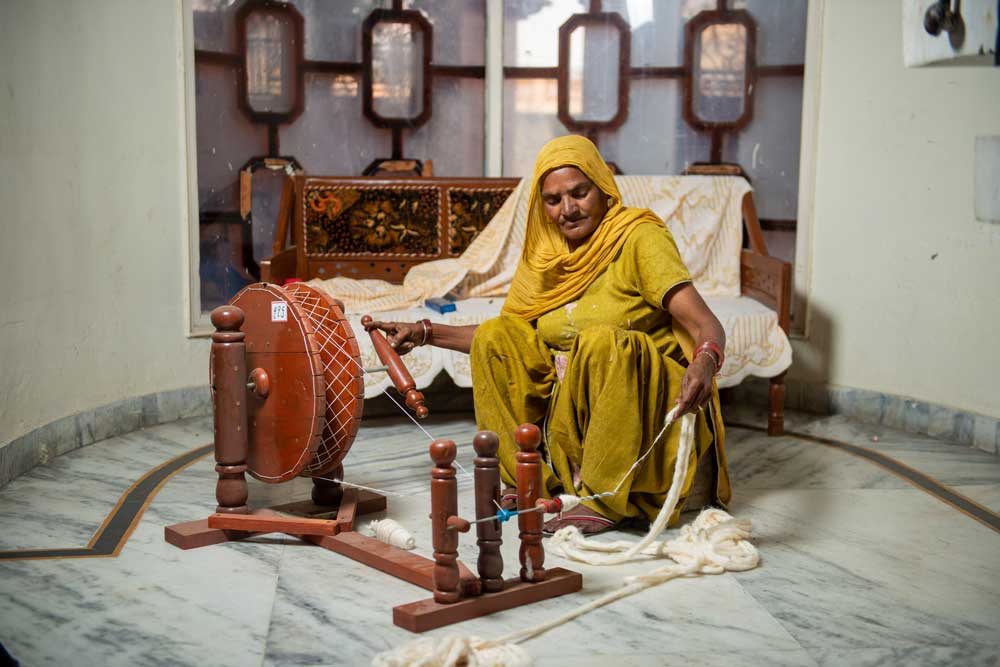
No conversation about Indian cotton is complete without Khadi. Handspun and handwoven, Khadi became the fabric of resistance during India’s freedom struggle, championed by Mahatma Gandhi as a symbol of self-reliance and dignity of labour. Beyond its political legacy, khadi embodies sustainability at its core. Spun without machines, woven with minimal energy, and perfectly adapted to India’s climate, the textile became the poster child for India’s cotton story. Today, it continues to be reinterpreted by designers in contemporary silhouettes, proving that a fabric born in protest can stay timeless in fashion. It will always hold pride of place as a symbol of resistance and resilience.
But beyond khadi lies a far richer tapestry: dozens of indigenous cotton weaves that quietly power local economies, encode cultural heritage, and point to a more sustainable fashion future.
Here are six you should know about and wear.
1. Kala Cotton (Kutch, Gujarat)
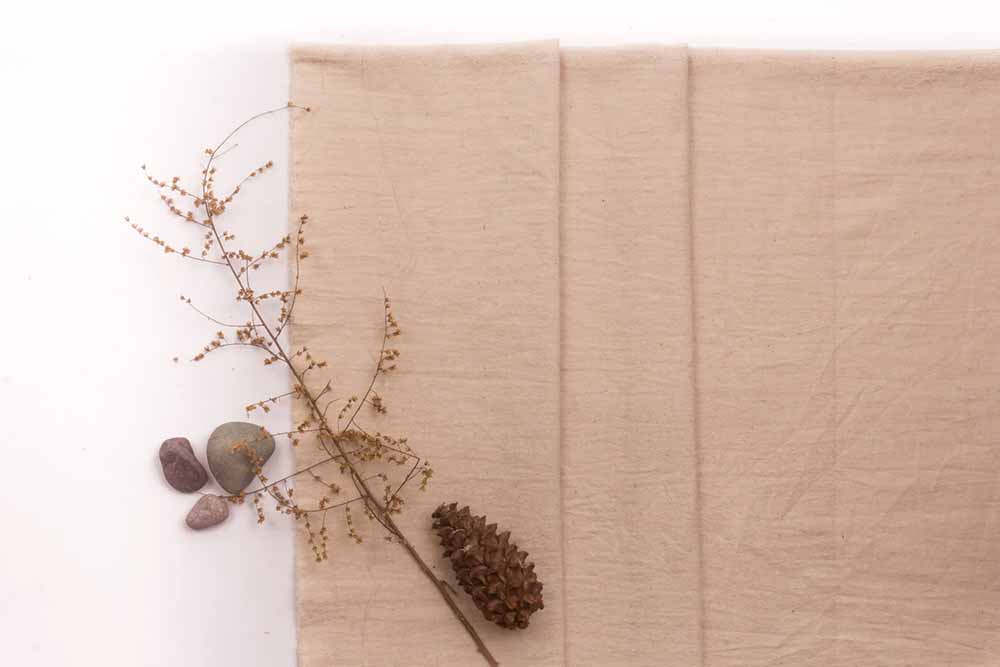
Image Source: suvetah.com
One of India’s oldest and sturdiest cotton varieties, Kala Cotton is a purely rain-fed crop that thrives without pesticides or synthetic inputs, making it naturally organic. The fabric, woven in Kutch, is dense yet breathable, with a raw, earthy texture that feels distinctly different from commercial cotton. Artisans often enhance it with traditional extra-weft motifs in geometric patterns, reflecting Kutch’s craft vocabulary.
Why it’s special: It’s a climate-resilient cotton, showing us how tradition can solve modern sustainability challenges.
2. Kotpad (Odisha)
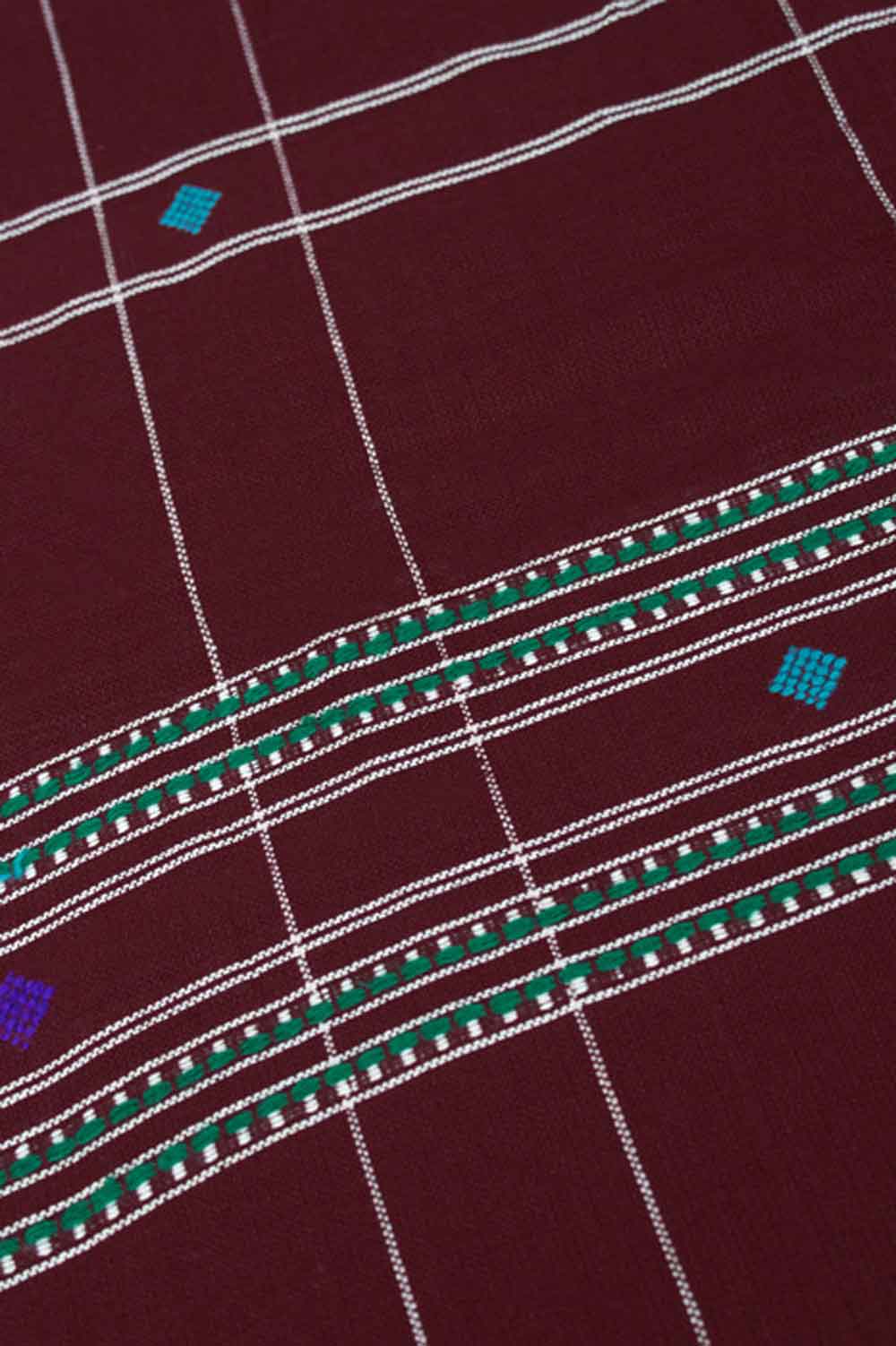
Image Source: gitagged.com
A tribal weave from the Mirgan community of Odisha, Kotpad is known for its deep, earthy shades- rust, brown, maroon- all dyed with natural dyes extracted from the aal tree root. Woven in coarse cotton, these fabrics often feature striking motifs like crabs, axes, and boats that echo tribal life and folklore. Traditionally, Kotpad textiles were used as shawls and saris in rituals, making them as much a cultural text as a fabric.
Why it’s special: Kotpad proves that natural dye traditions can be sophisticated, sustainable, and beautiful, no synthetics required.
3. Bhavani Jamakkalam (Tamil Nadu)
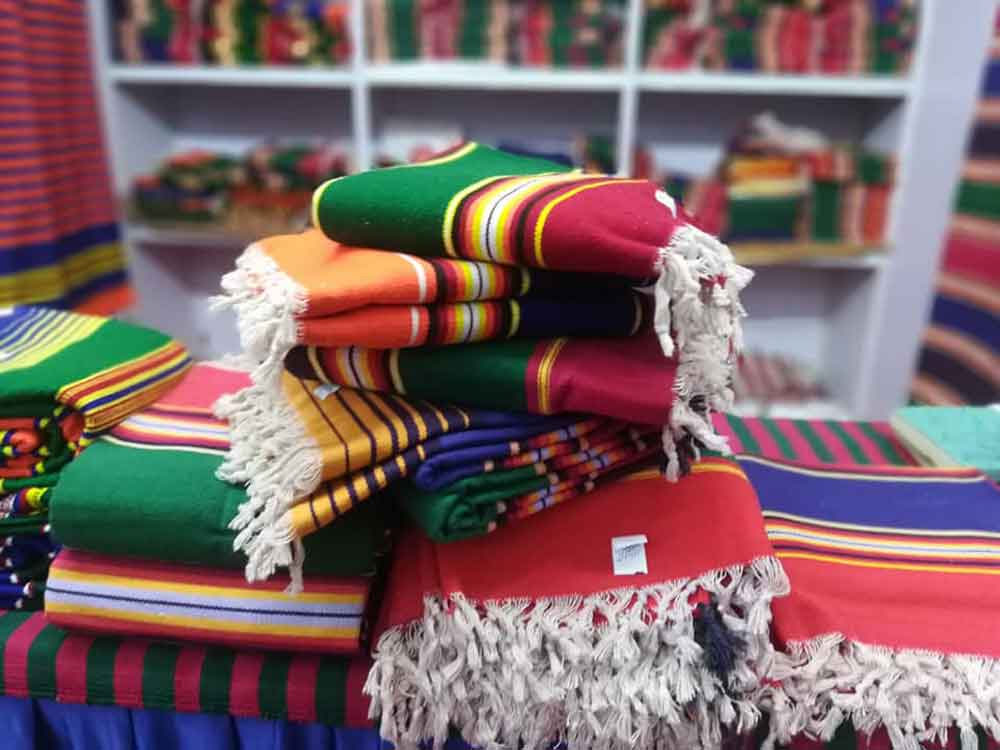
Image Source: geographicalindicationsoftamilnadu.wordpress.com
Hailing from the town of Bhavani, these cotton weaves are thick, durable floor spreads or blankets known as jamakkalams. Brightly striped, checked, or patterned in bold colours, they were historically prized as utilitarian yet aesthetic household items. Today, they’ve earned a GI (Geographical Indication) tag and are being adapted into bags, upholstery, and fashion accessories.
Why it’s special: Bhavani Jamakkalams show how utilitarian craft can adapt for modern use, sustaining livelihoods while keeping traditions alive.
4. Jamdani (West Bengal & Bangladesh)
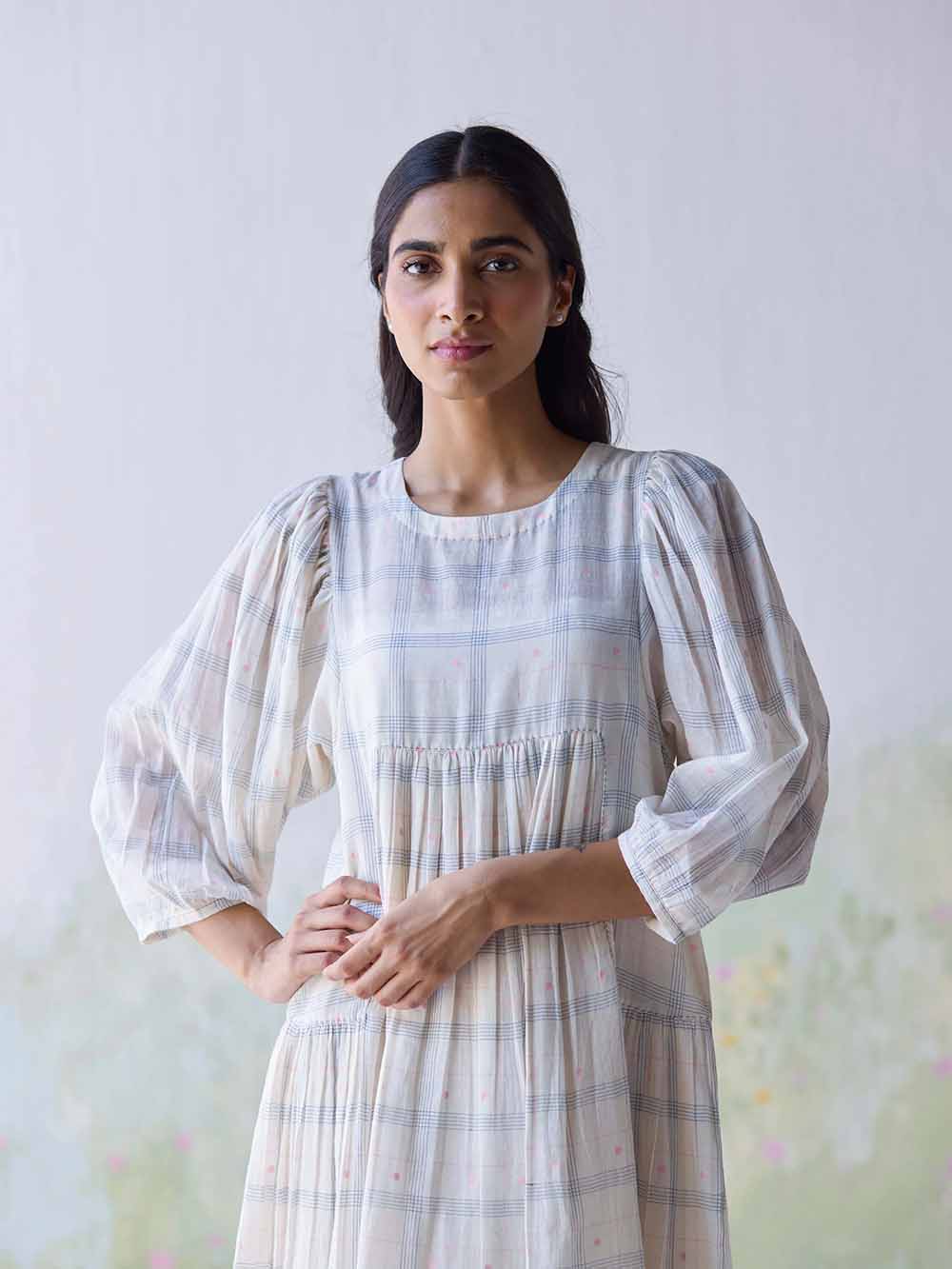
Image Source: bunastudio.com
Technically a muslin rather than just ‘cotton,’ Jamdani is one of the most intricate handloom traditions in the world. A weaver inserts motifs directly into the fabric using the supplementary weft technique, creating ethereal patterns that seem to float on a sheer ground. Once favoured by Mughal royalty, Jamdani saris are now a symbol of Bengal’s textile excellence. While traditionally floral, modern weavers are experimenting with abstract and geometric designs.
Why it’s special: Jamdani embodies slow fashion at its purest. Each sari can take months to weave, representing patience, precision, and poetry in cotton.
5. Sungudi (Tamil Nadu)
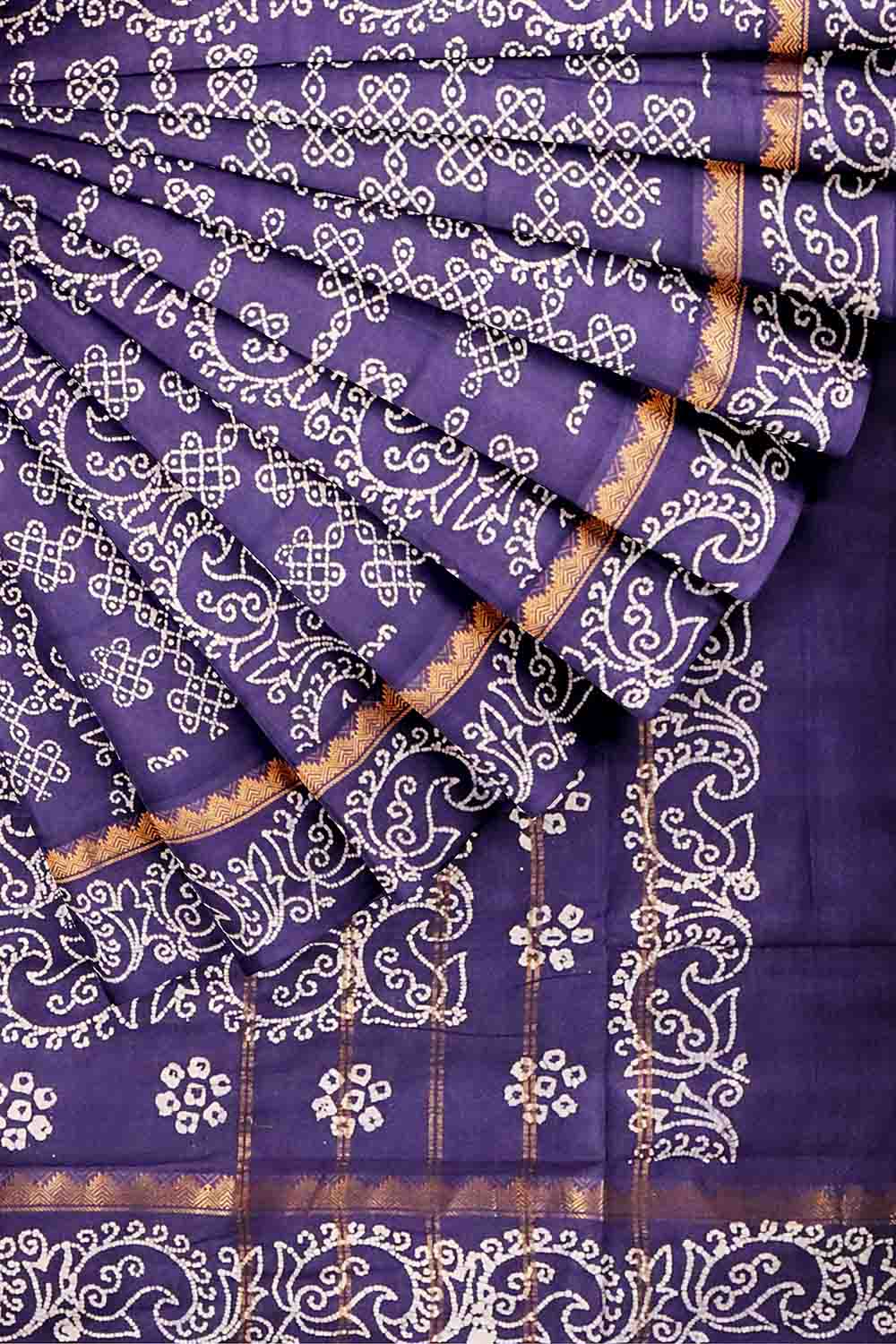
Image Source: thandavas.com
Originating in Madurai, Sungudi is a tie-and-dye cotton textile created by the Saurashtrian community, who migrated from Gujarat centuries ago. Dotted patterns, sometimes thousands on a single sari, are painstakingly tied and resist-dyed by hand. Traditionally worn as everyday saris by women in South India, Sungudi fabrics are feather-light, breathable, and perfect for hot weather.
Why it’s special: Sungudi keeps alive one of India’s oldest tie-dye practices, and its airy cotton base is the definition of comfort-meets-craft.
6. Kota Doria (Rajasthan)
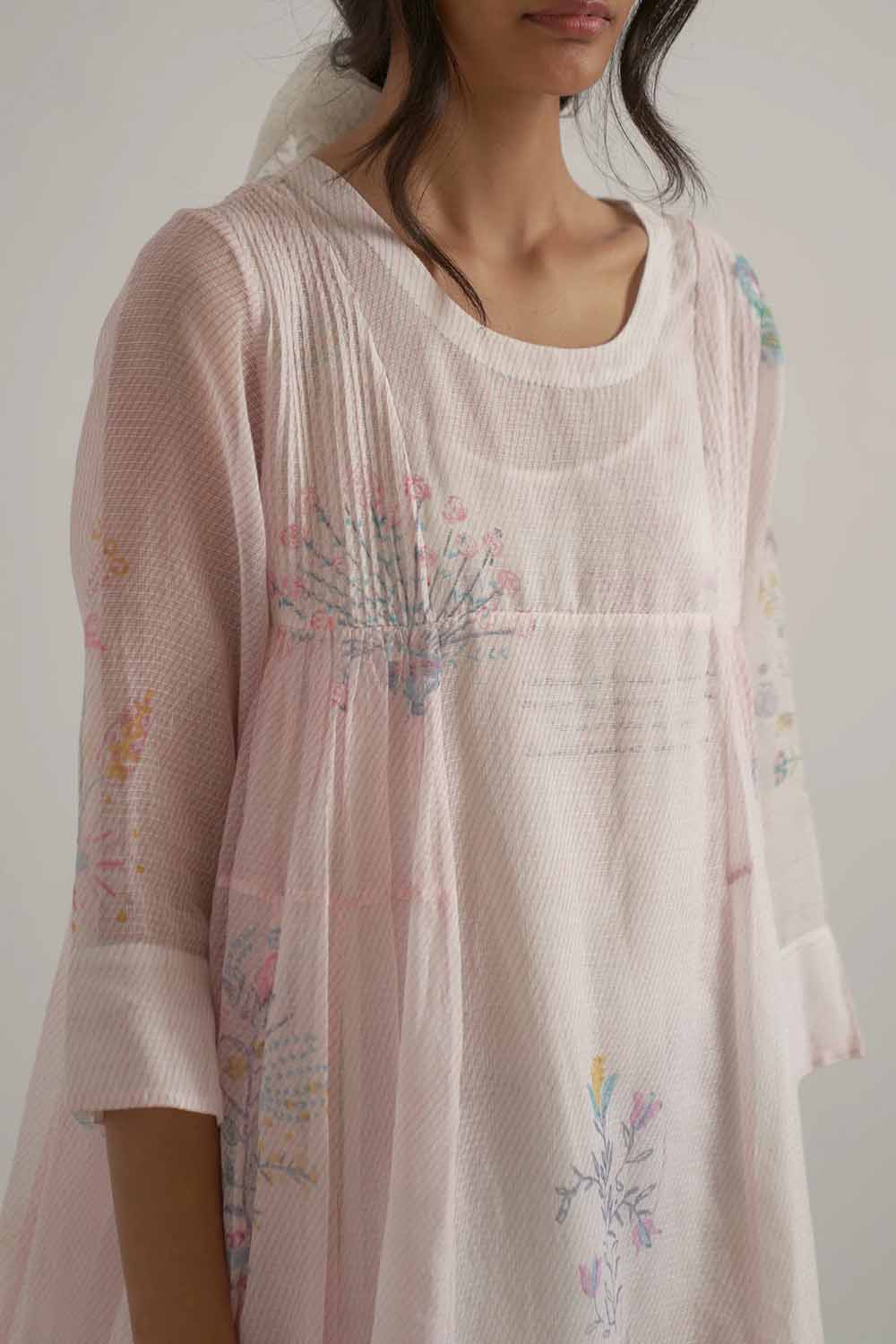
Image Source: eka.co.in
Delicate yet deceptively strong, Kota Doria is woven in the town of Kota, Rajasthan, with a unique square-check pattern locally called khats. Traditionally woven in cotton, and sometimes with silk blends, the fabric is prized for being feather-light, airy, and sheer, making it ideal for the desert climate. Its understated elegance has made it a favourite for saris and dupattas, often adorned with minimal zari or hand-block motifs.
Why it’s special: Kota Doria exemplifies how handloom weaves can combine lightness, comfort, and cultural character, a slow-fashion staple for summer wardrobes.
Why Indigenous Weaves Deserve Our Support
Each of these cotton traditions carries something irreplaceable: a farming system, a regional identity, an artisan skill, and a sustainable design philosophy. In an era of fast fashion, machine-printed Jamdani motifs, or mass-produced handloom-look fabrics, supporting indigenous cotton weaves is an important move towards supporting the country’s cultural fabric.
Choosing these textiles strengthens artisan economies, keeps biodiversity-rich cotton varieties alive, and reduces fashion’s carbon footprint. More importantly, it keeps the stories, motifs, and hands behind the cloth in circulation.
Khadi may remain the most iconic, but beyond khadi lies a cotton universe that deserves our attention and a place in our wardrobes. Supporting these weaves is not just about heritage; it’s about securing a slower, fairer, and more sustainable fashion future.