Got that dress that looked perfect online but lost its shape after one wash? Or the T-shirt that started pilling within weeks? The list can go on. In an era of ultra-fast fashion and trend-driven shopping, low prices often hide a more expensive reality of clothes designed to be replaced quickly.
The result is just more waste, more impulse shopping, and wardrobes filled with pieces that never truly last. But learning how to spot quality before you buy can completely change the way you shop. A few simple checks can help you invest in garments that hold their shape, survive repeated washes, and stay in rotation far longer.
Here are five insider-approved tricks to avoid buying clothes that won’t survive more than five washes.
1. Start With the Fabric Check

Before you even look at the cut or colour, touch the fabric. One of the easiest ways to identify poor-quality clothing is by how the material feels in your hands. Thin fabrics that feel overly synthetic, plasticky, or unusually stiff often deteriorate quickly with wear and washing.
Natural fibres like cotton, linen, wool, and silk generally age better than low-grade synthetics, though blends can work well when made thoughtfully. The key is density and recovery. Hold the garment up to light, and if the fabric looks excessively sheer when it shouldn’t, chances are it may not hold up over time.
Another trick is to gently stretch the fabric and see if it bounces back easily. If it loses shape instantly on the rack, it likely will after a wash too. For basics like T-shirts, sweatshirts, or trousers, slightly heavier fabrics usually signal better durability.
2. Check the Seams and Stitching Closely
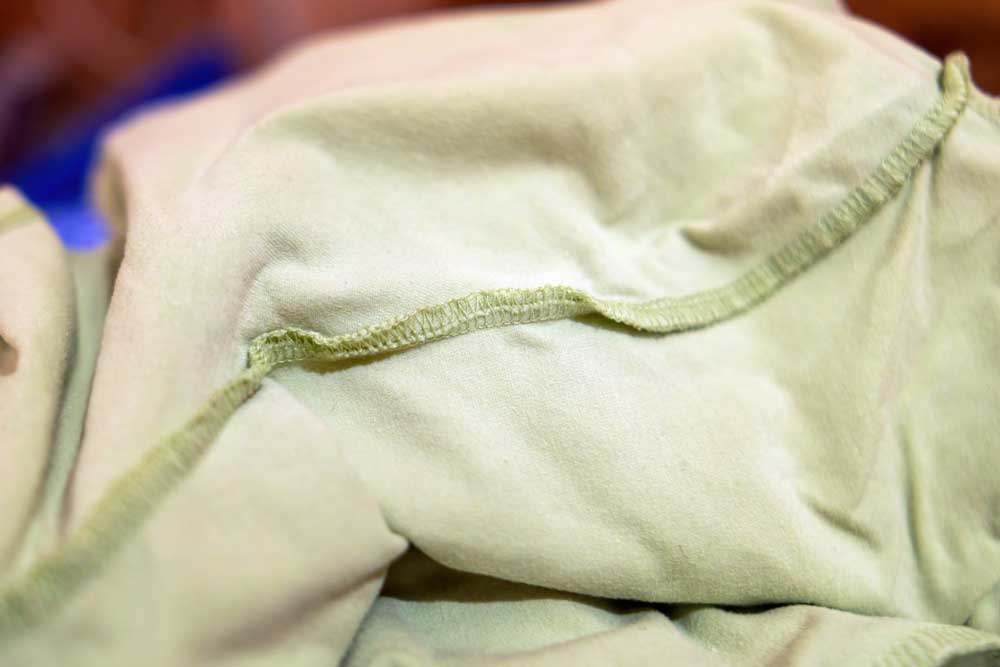
Good construction is often what separates a garment that lasts years from one that falls apart in months. Turn the garment inside out and inspect the seams. Loose threads, uneven stitching, skipped stitches, or seams that already look strained are immediate red flags.
High-quality garments tend to have tight, consistent stitching, reinforced seams in stress areas, clean finishing inside the garment, extra stitching around pockets, zippers, and hems.
You can also gently tug at a seam. If you can already see gaps forming between the stitches in-store, the garment is unlikely to survive repeated wear. This is especially important for denim, trousers, and fitted pieces that experience constant tension during movement.
3. Do the Wrinkle Test
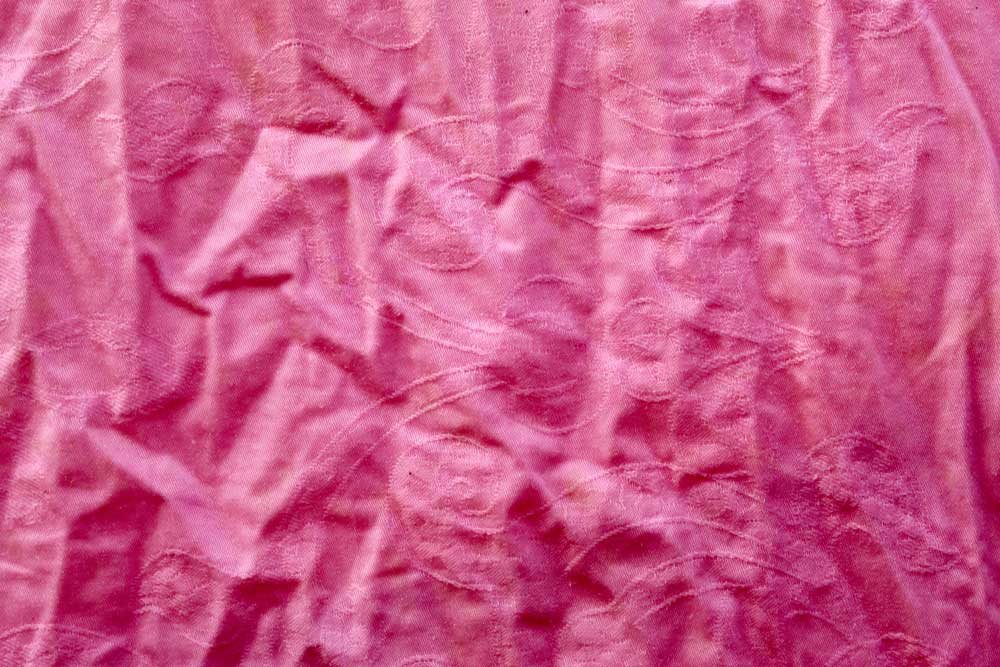
Here’s an effective trick many stylists and costume professionals swear by. Scrunch a small section of the fabric tightly in your hand for a few seconds, then release it. If the garment remains heavily creased and struggles to recover, it may indicate poor-quality fibres or weak fabric finishing. While some natural fabrics like linen wrinkle by nature, excessive wrinkling in materials marketed as structured or polished can signal low durability. The wrinkle test also helps identify garments that may lose shape quickly after washing or require high-maintenance care to continue looking good.
Clothes that recover well generally maintain a fresher appearance for longer, reducing the need for frequent replacement.
4. Read the Labels Like a Fashion Insider
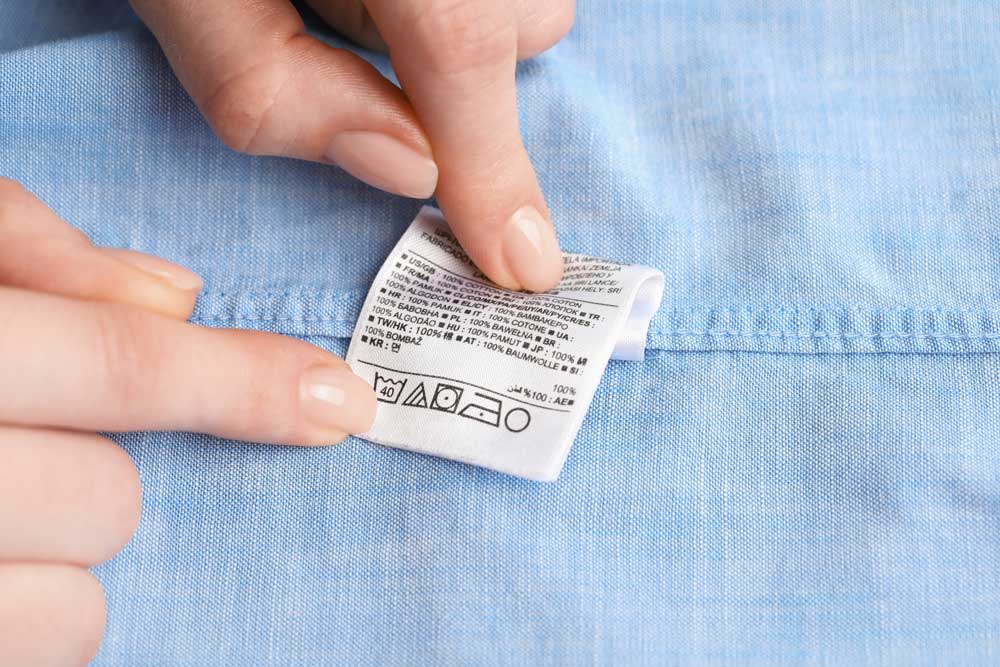
Most people glance at the size tag and move on. But the care and composition label often tells you exactly how long a garment is likely to last.
Certain signs can indicate better longevity:
• Higher percentages of natural fibres
• Clear care instructions
• Detailed fibre composition
• Country of manufacture transparency
Meanwhile, labels that rely heavily on vague synthetic blends without specifics can sometimes indicate lower-quality production.
Pay attention to care instructions too. If a basic everyday garment demands excessive maintenance, delicate handling, or dry cleaning despite inexpensive construction, it may not offer real long-term value.
5. Test the Garment’s Overall Strength
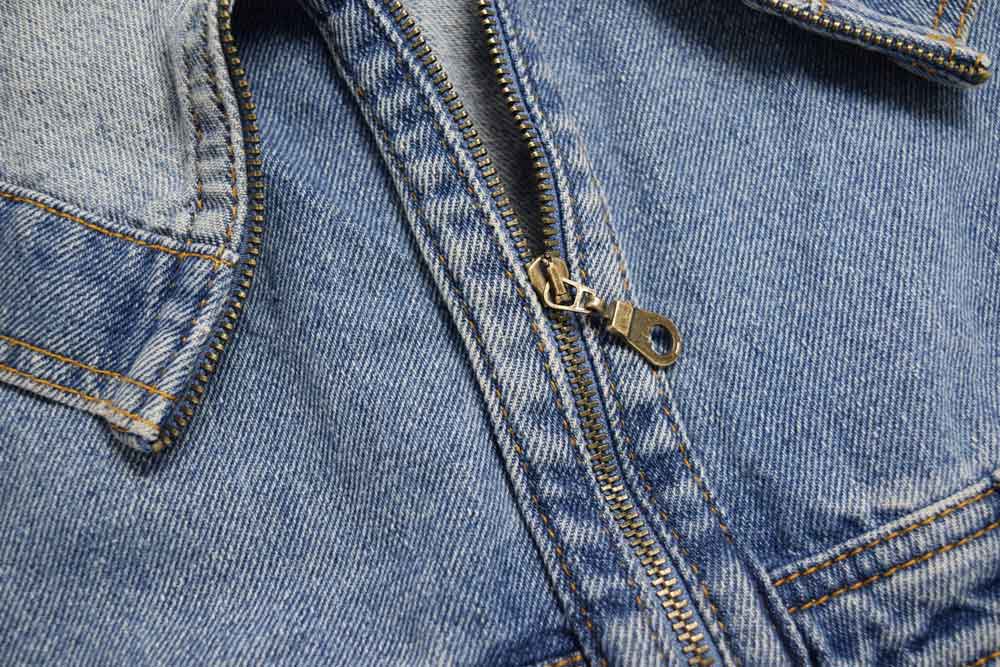
Check closures like zippers and buttons. Do they feel flimsy? Does the fabric pull awkwardly around them? Are the buttons loosely attached already?
Run your fingers along the garment’s surface to check for early signs of pilling or fibre shedding. Lower-quality fabrics often begin fuzzing before they’ve even been worn.
You can also try a gentle tension test:
• Pull the fabric slightly at stress points
• Sit or move around if trying it on
• Notice whether the shape shifts immediately
Well-made clothing tends to hold structure without feeling fragile.
In the long run, buying fewer but better-made pieces is often more economical than repeatedly replacing cheap garments that lose quality after a handful of washes. Learning to identify durability before purchasing not only saves money but also reduces fashion waste.