Donating clothes feels like the responsible, feel-good end to a wardrobe detox. You declutter, someone else benefits, and your conscience gets a gold star. But it’s not as much of a win-win as it may seem.
The truth is, clothing donation isn’t automatically sustainable. In fact, when done mindlessly, it can quietly add to textile waste, overwhelm charities, and even harm local economies. But a little intention before dropping off that bag can make a huge difference. These five simple steps ensure your clothes actually help, not hurt, the system they’re entering.
1. Be honest about the condition

A good rule of thumb: would you give this to a friend?
If it’s torn, heavily stained, stretched out, missing buttons, or at the end of its wearable life, it’s probably not donation-worthy. Many charities don’t have the resources to repair or sort damaged garments, and unusable items often end up straight in landfills anyway.
What to do instead:
- Mend minor issues before donating
- Recycle textiles through brand take-back programs
- Repurpose as cleaning rags or DIY projects
2. Wash everything (yes, everything)

It sounds obvious, but it’s often skipped. Donated clothes should be clean, odour-free, and ready to wear. Think of the volunteers and workers who sort through hundreds of items daily. Clean garments are safer, more respectful, and more likely to be reused.
Avoid donating clothes that:
- Smell musty from long storage
- Have lingering sweat or perfume odours
- Show signs of mould or dampness
This small step dramatically increases the chances of your clothes being resold or reused.
3. Research where your clothes are going
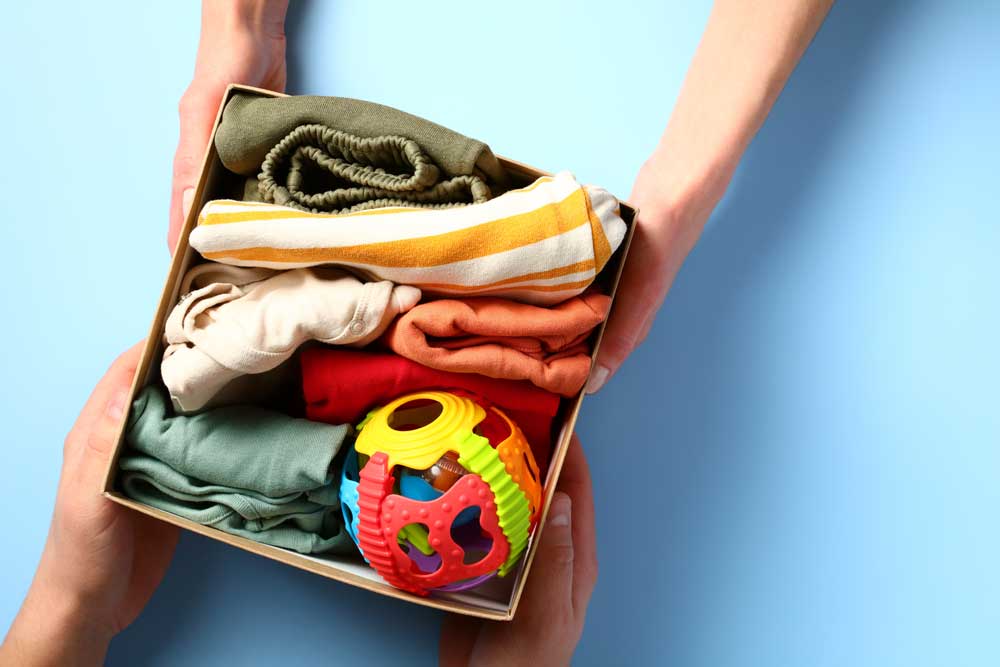
Not all donation centres work the same way. Some support local communities directly, others fund social causes through resale, and some export large volumes overseas.
Before donating, ask:
- What happens to unsold clothing?
- Do they accept all categories, like workwear, ethnic wear, or winterwear?
- Are there specific items they need right now?
Targeted donations, such as winter clothing in cold seasons or workwear for employment programs, are far more impactful than random drop-offs. Thoughtful placement is a core principle of ethical fashion.
4. Sort with intention, not speed
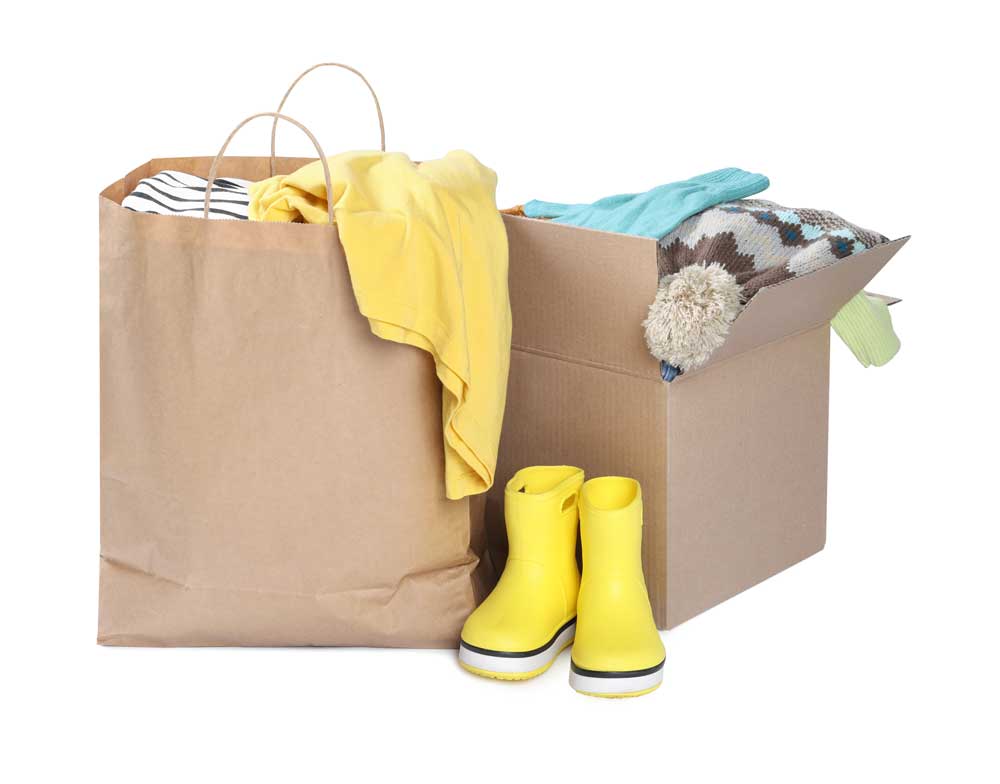
Dumping everything into one bag is quick, but not helpful.
Separate items by categories like everyday wear, occasion wear, accessories, footwear. Pair shoes together. Fold clothes neatly. Remove personal items from pockets, because you’d be surprised how often this is overlooked.
This makes sorting easier and increases the likelihood of your clothes being processed efficiently.
5. Consider alternatives to traditional donation
Donation isn’t the only responsible exit route.
Depending on the item, you might consider:
- Clothing swaps with friends or communities
- Resale platforms for higher-quality pieces
- Gifting directly to domestic workers, shelters, or support groups
- Upcycling or tailoring into something new
Sometimes the most sustainable option is keeping clothing circulating closer to home.
6. Common donation mistakes to avoid
- Donating fast fashion excess without thought. Quantity overwhelms systems, while quality helps them thrive.
- Assuming they’ll fix it. Most organisations don’t have repair capacity.
- Using donation to justify overconsumption. Buying more because you can donate later defeats the purpose of a sustainable wardrobe.
- Ignoring cultural or climate relevance. Sending heavy winterwear where it’s never cold isn’t helpful.
Clothing donation works best when it’s intentional, respectful, and informed. When done right, it supports communities, reduces textile waste, and keeps garments in use longer, exactly what circular fashion aims to do.