India’s mountain communities have always woven with intention. In regions where terrain is harsh, temperatures fluctuate wildly, and resources are scarce, textiles play the role of being tools for survival, identity, and continuity. From insulating shawls to breathable silks, these fabrics are quiet masterclasses in sustainable design, long before the word became fashionable. Here are five mountain textiles worth knowing, wearing, and protecting.
1. Pashmina, Ladakh and Kashmir
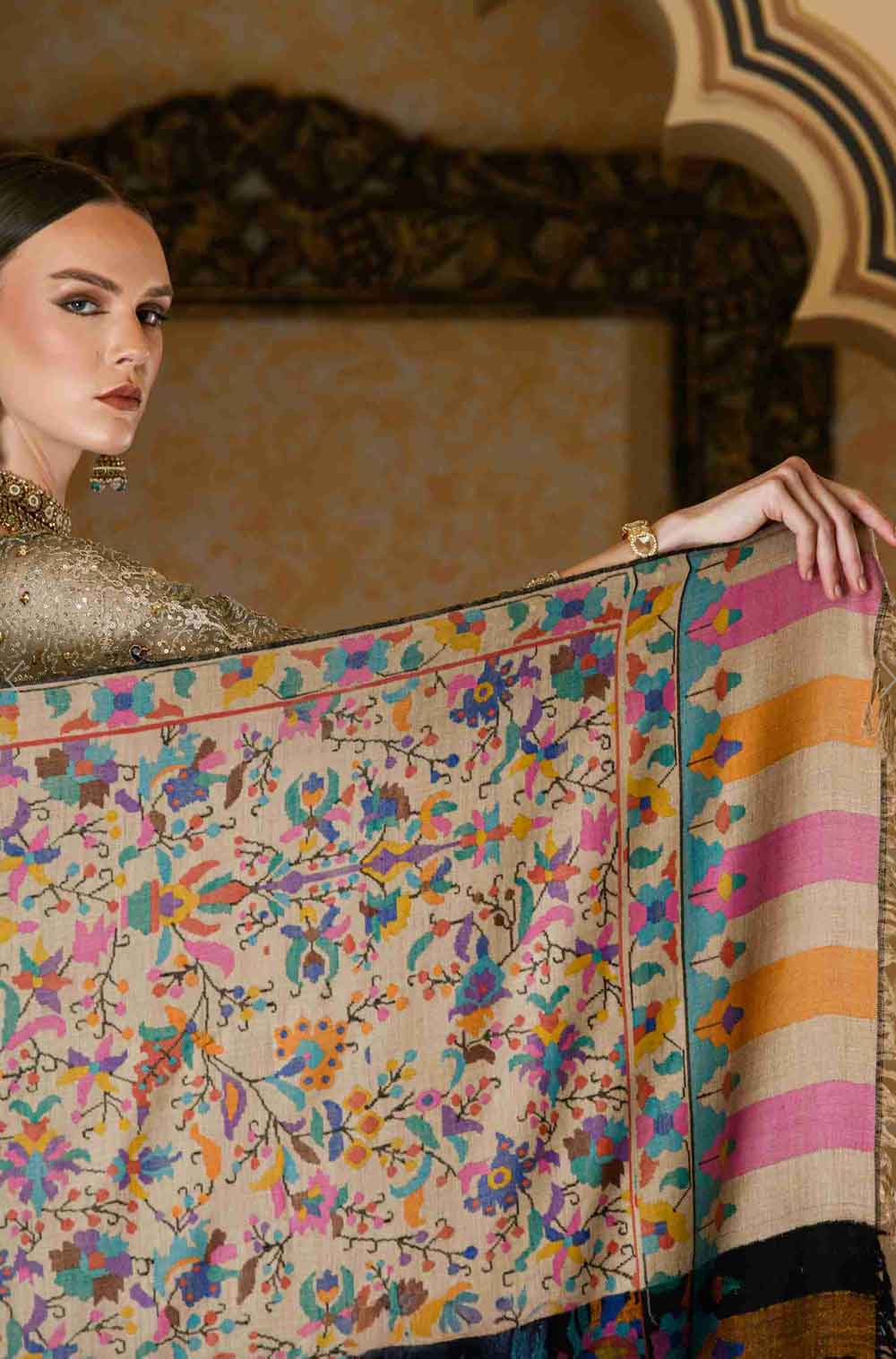
Image Source: Pashmina.com
Perhaps the most coveted Indian textile globally, pashmina is woven from the ultra-fine undercoat of the Changthangi goat found at altitudes above 12,000 feet. What makes it extraordinary is its natural ability to regulate temperature and is light enough for layering, yet deeply insulating in extreme cold. Traditionally hand-spun and handwoven, authentic pashmina weaving supports pastoral communities and master artisans in Kashmir. Each shawl can take months to complete, making it a symbol of patience and skill.
2. Lepcha Weave, Sikkim
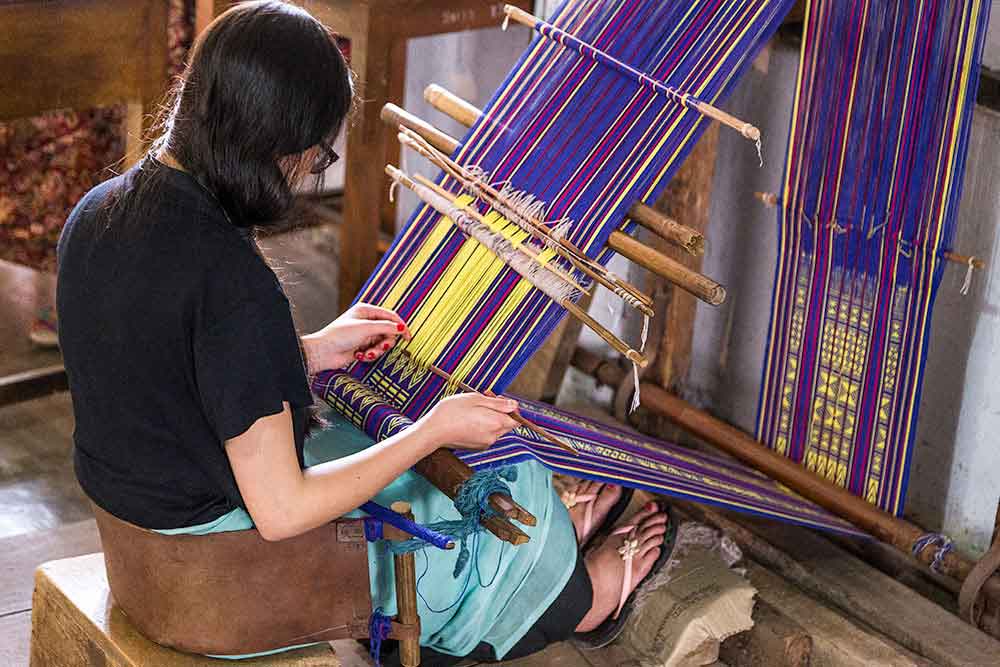
Image Source: Spaindustrialdesign.wordpress.com
Woven by the indigenous Lepcha community, this textile is known for its minimalistic patterns, earthy tones, and lightweight structure, making it ideal for humid mountain climates. The weave allows airflow while offering protection from sudden temperature drops common in the Eastern Himalayas. Traditionally woven on backstrap looms, Lepcha textiles are deeply tied to community rituals, oral traditions, and ecological harmony.
3. Eri Silk, Assam & Meghalaya

Image Source: Thesilkchamber.com
Often called ‘peace silk,’ Eri silk is produced without killing the silkworm, making it one of India’s most ethical textiles. Eri is naturally thermo-regulating, which means it’s warm in winter, breathable in summer, making it ideal for hilly regions with unpredictable weather. Primarily woven by women in Assam and Meghalaya, Eri silk plays a vital role in household economies and sustainable livelihoods.
4. Apatani Handloom, Arunachal Pradesh
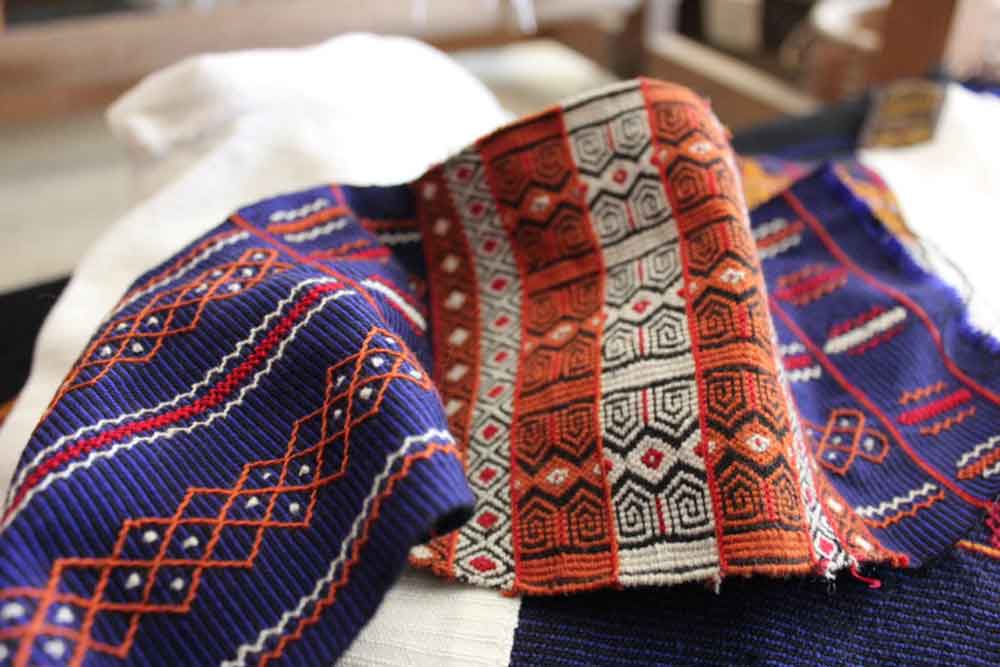
Image Source: Behance/Rink Sambhani
Apatani textiles are usually used to make Supung and Jig-Jiro are finely woven cotton fabrics featuring restrained patterns and earthy tones. These textiles are engineered for comfort in the cool, high-altitude Ziro Valley and are deeply tied to Apatani identity, festivals, and sustainable farming traditions.
5. Nambu, Ladakh
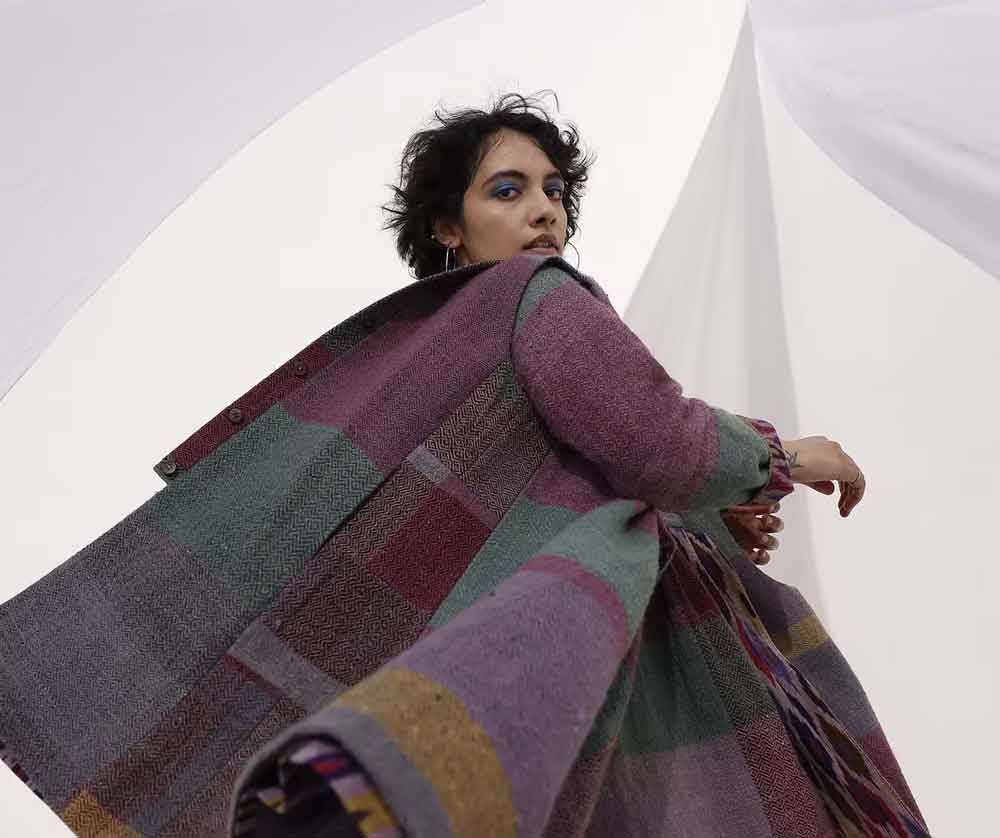
Image Source: 2112saldon.com
Nambu is a traditional woollen fabric from Ladakh, made primarily from the wool of indigenous sheep. It is hand-woven into a sturdy cloth that is highly durable and excellent at providing warmth, making it ideal for the region’s harsh, cold climate. Nambu has been used for generations to craft essential traditional garments such as long robes (gonchas), jackets, caps, and other winter clothing, serving both practical and cultural roles in everyday life.