Choosing the brand with ‘Made in India’ on the label over the imported alternative makes conscious shopping seem rather straightforward. The logic makes intuitive sense because buying Indian does reduce shipping miles, keeps money within the domestic economy and does, in many cases, support the artisans, weavers and makers. But ‘Made in India’ is a label that tells you where something was assembled. It does not tell you how, by whom or under what conditions. And the gap between those two things is where most of the ethical questions in fashion actually live.
What The Label Actually Tells You
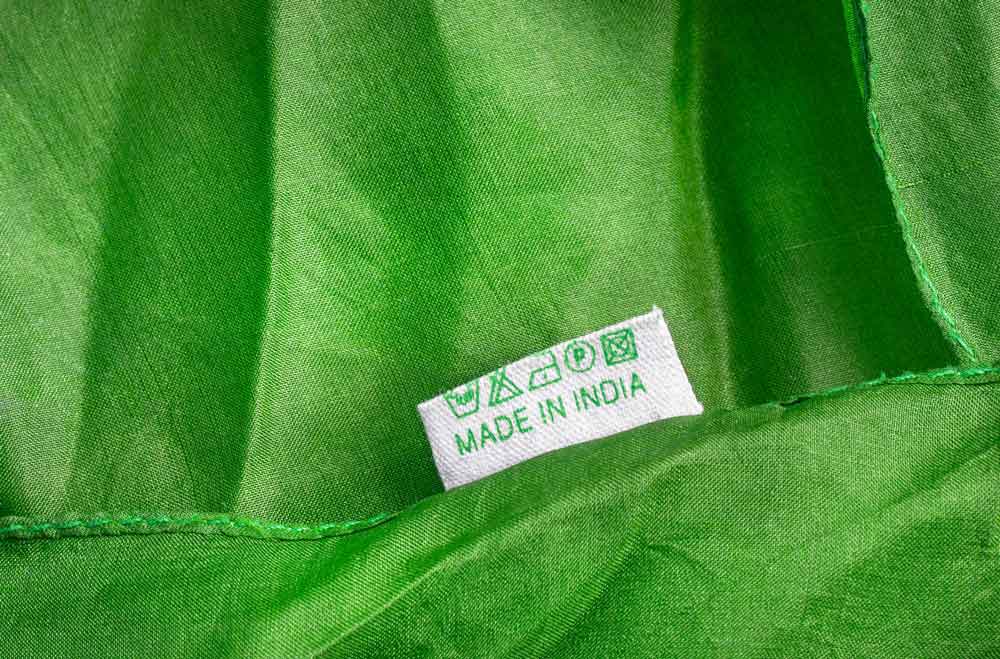
A country-of-origin label is, in most cases, a record of where the final stage of production took place. It does not tell you about the subcontractors behind that production or the smaller workshops, home-based workers and informal units that frequently do the actual cutting, stitching or finishing work further down the supply chain. It does not tell you about the raw materials - where the cotton was grown, whether the dyes used were azo-free, whether the fabric was treated with PFAS or formaldehyde finishes. It also leaves out any information about the wages of the workers who made it, the safety of the environment they worked in or whether they had any labour protections at all.
India’s garment and textile industry is one of the largest in the world and it operates across an enormous range of conditions. At one end are ethical producers, artisan cooperatives, certified manufacturers and brands with transparent supply chains and verified labour standards. At the other end you’ll find factories and informal production units where workers are paid piece-rate wages that frequently fall below minimum wage, where subcontracting is used to distance brands from accountability, where chemical exposure happens without safety equipment and where workers (many of them women) have little recourse when conditions are unsafe.
Both of these exist within the same ‘Made in India’ label. The label cannot distinguish between them.
What Ethical Actually Requires
Ethical production is a concept beyond location. It includes paying fair wages that actually meet or exceed minimum wage requirements, paid on time, without deductions that are used as control mechanisms.
Another part of ethical production is safe working conditions that include adequate ventilation, fire exits, no forced overtime, no physical or verbal abuse.
Supply chain transparency, which is also an important pillar of ethical production requires a brand to specifically tell you who made its clothes and under what conditions.
Environmental responsibility means knowing what chemicals went into the fabric and the dyeing process, how wastewater was treated, whether the production process met any verifiable environmental standard.
And all of this has to extend beyond the direct supplier to the subcontractors, the fabric mills and the raw material producers.
The Certifications Worth Looking For
In the absence of comprehensive regulation that would make all of this visible by default, certifications offer the most reliable signal available to consumers trying to make genuinely informed choices.
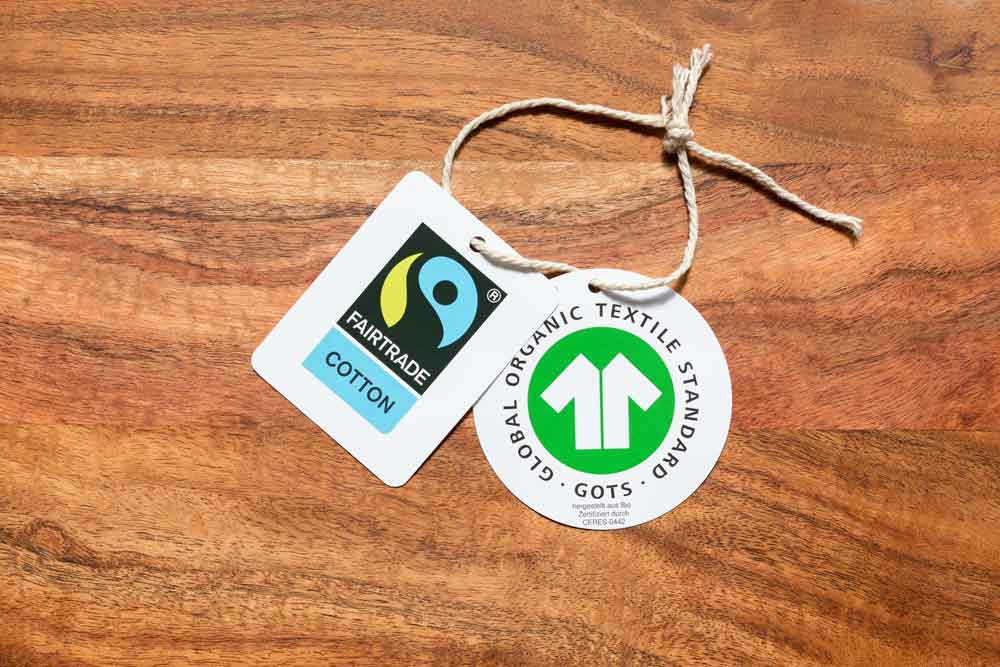
GOTS or the Global Organic Textile Standard covers both the organic status of fibres and the social conditions of production at every stage of the supply chain.
OEKO-TEX Standard 100 certifies that a textile has been tested for harmful substances.
Fair Trade certification indicates that producers have met standards around wages, working conditions and community investment.
SA8000 is a social accountability standard that covers labour rights, health and safety and management systems.
Beyond certifications, a few other signals are worth looking for. Brands that name their artisan clusters and production partners, supplier lists, details on wages, and who their subcontractors are.
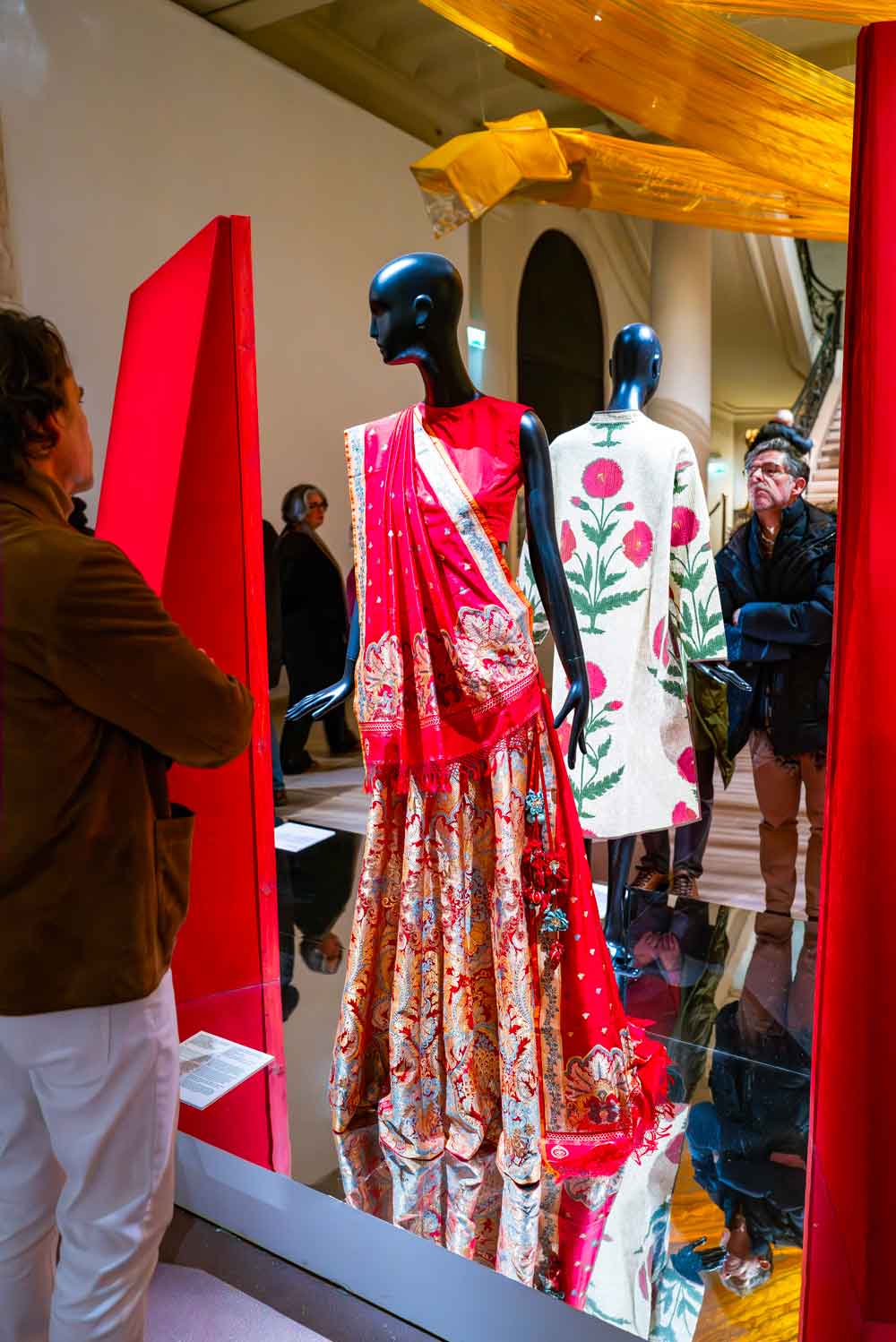
Buying Indian is a great way to support the domestic industry, artisan communities and homegrown brands. But it’s important to know brands that along with being local, are also adhering to the other aspects of ethical production.