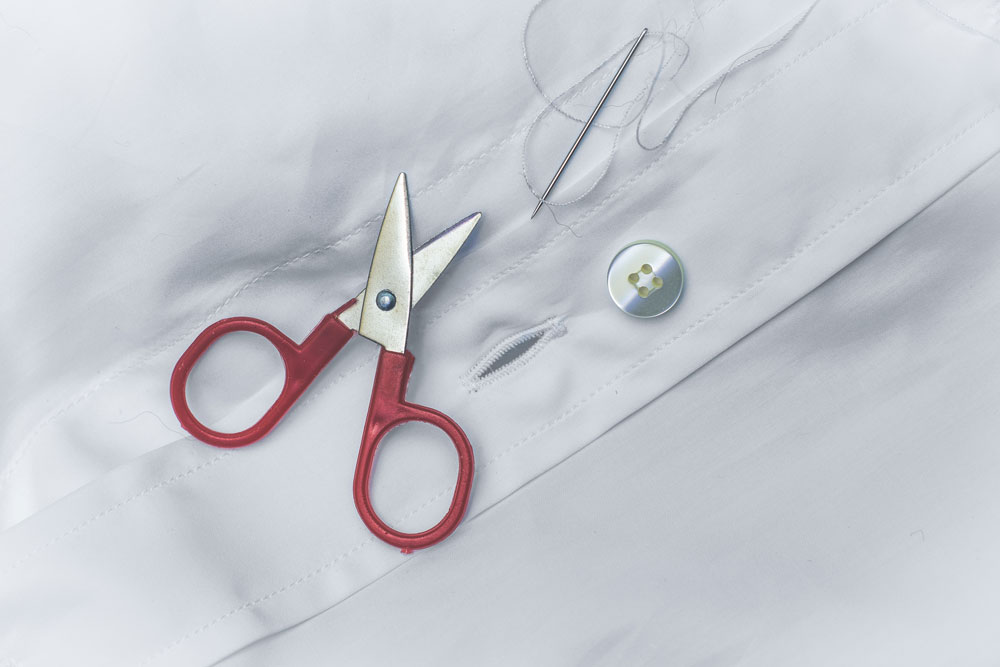
Ever stood in front of a growing ‘donate’ pile, convincing yourself you’ve outgrown those clothes, when, in reality, most of them just need a little attention? A missing button, a faded black tee, a slightly stretched knit- what if we told you these are not completely unwearable but totally fixable.
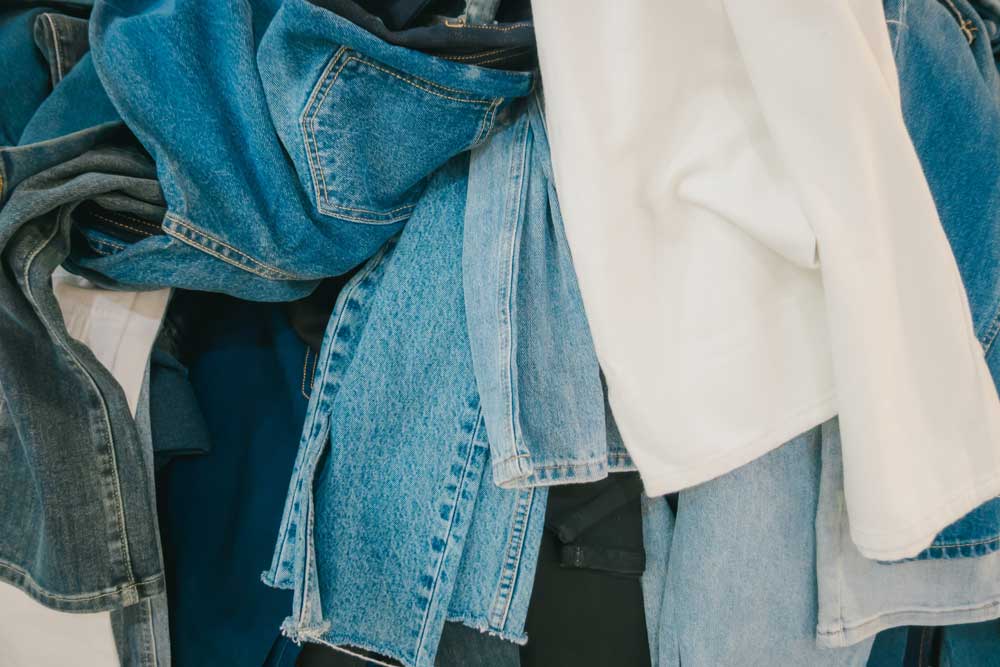
In a culture that rewards constant newness, repairing clothes can feel like effort. But in practice, it’s one of the easiest ways to build sustainable fashion habits that actually stick. Extending the life of what you already own doesn’t require a complete lifestyle overhaul, instead just a few small, intentional fixes.
Easy Fixes You Can Do At Home
You don’t need to be good at ‘DIY’ to start. Most clothing repair tips are surprisingly low-effort and once you begin, they quickly become second nature.
1. Replace Missing Buttons
A missing button is one of the most common reasons clothes get side-lined. Keep a small kit at home that includes a few needle, thread and spare buttons and fix it the moment you notice. It’s a five-minute task that can bring a shirt or dress straight back into rotation.
2. Fix Loose Seams Before They Become Tears
That tiny opening at the hem or under the arm? It won’t stay small for long. A quick hand stitch can stop further damage and save you from a much bigger repair later.
3. De-Pill Your Knits
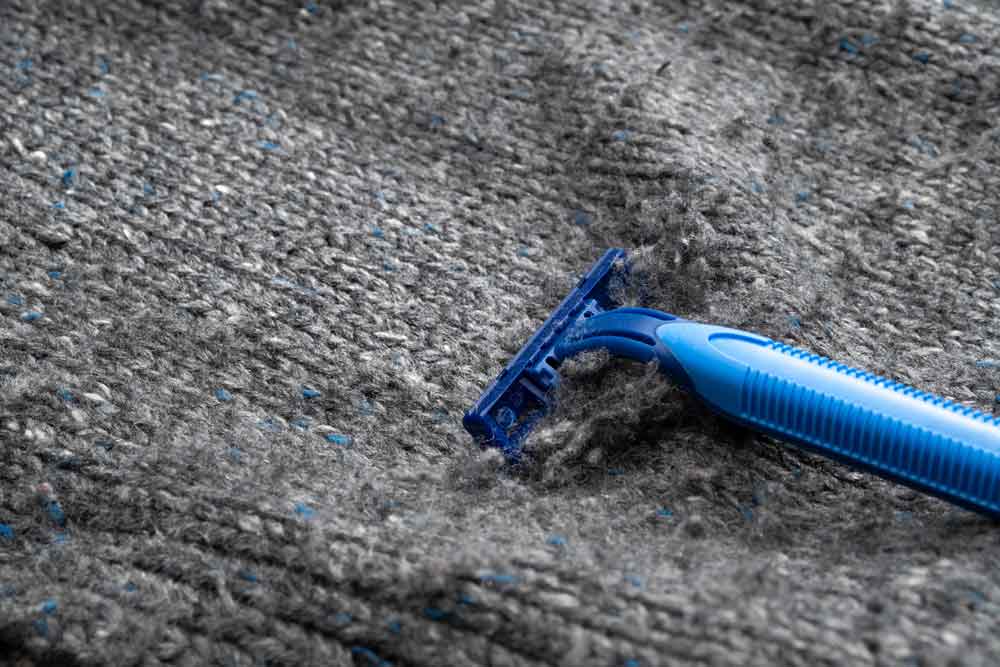
If your sweaters or t-shirts look worn out, pilling is likely the culprit and not poor quality. Use a fabric shaver or even a basic razor to gently remove pills. This simple act of de-pilling knits can instantly make old pieces look new again.
4. Rescue Stretched-Out Fits
Loose necklines or slightly misshapen tees don’t always need to be discarded. A warm wash followed by air drying can help cotton pieces regain some structure. For more significant changes, basic alterations (like tightening straps or taking in sides) can make a piece wearable again.
5. Revisit ‘Almost Right’ Pieces
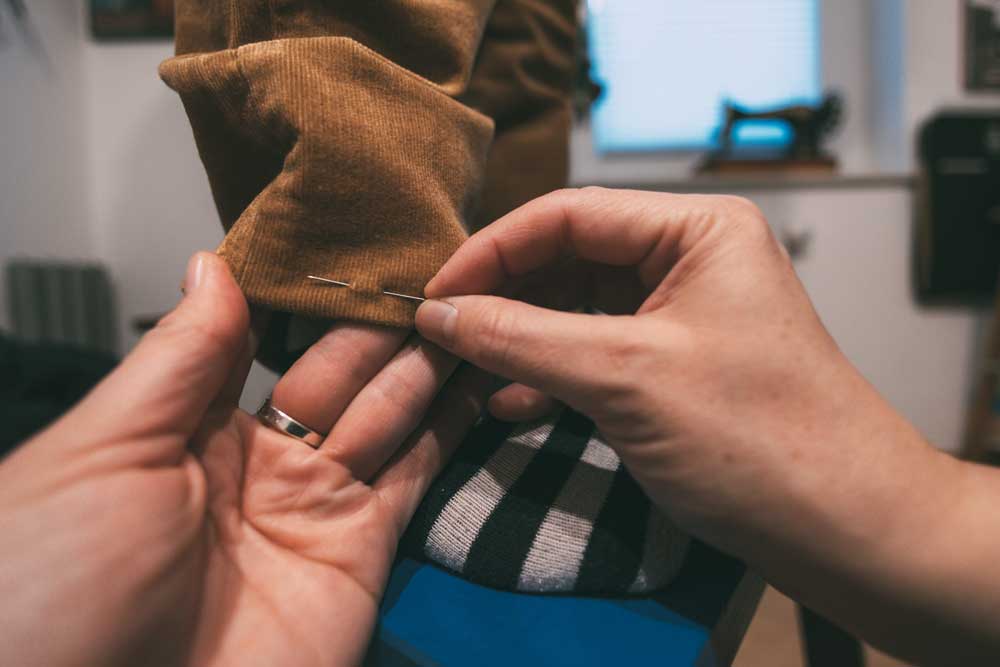
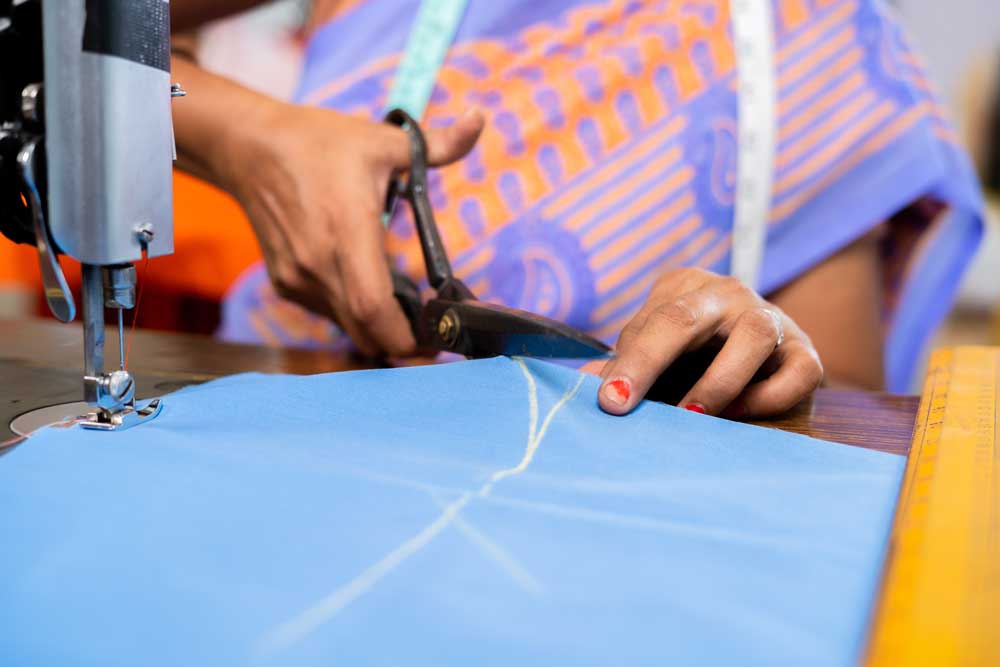
We all own clothes that are almost perfect but maybe just slightly long, slightly loose or slightly tight. These are the best candidates for small tweaks. A quick visit to a local tailor can turn these around pretty quickly.
6. Colour Refresh: The Shortcut To Making Clothes Feel New
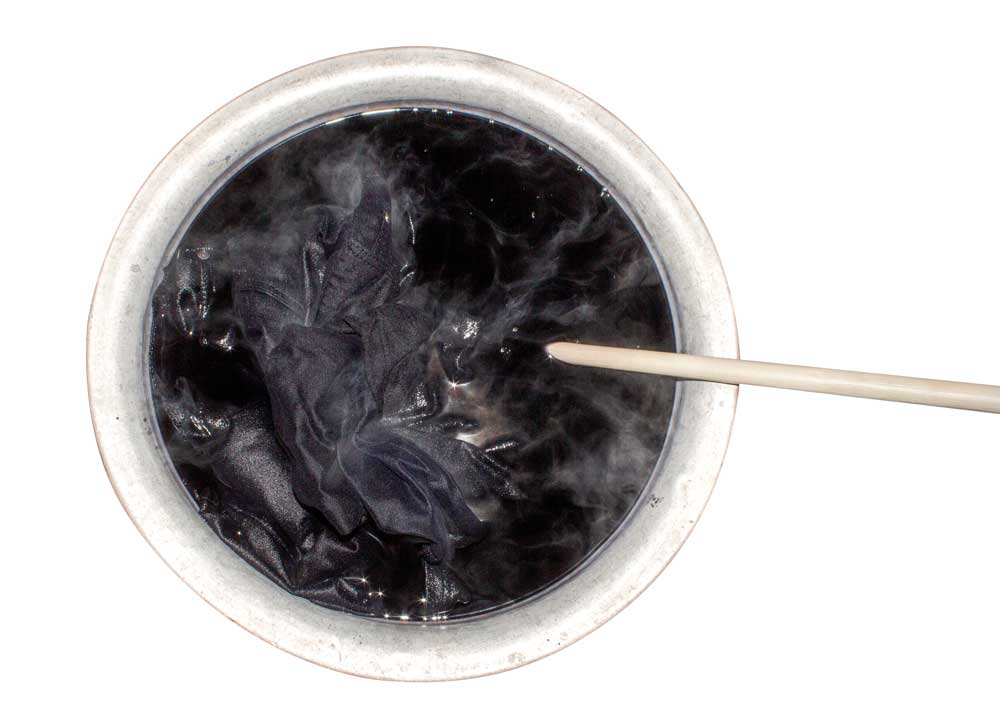
Fading is one of the biggest reasons we stop reaching for certain pieces, especially blacks or darker tones, which tend to lose depth over time. Instead of discarding a dull black shirt or pair of trousers, try fabric dye. Learning how to dye black clothes at home is simpler than it sounds and the result is immediate. Even non-black pieces can benefit from colour revival. Fabric dyes and tints can deepen tones, even out patchiness, and extend the life of your favourites.
When To Repair And When To Let Go
Not everything needs to be saved, and knowing the difference is part of mindful consumption.
Repair If:
• The fabric is still strong
• The fit works (or can be adjusted)
• It’s something you genuinely enjoy wearing

Let Go If:
• The fabric has thinned beyond repair
• It’s uncomfortable or doesn’t suit your lifestyle anymore
• You’ve tried to wear it multiple times but never reach for it
The goal isn’t to hold onto everything but to be more intentional about what you keep, fix, and release.