The internet is flooded with cat videos, gifs and memes, and pet parents proudly introducing their feline overlords to the world. Cats, it seems, have gone from misunderstood house pets to full-fledged celebrities with millions of followers, brand collaborations and fan clubs.
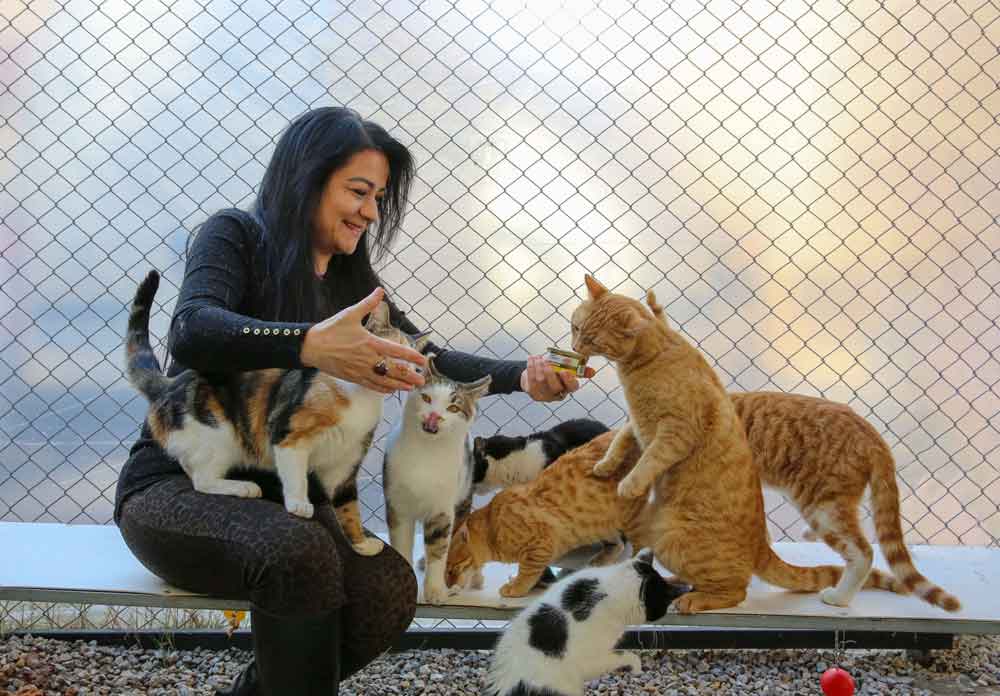
But the women who love them haven't been quite as lucky. Somewhere between folklore, pop culture and outdated gender roles, society invented the ‘crazy cat lady’. It is a stereotype that has survived for decades, repeated so casually that it often passes as harmless humour.
Except, it was never really about the cats. It has always been about women who dared to look perfectly happy outside the life society had planned for them.
The Cats Were Never The Problem
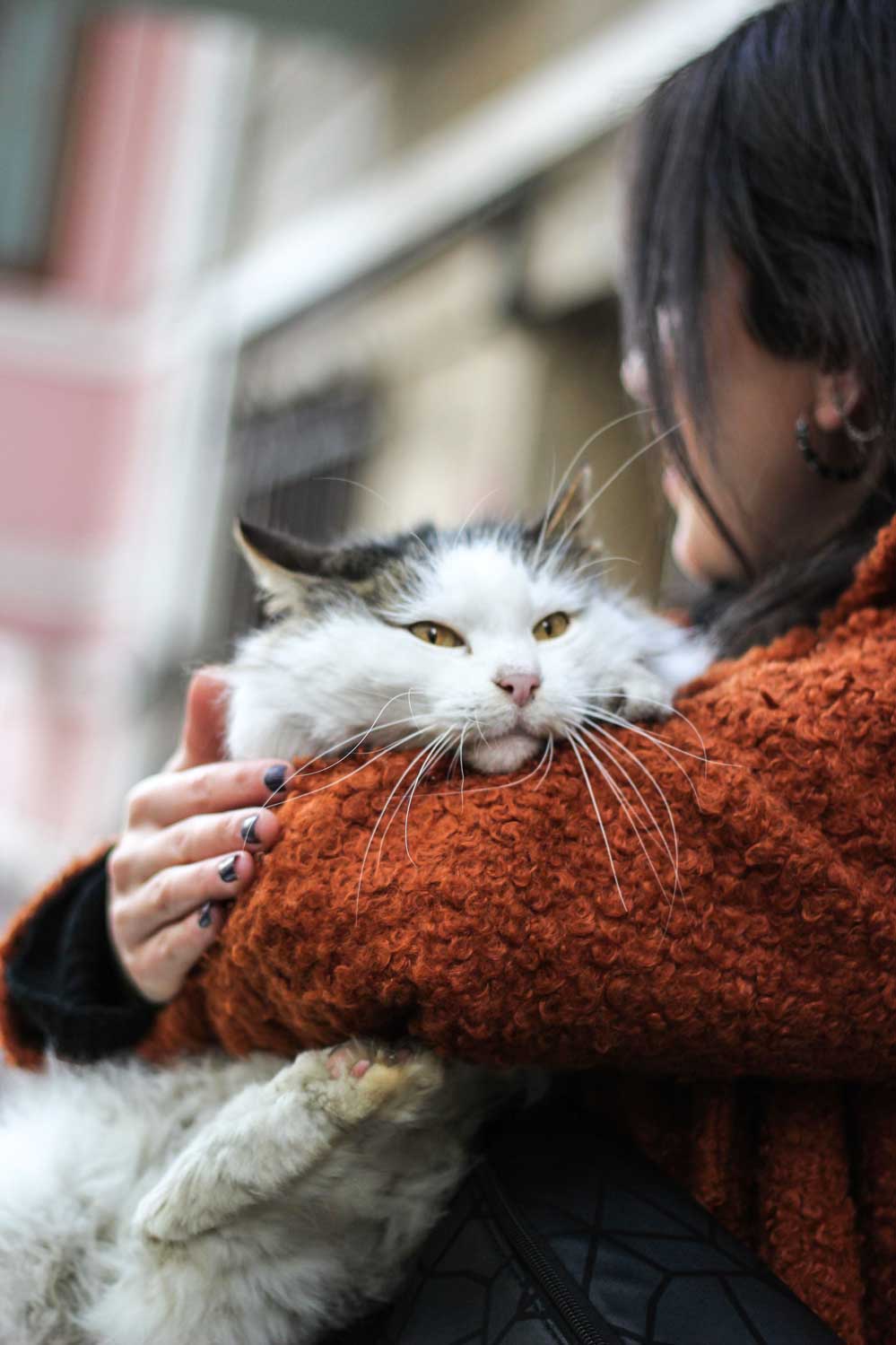
The phrase ‘crazy cat lady’ has long been reserved for a very specific type of woman, one who is single, divorced, widowed, child-free or simply living independently. It suggests that if a woman doesn't find fulfilment in marriage or motherhood, she must be compensating with pets. The cats become less of a hobby and more of a punchline.
What's particularly telling is that there has never been an equally famous male equivalent. Men with multiple dogs are ‘dog dads’. Men who rescue cats are compassionate or quirky. A bachelor with three Labradors is seen as outdoorsy. A woman with three rescue cats? Suddenly people start wondering if she's ‘given up.’
The double standard tells us everything we need to know. The stereotype has never been about the number of pets someone owns. It's about policing women who don't fit into a conventional life script.
A Stereotype That's Older Than You Think
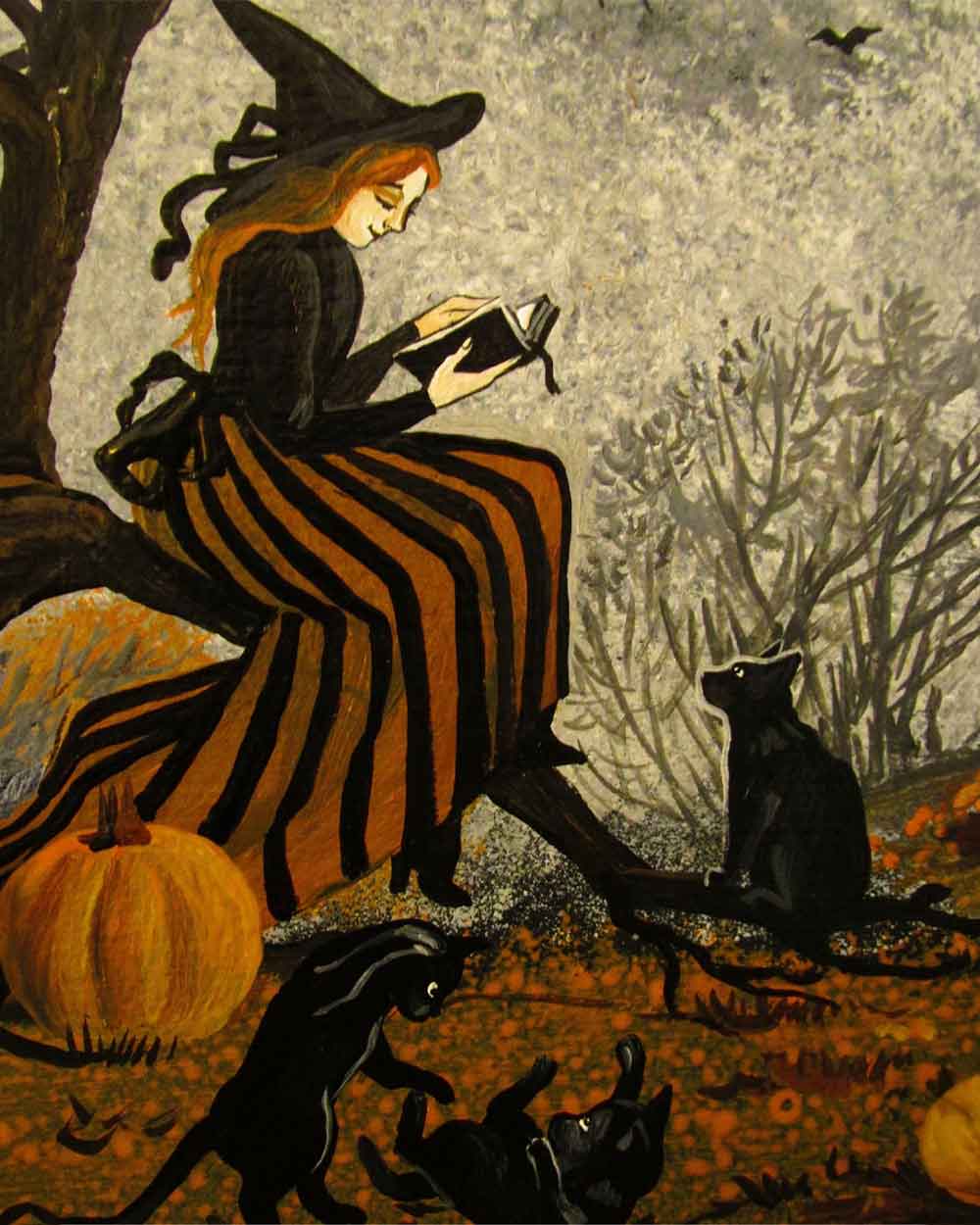
The origins of the ‘crazy cat lady’ trope can be traced back centuries to medieval Europe, where older women who lived alone often kept cats for companionship and to keep rodents at bay. During the witch hunts between the 15th and 17th centuries, these women and their cats became objects of suspicion. Cats, particularly black ones, were believed to be supernatural creatures that supposedly aided witches in casting spells.
History has a funny way of changing the details but keeping the prejudice intact.
Society stopped accusing women with cats of witchcraft. Instead, it started accusing them of loneliness.
By the twentieth century, films, television and tabloids had perfected the image of the eccentric, unmarried woman whose growing collection of cats symbolised a life gone wrong.
Perhaps no character cemented this image more than Eleanor Abernathy from The Simpsons, Springfield's permanently frazzled resident who wandered the streets throwing cats at unsuspecting passers-by.
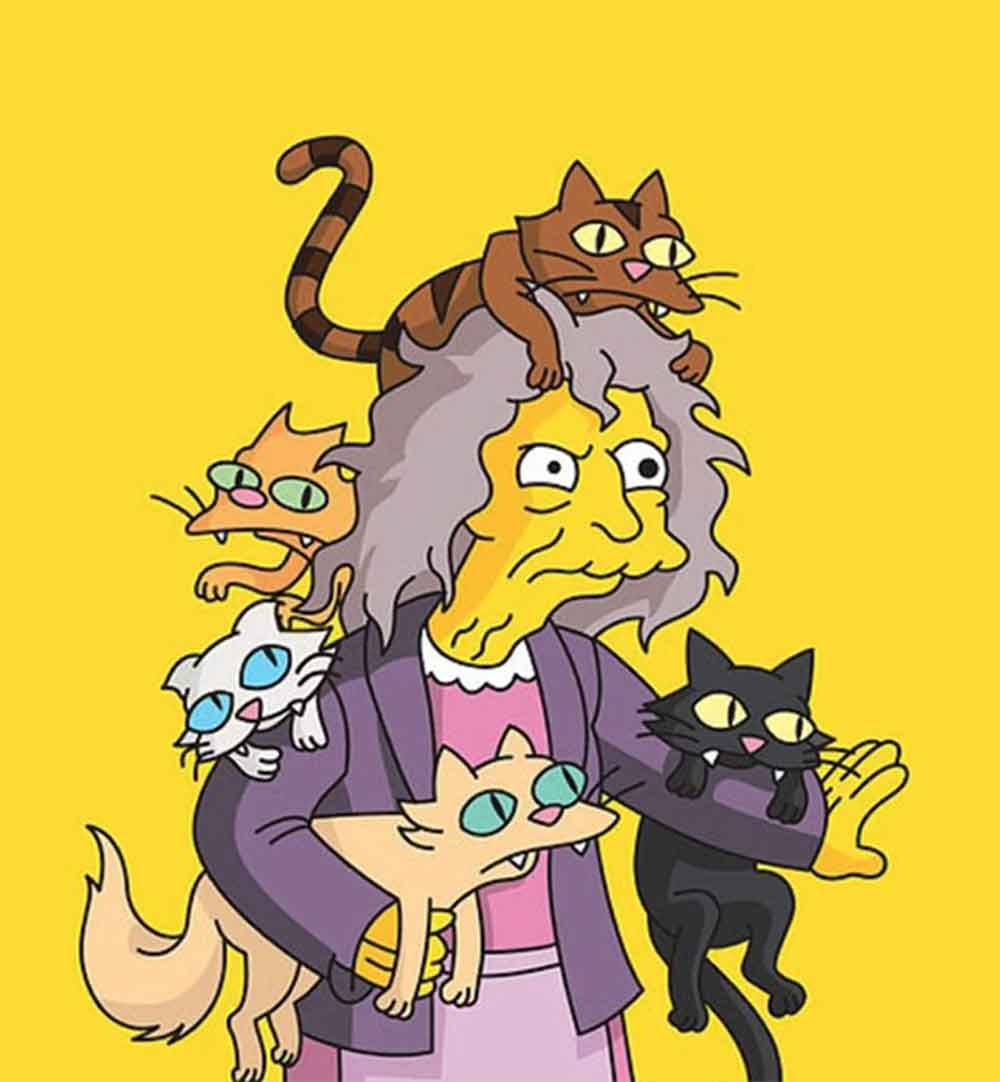
She was funny. The stereotype she reinforced wasn't.
Soon, the phrase escaped television and entered everyday conversation.
Didn't marry by thirty-five? Crazy cat lady.
Adopted another rescue? Crazy cat lady.
Prefer spending a Friday night with your pet instead of another disappointing dating app experience? Definitely crazy cat lady.
Somehow, giving abandoned animals a loving home became evidence that something was wrong with you.
Reality Looks Very Different
The problem with stereotypes is that they rarely survive contact with facts.
One of the biggest assumptions behind the ‘crazy cat lady’ trope is that women who own cats must be lonely, depressed or emotionally unstable. Research tells a different story. A study published in the journal Personality and Individual Differences found no evidence that cat owners experience poorer mental health than people who don't own cats. Other studies examining the stereotype have reached similar conclusions, challenging the long-held assumption that cat ownership says anything meaningful about someone's psychological wellbeing.
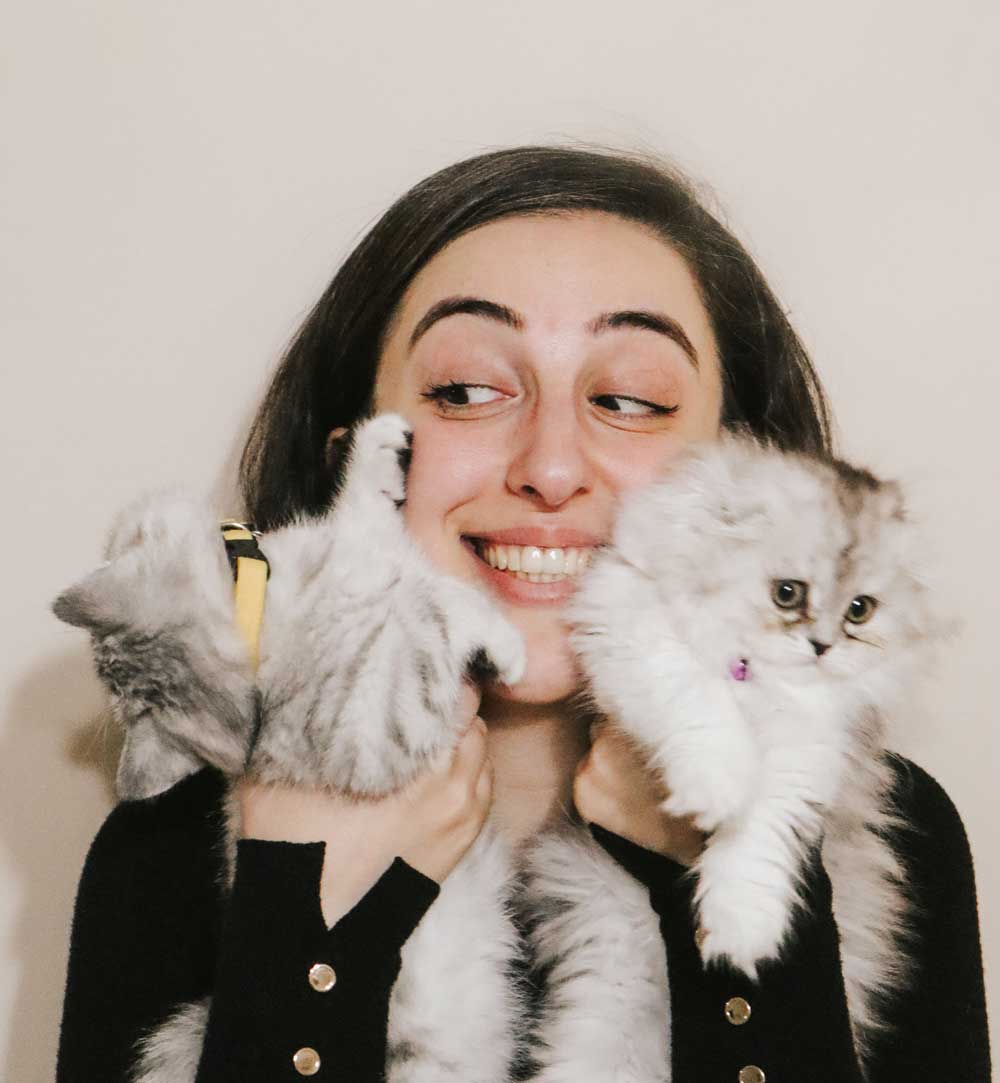
In other words, owning three cats is not a clinical diagnosis. Judging someone because they own three cats, however, might say a little more about us. The stereotype also feels increasingly out of step with reality.
According to Grand View Research, India's pet care market was valued at approximately USD 3.6 billion in 2024 and is projected to grow at nearly 14 per cent CAGR over the coming years. Research by RedSeer Strategy Consultants shows that millennials and Gen Z are driving much of this growth, spending more on pet healthcare, premium food, grooming and insurance than previous generations.
The shift isn't just economic.
It's emotional.
Increasingly, Indians don't see pets as companions.
They see them as family.
More Than Just Pets
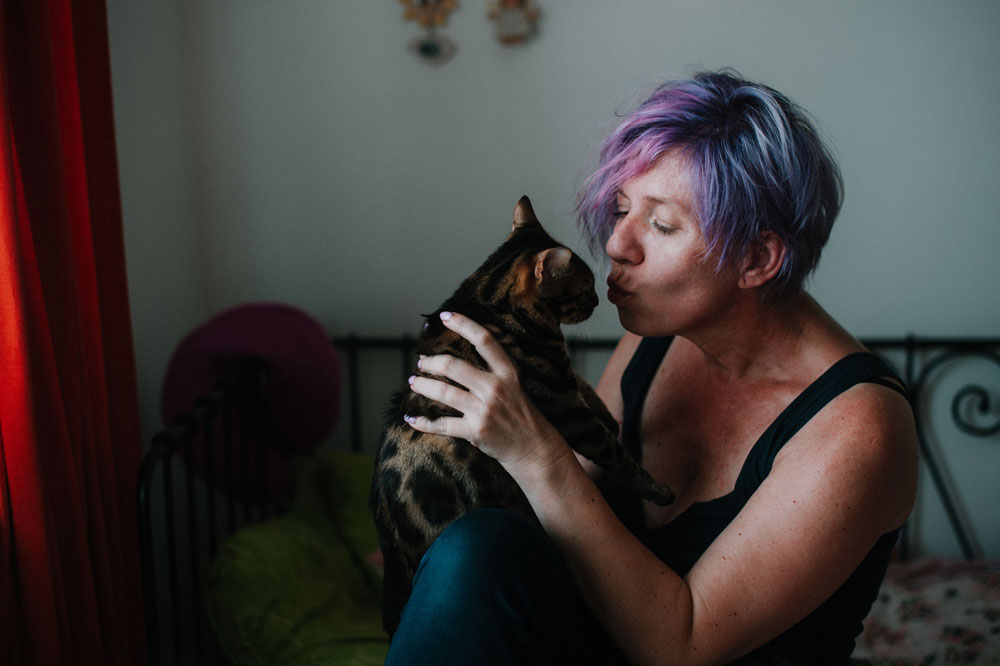
For Reema, 41, who lives by herself with her two cats, the stereotype couldn't be further from reality. ’People assume my cats are a substitute for a partner. They're not. They're family. No matter how exhausting my day has been, I know they're waiting for me when I get home. They don't care if I had a bad meeting or a bad day. They're my comfort place, my routine and honestly, some of the best company I've ever had.’ She laughs when people jokingly refer to her as a ‘crazy cat lady’.
’If loving the two little creatures who make my house feel like home makes me a crazy cat lady, I'll wear the title proudly.’
For 23-year-old Pankhuri, who is pursuing her PhD, her cat has become an unexpected companion through the often-solitary experience of academic research. ’Research can get incredibly isolating. There are days when I'm buried in papers for hours and barely speak to anyone. Having my cat around changes the energy completely. Sometimes she just curls up beside my laptop while I work, and somehow the day feels less lonely.’ The jokes have already started, she says. ’People have told me I'll become a crazy cat lady and I just laugh. Nobody says that to my male friends who have pets. My cat isn't replacing anything in my life. She's simply part of it.’
Perhaps that's what's changing. For a younger generation, pets aren't stand-ins for relationships.
They are relationships in their own right.
Maybe Society Is More Uncomfortable Than The Cats
Sociologists have long argued that stereotypes reveal more about society than the people they're aimed at. For generations, women were expected to follow a fairly predictable roadmap: study, marry, have children and devote themselves to caring for others. A woman who happily chooses a different path quietly challenges those expectations.
If she's genuinely fulfilled without marriage…
If she doesn't feel incomplete without children…
If she has meaningful friendships, a successful career and a cat who insists on walking across her laptop during every Zoom meeting…
Was the script ever mandatory in the first place?
Maybe that's why the joke refuses to die.
Not because women have cats.
But because women continue to prove that happiness doesn't come in one prescribed format.
Reclaiming The Narrative
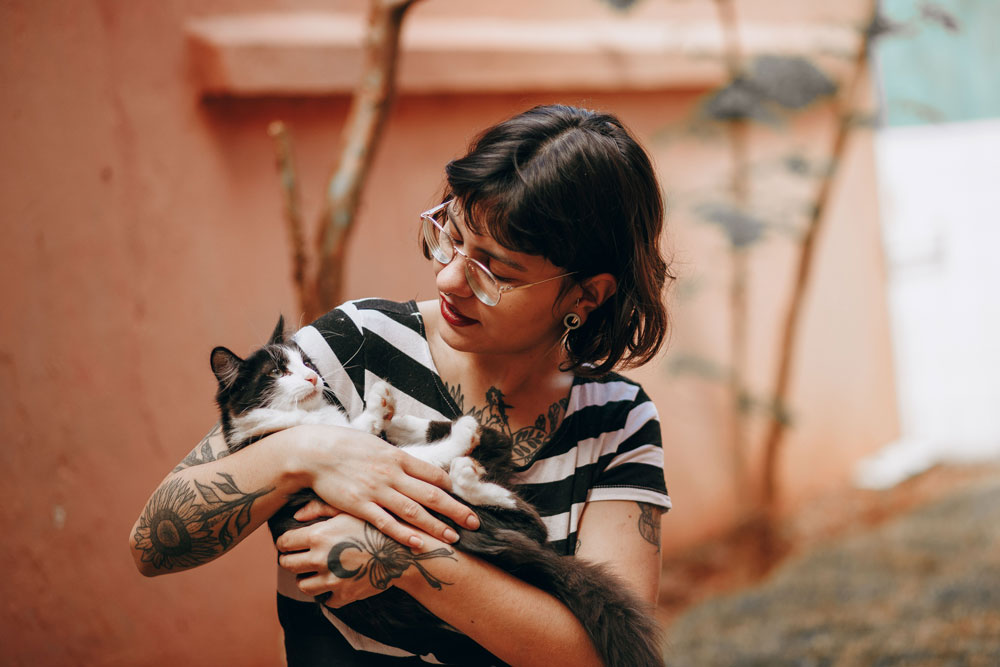
Thankfully, the internet has become remarkably good at reclaiming labels that were once intended as insults. Across Instagram and TikTok, thousands of women proudly call themselves cat mums. They celebrate adoption anniversaries, share rescue stories, throw birthday parties for their pets and post endless photos of cats who behave like tiny, furry landlords demanding rent in treats.
Maybe It's Time To Retire The Label
Reema comes home every evening to two cats who wait patiently for her at the door. Pankhuri finds quiet companionship while navigating the long, often lonely journey of a PhD. Their lives look different. Their reasons for becoming cat parents are different. But neither fits the caricature the phrase ‘crazy cat lady’ has spent decades trying to create.
Perhaps the real question this International Cat Day isn't why a woman has so many cats.
It's why a woman without a partner still makes people so uncomfortable.
Because a woman with a thriving career, meaningful friendships, financial independence and two rescue cats isn't missing anything. Neither is a young researcher whose cat curls up beside her while she writes her thesis.
They're simply living lives they've chosen.
And if that still earns them the label ‘crazy cat lady’, perhaps it's the stereotype not the women that deserves to be left in the litter box.