For millions of Indian women, digital banking has been nothing short of transformative. From paying utility bills and transferring money to managing household budgets and running small businesses, smartphones have become powerful financial tools. Digital payments have made banking faster, easier, and more accessible than ever before. But as digital adoption has grown, so have online scams. Phishing calls, fake customer care numbers, OTP fraud, QR code scams, and social engineering tricks have increasingly targeted new users, particularly women who may be less familiar with the warning signs. Elderly women, first-time smartphone users, homemakers, and women in rural India are especially vulnerable.
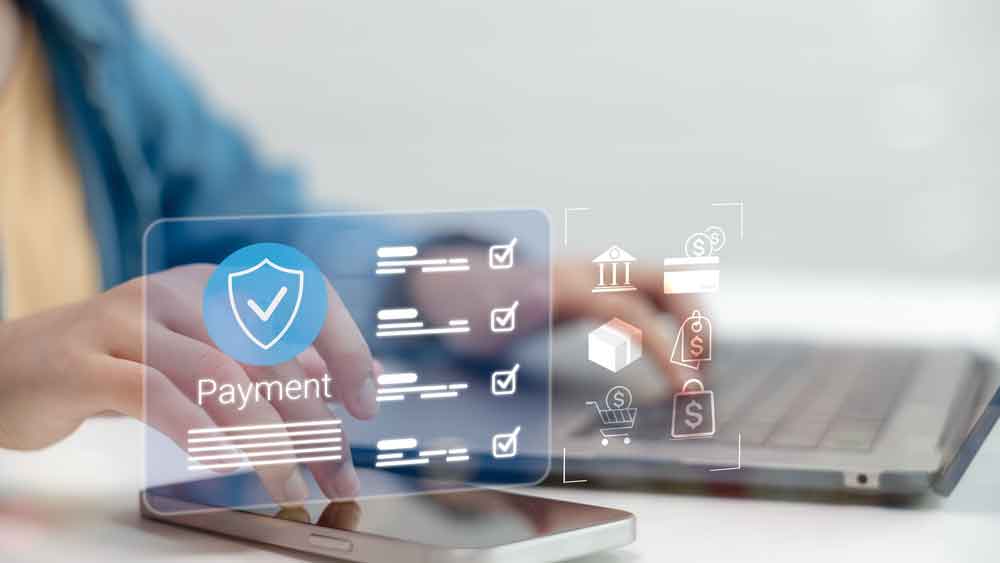
That’s why the Reserve Bank of India’s new digital security framework is such an important step forward. From April 1, 2026, all digital payments in India including UPI, debit and credit card transactions, net banking, and mobile wallet payments must be authenticated using at least two independent factors. In simple terms, one-time passwords (OTPs) alone are no longer enough. Every transaction now requires an added layer of security, such as a PIN, password, biometric verification, or a secure device token. This may add a few extra seconds to each transaction, but it offers significantly stronger protection against fraud and greater peace of mind.
What Exactly Is Two-Factor Authentication?
Two-factor authentication, or 2FA, is a security process that requires two separate forms of identity verification before a transaction can be completed. It could mean an OTP with a UPI PIN, or a password with a fingerprint, or card details with biometric authentication. Think of it as a double lock on your financial door. Even if a fraudster manages to access one piece of information, they still cannot complete the transaction without the second verification factor. This dramatically reduces the chances of unauthorised access or withdrawals.

Why This Matters Especially for Women
Women are increasingly taking charge of their finances, whether that means investing, paying bills, saving for goals, or running businesses. Yet many are also first-generation digital users, learning to navigate online banking for the first time. For them, stronger security measures can be empowering. 2FA creates a safer environment for women to bank independently. It reduces the fear of something going wrong and builds confidence in using digital financial tools.
This is particularly significant for homemakers managing family finances, women entrepreneurs handling online payments, elderly women unfamiliar with digital fraud tactics, and rural women entering the formal financial system for the first time. In many ways, digital security is not just about protecting money but also creating independence.
How 2FA Helps Prevent Common Scams
Many online frauds rely on tricking users into sharing a single piece of information, usually an OTP. A scammer may pretend to be a bank official, claim your account has been blocked and ask for your OTP to verify your identity. Phishing links can also be used to steal login credentials. Under the new rules, even if an OTP is compromised, the transaction still cannot proceed without the second authentication factor, such as your PIN or biometric approval.
India’s growing community of women-led small businesses depends heavily on digital payments. Whether it’s a home baker, boutique owner, tutor, freelancer, or artisan, secure transactions are essential. Stronger authentication helps protect business earnings, reduce fraud-related losses, build trust with customers and enable smoother digital operations. For women entrepreneurs, digital safety is directly linked to financial stability and business growth.
Other Important Digital Safety Upgrades
The RBI’s 2FA mandate is part of a broader push toward safer digital banking. Here are some additional protections users should know about:
Risk-Based Authentication: Banks can now apply extra verification for unusual transactions such as payments from a new device, a new location, or unusually high-value transfers. Routine transactions on trusted devices may remain quick and seamless, while suspicious activity triggers additional checks.
Greater Bank Accountability: If fraud occurs due to security lapses on the bank’s or payment platform’s side, institutions may be required to compensate affected customers. This places greater responsibility on financial institutions to maintain robust security systems.
Better Fraud Resolution Mechanisms: The updated framework also pushes for faster complaint handling and more efficient fraud redressal. This is especially important for vulnerable users who may otherwise feel overwhelmed by complex reporting processes.
Biometric Authentication: Many payment apps now support fingerprint or facial recognition. Biometrics offer both convenience and security, especially for users who struggle with remembering passwords. For elderly women or those less comfortable typing PINs, this can be a game-changer.
Essential Digital Safety Tips Every Woman Should Follow
While technology is improving, awareness remains your first line of defence. Never Share Your OTP or PIN since no bank, RBI official, or payment app representative will ever ask for your OTP, PIN, CVV, or password. Verify before you click and avoid clicking on unknown links sent via SMS, email, or WhatsApp. Download banking and payment apps only from trusted app stores. Enable app lock and biometrics since an extra layer of security on your phone can prevent misuse if your device is lost. Always read SMS and app notifications carefully and report unauthorised activity immediately. Security updates help protect you from newly discovered threats.
Digital payments have opened new doors for women across India. They have made banking more accessible, enabled entrepreneurship, and supported financial independence. But inclusion also requires safety along with access. With mandatory two-factor authentication and stronger consumer protections, India is taking an important step toward a more secure digital future. For women everywhere, from urban professionals to rural entrepreneurs, this is welcome news.