For millions of women, financial dependence isn't just about income, but also about choice. The ability to buy medicines without asking for cash, pay a child's school fee or recharge a mobile phone often depends on someone else's approval. That is why Delhi's newly launched Lakshmi Yojana has generated such widespread interest.
The Delhi government officially opened registrations for the scheme on August 1 through its dedicated online portal, promising eligible women a monthly financial assistance of ₹2,500 deposited directly into their bank accounts after verification. The first instalments are expected to be released around Raksha Bandhan, marking the rollout of one of the capital's biggest social welfare initiatives for women.
While debates around cash transfer schemes are nothing new, there is one aspect of the Lakshmi Yojana that deserves closer attention. The money will go directly to the woman herself and that could have a positive impact on her everyday life.
What Is The Delhi Lakshmi Yojana?
The scheme aims to provide financial assistance to economically weaker women residing in Delhi. The government has allocated over ₹5,100 crore for the programme in 2026-27 and estimates that around 17 lakh women could benefit. Eligible beneficiaries will receive ₹2,500 every month through Direct Benefit Transfer (DBT), ensuring the money reaches their own bank accounts.
Applications are now being accepted online through the official portal, reducing paperwork and making the process more transparent. Applicants are required to upload supporting documents and complete verification before benefits are released. According to current guidelines, documents include identity and residence proof, income-related documents, bank account details, and a recommendation letter from the applicant's local MLA or MP.
Who Is Eligible?
The Delhi government has laid down several conditions to ensure the benefit reaches economically vulnerable women. Applicants must:
- Be women aged between 21 and 60 years.
- Have been residents of Delhi for at least 10 years.
- Belong to a family with an annual income not exceeding ₹2.5 lakh.
- Have no criminal record, with a self-declaration required during the application process.
- Ensure that only one eligible woman from a family applies under the scheme.
Women or families that do not meet these criteria are not eligible. The government has indicated that applications will undergo verification before approval.
More Than A Welfare Payment
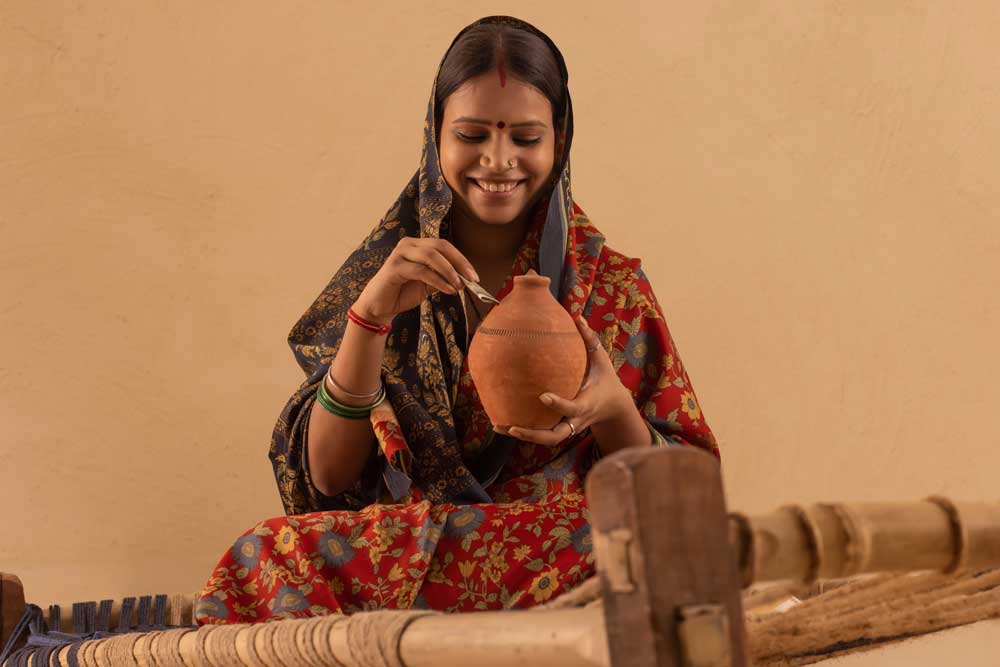
The proposed amount of ₹2,500 may not seem like a life-changing one in a city as expensive as Delhi, but for many women, it represents control. Across India, countless homemakers, elderly women, widow, and those outside the formal workforce manage households, care for children and elderly relatives, often stretching limited family budgets. They may have little or no personal income.
When every purchase requires asking a husband, son or another male family member for money, even small expenses can become difficult. Personal spending is often postponed, and healthcare, nutritious food or education-related expenses may take a back seat. A guaranteed monthly transfer into a woman's own account changes that. It gives her the ability to make everyday financial decisions independently. Whether she spends the money on groceries, medicines, a gas refill, a daughter's tuition, or saves part of it for emergencies, the decision rests with her.
Research on direct cash transfer programmes worldwide has consistently shown that when women control household resources, spending often prioritises children's education, nutrition and healthcare. While every family is different, giving women greater financial control tends to strengthen household resilience rather than weaken it.
The Power Of One’s Own Money
The psychological impact of personal income is often overlooked. For many women, receiving a bank notification showing ₹2,500 credited in their own name acknowledges their identity as independent financial participants rather than passive dependents.
Direct transfers also encourage greater financial inclusion. Women now have a reason to use bank accounts regularly. This can increase familiarity with digital banking, online payments, and savings, opening doors to broader financial participation over time. Direct transfers also reduce the chances of benefits being diverted before they reach the intended recipient. By linking payments to verified bank accounts, governments aim to minimise leakages and improve transparency.
Of course, cash assistance alone cannot solve structural challenges facing women. Some critics argue that long-term empowerment comes primarily through jobs and higher labour force participation rather than recurring cash support. Others see income support as an important safety net, particularly for women who are elderly, unpaid caregivers, or temporarily outside the workforce. The two approaches need not compete. Financial assistance can provide immediate relief while broader policies create pathways towards economic independence.