Have you ever looked in the mirror after a particularly hectic week and felt like your skin just looked... tired? You’re not imagining it. Just like your body, your skin can experience stress too, and it’s becoming increasingly common.
In today’s fast-paced world filled with late nights, screen time, pollution, and life’s endless to-do lists, many of us are unknowingly putting our skin under pressure. But what exactly is stressed skin? How can you tell if you have it? And more importantly, what can you do about it?
We spoke to Dr Kiran Sethi, skin expert and founder of Isya Aesthetics, to break it all down.
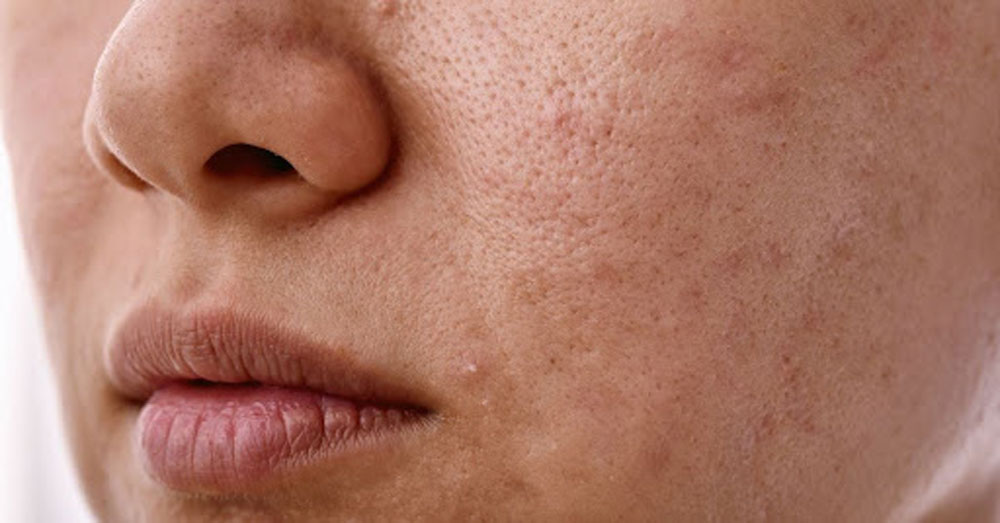
What is Stressed Skin?
In simple terms, stressed skin is when your skin shows visible signs of being out of balance due to internal or external stressors.
'Think of stressed skin as your skin’s way of waving a little white flag,' says Dr Kiran Sethi. 'When your skin is under pressure, it struggles to repair itself'and protect you from external damage. It can start to show signs like dullness, breakouts, sensitivity, and dryness.”
While everyday stress can take a toll, skin stress is also triggered by environmental factors like pollution, harsh weather, lack of sleep, unhealthy diets, and even using the wrong skincare products.
How Can You Tell If You Have Stressed Skin?
So, is your skin just having an off day, or is it actually stressed? Dr Kiran shares some key signs to watch out for:
1. Sudden Breakouts
'If your skin is normally clear but you’re suddenly dealing with spots or angry flare-ups, that can be a big indicator,' says Dr Kiran. Stress triggers the release of cortisol, a hormone that increases oil production and can lead to breakouts.
2. Dull, Tired-Looking Skin
'Stressed skin often loses its glow,' Dr Kiran explains. When stress affects your skin’s natural barrier, it struggles to retain moisture and oxygen, making it look lacklustre.
3. Increased Sensitivity
You might notice your usual products suddenly sting or cause redness. Dr Kiran points out, 'Your skin barrier weakens under stress, which means it becomes more reactive to things that wouldn’t normally bother it.'
4. Dryness and Dehydration
If your skin feels rough or flaky despite using moisturiser, it could be a sign of stress. 'The skin’s ability to retain water drops when it’s stressed, leading to dehydration,' says Dr Kiran.
5. Premature Ageing
Stress can speed up the ageing process. Fine lines, sagging, and uneven skin tone may appear earlier if your skin is consistently under strain.

Why Does Skin Get Stressed?
Dr Kiran explains, 'Our skin is a direct reflection of what’s happening inside our bodies. When we’re physically or emotionally stressed, our skin often takes the hit.'
Common causes of stressed skin include:
- Emotional stress and anxiety
- Lack of sleep
- Poor diet (think processed foods and excessive caffeine)
- Pollution and UV exposure
- Overloading your skin with too many active ingredients
- Hormonal imbalances
Even skipping your skincare routine or changing products too quickly can contribute to skin stress.
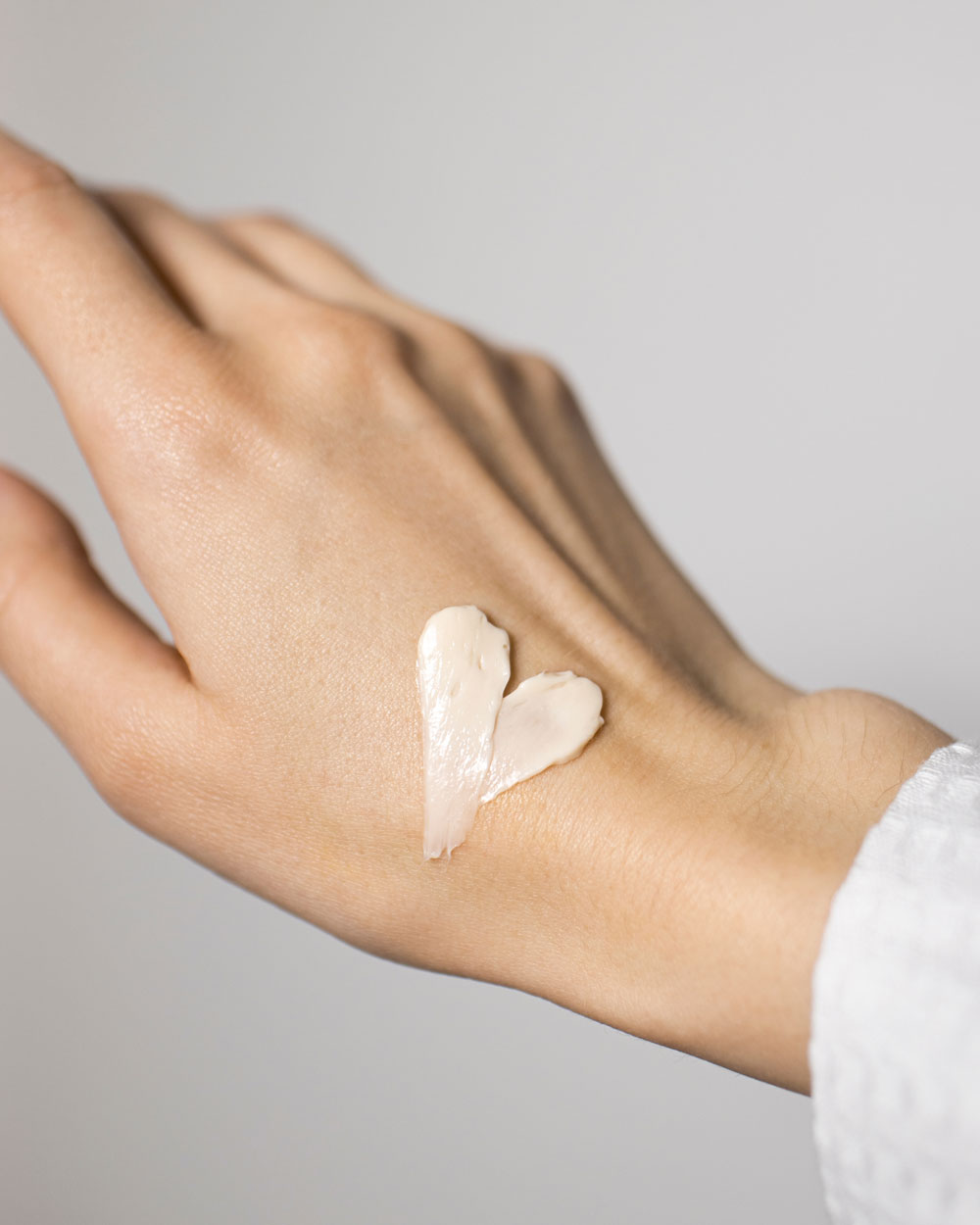
How to Calm Stressed Skin
The good news? Stressed skin is manageable, and your skin can bounce back with the right care.
1. Simplify Your Skincare
Dr Kiran recommends stripping your routine back to basics. 'Focus on gentle, hydrating products that help rebuild your skin barrier. Avoid harsh exfoliants and too many actives until your skin calms down.'
Look for ingredients like:
- Hyaluronic acid for hydration
- Ceramides to strengthen the skin barrier
- Niacinamide to soothe inflammation
2. Prioritise Sleep
'Your skin repairs itself while you sleep,' says Dr Kiran. Aim for 7-9 hours of good quality rest to give your skin a chance to recover.
3. Manage Stress
Meditation, light exercise, and taking time to unwind can all make a difference. 'You can’t always control stress, but how you manage it really shows up on your skin,' she adds.
4. Hydrate From Within
Don’t underestimate the power of water. Drinking enough fluids and eating water-rich foods like cucumber and watermelon can help hydrate your skin from the inside.
5. Protect Your Skin
Wear sunscreen daily and try to limit exposure to pollution when possible. Antioxidants like Vitamin C can help protect your skin from environmental damage.