When we think of vitamin C, most of us picture a lemon squeezed into warm water or an orange peeled mid-afternoon. It’s practically muscle memory at this point. But while citrus fruits do deserve some credit, they’re not the undisputed champions of vitamin C. In fact, you might already be meeting your daily needs without realising it.
’Vitamin C is often misunderstood,’ says Dr Kiran Sethi, dermatologist and founder of Isya Aesthetics. ’People tend to assume they need large doses or supplements, when in reality, a balanced diet can easily cover your requirement.’
So how much do you really need and where should it come from?
How Much Vitamin C Does The Body Actually Need?
According to global nutrition guidelines, the average adult needs around 75 - 100 mg of vitamin C per day. Women generally require slightly less than men, while needs increase during pregnancy, breastfeeding and for smokers.
’Smoking significantly increases oxidative stress in the body,’ explains Dr Sethi. ’In such cases, the requirement can go up by 40–50 mg per day because vitamin C is constantly being used to neutralise free radicals.’That said, more isn’t always better. ’The body has a limit to how much vitamin C it can absorb at one time,’ she adds. ’Beyond that point, excess vitamin C is simply excreted.’
Why Vitamin C Matters (Beyond Immunity)
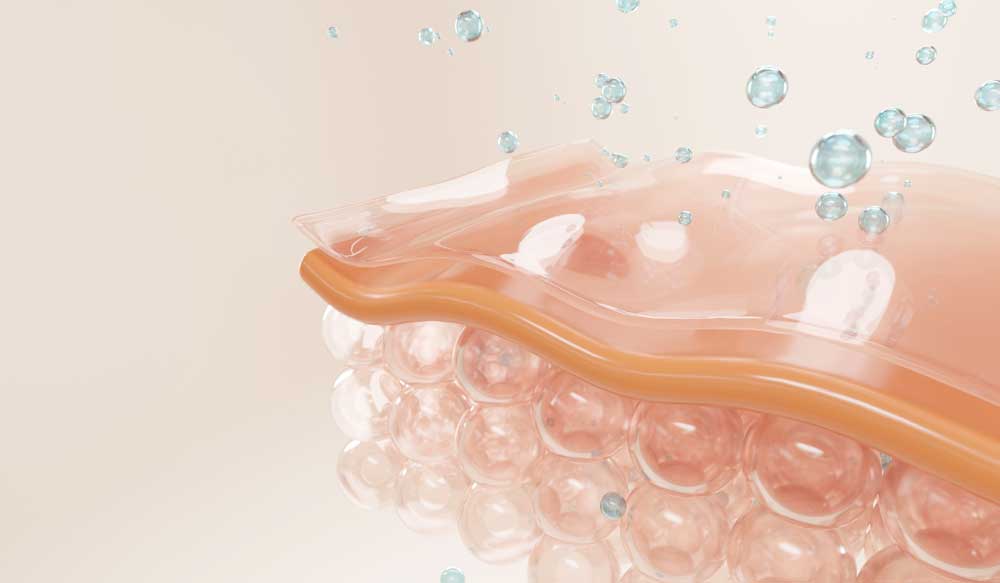
Vitamin C is best known for supporting immunity, but its role goes far deeper. ’It’s a powerful antioxidant,’ says Dr Sethi. ’This means it protects our cells from damage caused by pollution, stress, UV exposure and inflammation, all of which contribute to premature ageing.’
It also plays a key role in:
- Collagen production, which keeps skin firm and resilient
- Cell repair and regeneration
- Wound healing
- Maintaining even skin tone
’In dermatology, vitamin C is essential not just for glow, but for long-term skin health,’ she explains.

The Foods That Quietly Do The Heavy Lifting
Here’s where the surprise comes in.
’Vegetables are actually the richest sources of vitamin C,’ says Dr Sethi. ’Red and yellow bell peppers, broccoli, Brussels sprouts and even leafy greens contain far more vitamin C than most fruits.’
In fact, one bell pepper alone can meet your daily requirement.
Other underrated sources include:
- Indian gooseberry (amla)
- Guava
- Strawberries
- Blackcurrants
- Fresh herbs like coriander and parsley
And no, frozen vegetables aren’t the enemy.
’Frozen produce is often flash-frozen soon after harvesting, which helps preserve nutrients,’ says Dr Sethi. ’They can sometimes retain more vitamin C than fresh vegetables that have travelled long distances.’
Should You Be Taking Supplements?
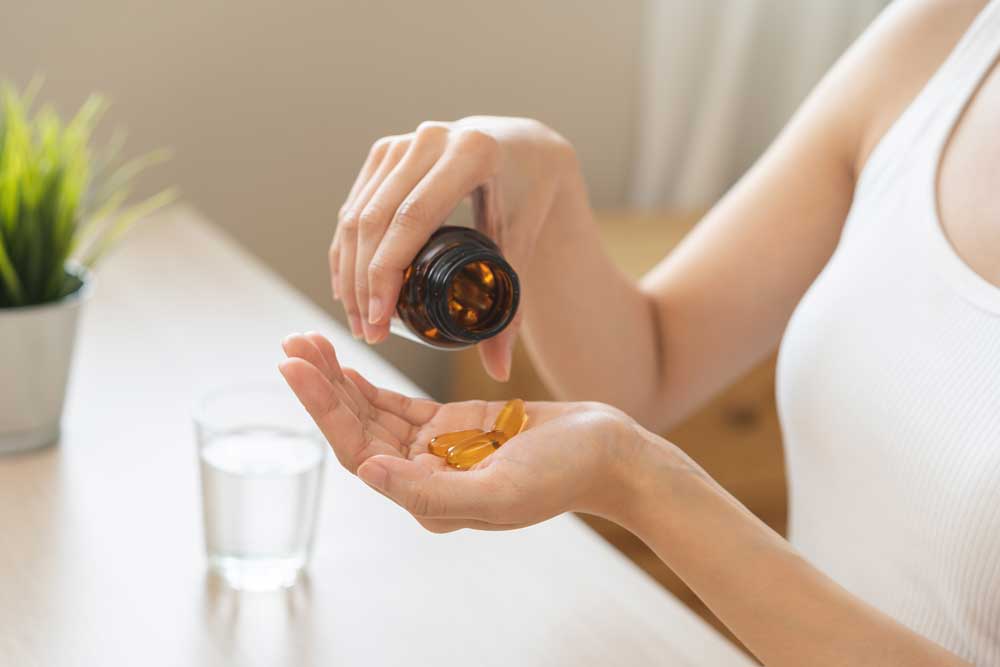
Short answer: most people don’t need to.
’Vitamin C is absorbed through specific receptors in the gut,’ explains Dr Sethi. ’Once those receptors are saturated, usually at around 200 mg per day, the body simply can’t absorb more.’
This is why high-dose supplements rarely offer added benefits for healthy individuals.
’Unless you have a deficiency or specific medical need, food remains the best source,’ she says.
Can You Overdose On Vitamin C?
A true overdose is rare, as vitamin C is water-soluble and excess amounts are flushed out through urine.
However, consistently high doses from supplements can cause:
- Bloating
- Diarrhoea
- Abdominal cramps
- Increased risk of kidney stones in susceptible individuals
’It’s another reminder that moderation matters,’ Dr Sethi notes.
Getting More Vitamin C Without Overthinking It
Small changes go a long way:
- Eat fruits and vegetables raw or lightly cooked
- Avoid overboiling vegetables, vitamin C is heat-sensitive
- Add lemon to water for an easy daily boost
- Rotate your produce rather than relying on one ‘superfood’
’You don’t need to chase trends,’ says Dr Sethi. ’Consistency matters more than intensity.’
What About Vitamin C In Skincare?
Topical vitamin C is a different conversation and a useful one.
’Vitamin C serums help support collagen, reduce pigmentation and protect the skin from environmental damage,’ says Dr Sethi. ’I usually recommend using it in the morning, under sunscreen.’
However, formulation matters.
’Vitamin C oxidises easily when exposed to air, light and heat,’ she explains. ’That’s why dark bottles, smaller packaging and stabilising ingredients like vitamin E or ferulic acid are important.’
One caveat: higher concentrations aren’t always better.
’Strong formulas can sting or irritate sensitive skin,’ Dr Sethi cautions. ’It’s better to use a lower concentration consistently than overwhelm your skin.’