Writing about sustainability often means you discover some hard facts about the high carbon footprints of small everyday products. It also means you might get absolutely obsessed with one of them and dedicate weeks, if not months, to find a greener replacement. That’s the story of how I found a much better swap for makeup remover wipes.
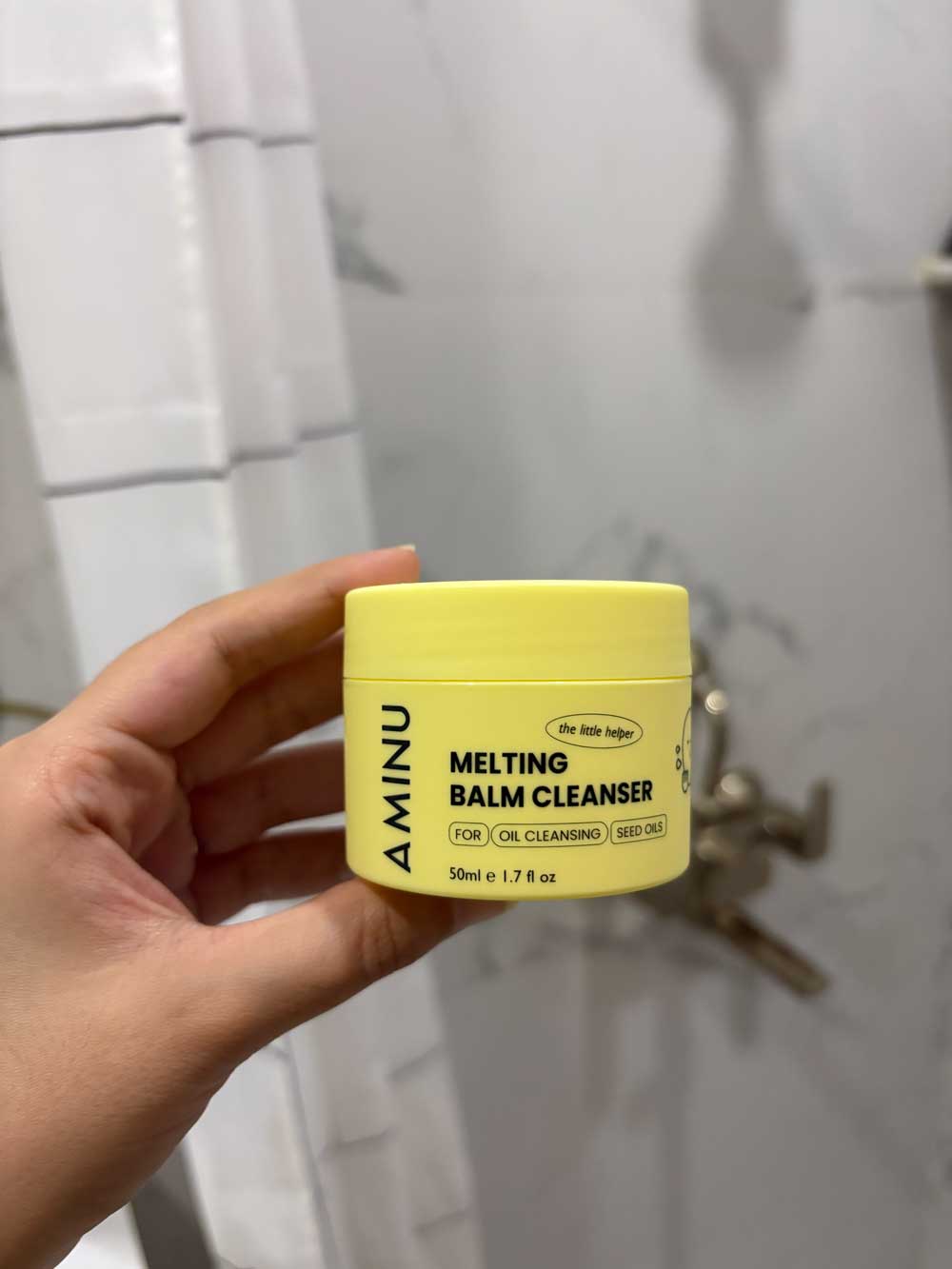
A few years ago, I set out to find an alternative for these awful wipes that do nothing but annoyingly stretch your skin and leave it dry. The cleansing balm I thought felt like magic, was actually filled with microplastics. So I was rubbing plastic on my skin and letting it go into the ocean, and eventually our food chain? Absolutely unacceptable. That’s when I set out to find the same ease of melting my makeup away, only without the nasties being involved in this part of my skincare routine. That led me to a product from Aminu that hasn’t left my bathroom shelf in three years now. I’ve seen the jar of Aminu’s Melting Balm Cleanser change in shape and colour over the years, but the formulation has remained consistent -- clean, without microplastics and yet effective.
Eventually, it led me to explore what Aminu was really about and, as a result got to know a brand that finally saw me and created gentle formulations for my everyday reality- PMS, humidity that transitions into an extra cold office, pollution, and under-slept nights that turned into weeks. From tapping into the intricacies of microbiology, to power-packed superfoods, the brand’s products offer a wide range of skincare and body care products that I went on to discover after my experience with the melting balm.
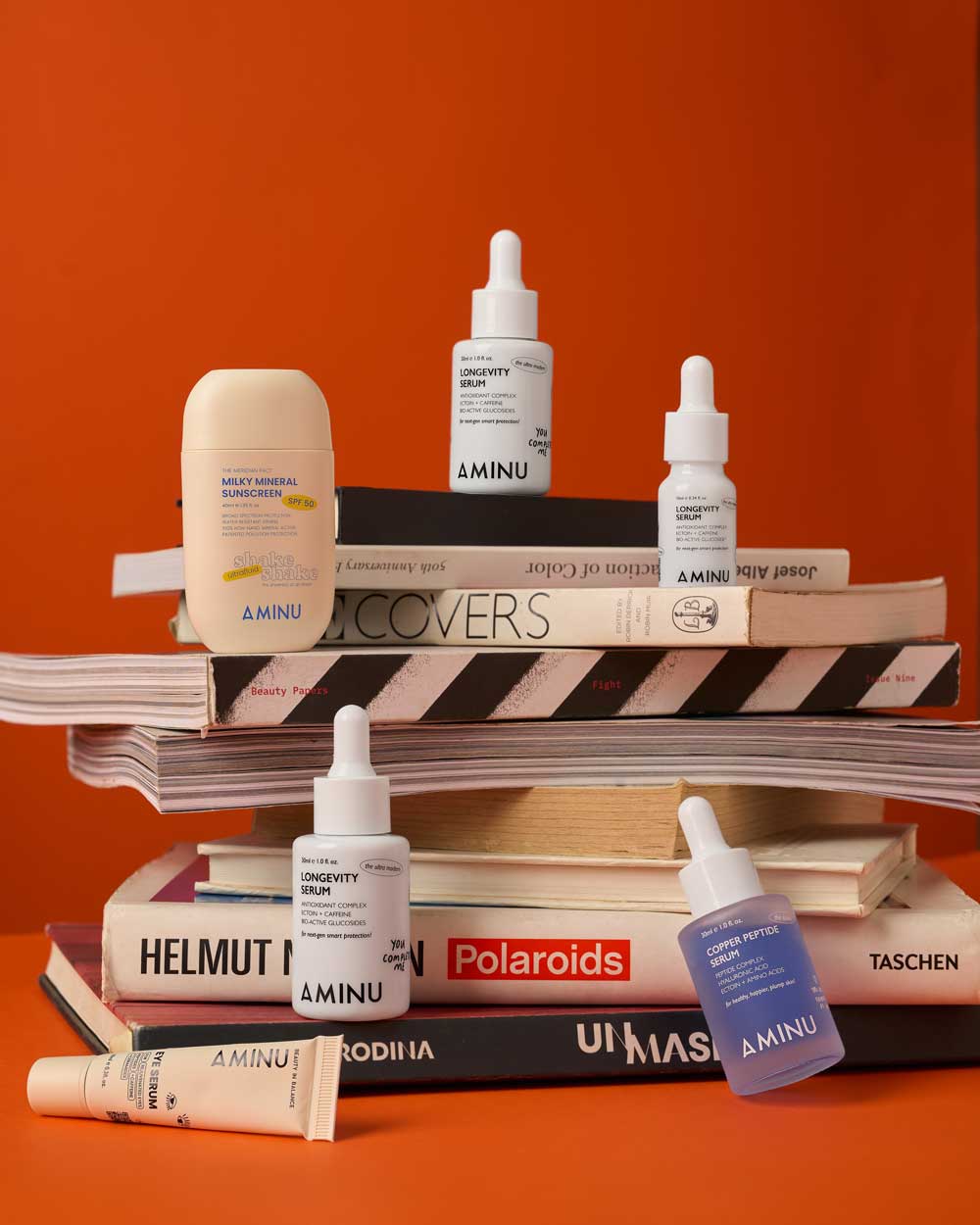
Co-founded by Prachi Bhandari, Aminu aims to blend science with art to create products that help skin become its healthiest self. Having met Bhandari on several occasions before, it’s hard not to find the same happy, familiar and easy energy in the brand's products and packaging, as she brings to a conversation. The little affirmations on the packaging are sure to bring a smile to your face even on the gloomiest days. Reading ‘your eyes remind me of stars’ on my nightly eye serum has become the best part of my nighttime routine.
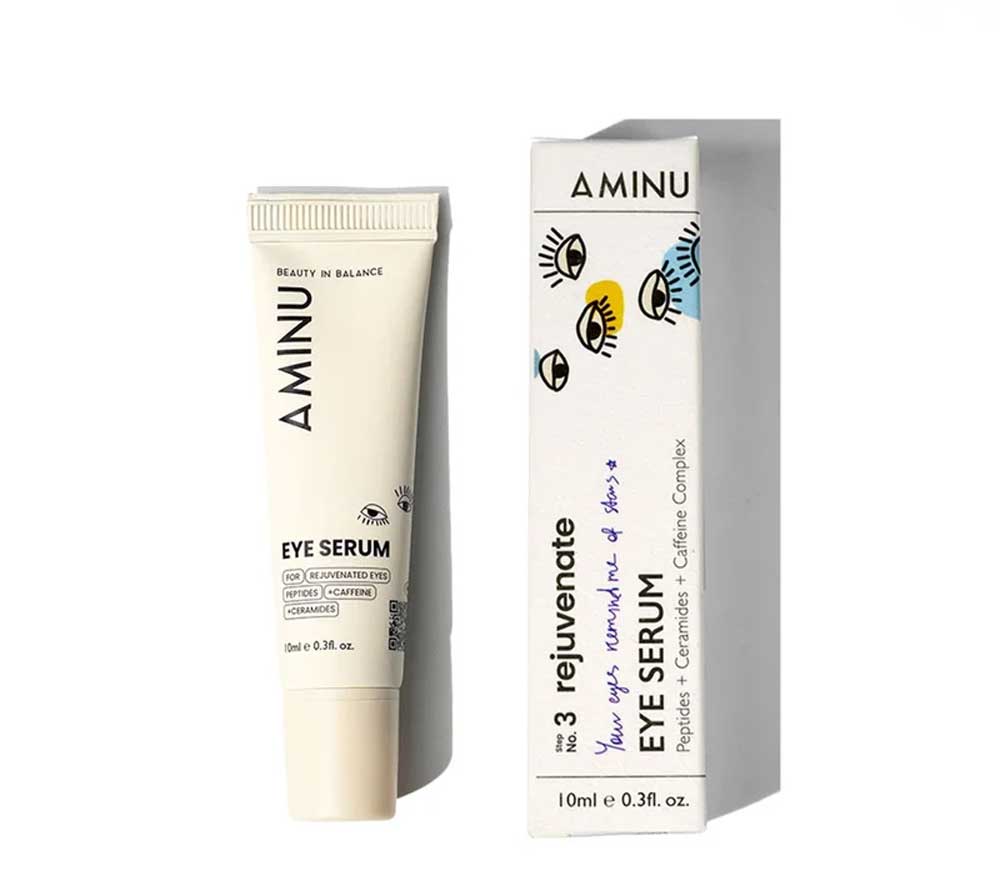
In my conversation with the co-founder, I quizzed her about what inspired her to start Aminu in the first place. Her answer was one that was rooted in a deep sense of understanding of the human emotion behind skin health, as well as daily Indian skincare needs. ‘The earliest ideas were shaped by thousands of faces, conversations, flare-ups, recoveries and small observations that never appear in a trend report. That is when I understood that skin is not a fixed type. It is a living, adapting system. Aminu was built around that belief. So the inspiration was never one ingredient or one gap in the market. It was the feeling that skincare could be more intelligent, more honest and much more human,’ Bhandari said. The result was a range of products that go beyond the ‘feel-good’ quality and also deliver results. Take the much-loved Vitamin C Body Oil, for instance. It’s hydrating enough to quench dehydrated skin without feeling heavy or greasy on the skin. An oil that I’ve reached out to, even on hot and humid summer days.
The products are also seemingly a reflection of her attempt to build around what she calls the ‘missing middle’ between clinical skincare that often felt cold, intimidating or fear-based, and sensorial skincare that did not always go deep enough scientifically. ‘I kept thinking, skin does not need another product category. It needs a better conversation between science and real life. Science with warmth. Performance without aggression. Formulas sophisticated enough to respect the biology of skin, but intuitive enough to become part of real life,’ says Bhandari.

But while creating a beautiful balance of science, art and skincare, is sustainability a practical expectation or can it become the straw that breaks the camel’s back? One look at Aminu’s impressive list of certifications (many of which I didn’t even know existed), and it’s clear that ‘eco-friendly’ is a lot more than just a tag that can set them apart. For Bhandari, they knew which values the brand would not compromise on from the get-go. ‘We did not want performance to come at the cost of skin health, animal welfare, environmental responsibility or ingredient integrity. These were not claims we added once the brand became visible. They were constraints we gave ourselves while building it,’ she explains. It is, ultimately, these constraints that Bhandari holds responsible for better innovation. ‘When you say no to microplastics, unnecessary fillers, questionable sourcing or shortcuts in testing, formulation becomes harder. But it also forces you to think more deeply. You have to find better delivery systems, better textures, better raw materials and more intelligent ways to achieve performance,’ adds Bhandari.

Aminu has been certified as Vegan, Cruelty Free- By PETA, MediCERT Awarded, Dermatologically Tested, Zero Plastic Inside and Made Safe Certified. While these certifications are instrumental in building trust in today’s overly marketed and crowded skincare market, Bhandari insists these are never treated as trophies or marketing decorations by them. ‘. A certificate cannot make an average formula exceptional. It can only verify one part of the discipline behind it…and honestly, for us, the real foundation is the work no customer sees: reviewing thousands of technical documents, questioning suppliers, comparing multiple grades of the same ingredient, rejecting materials that are almost good enough, and repeatedly reformulating when something does not meet our standard,’ she explains.
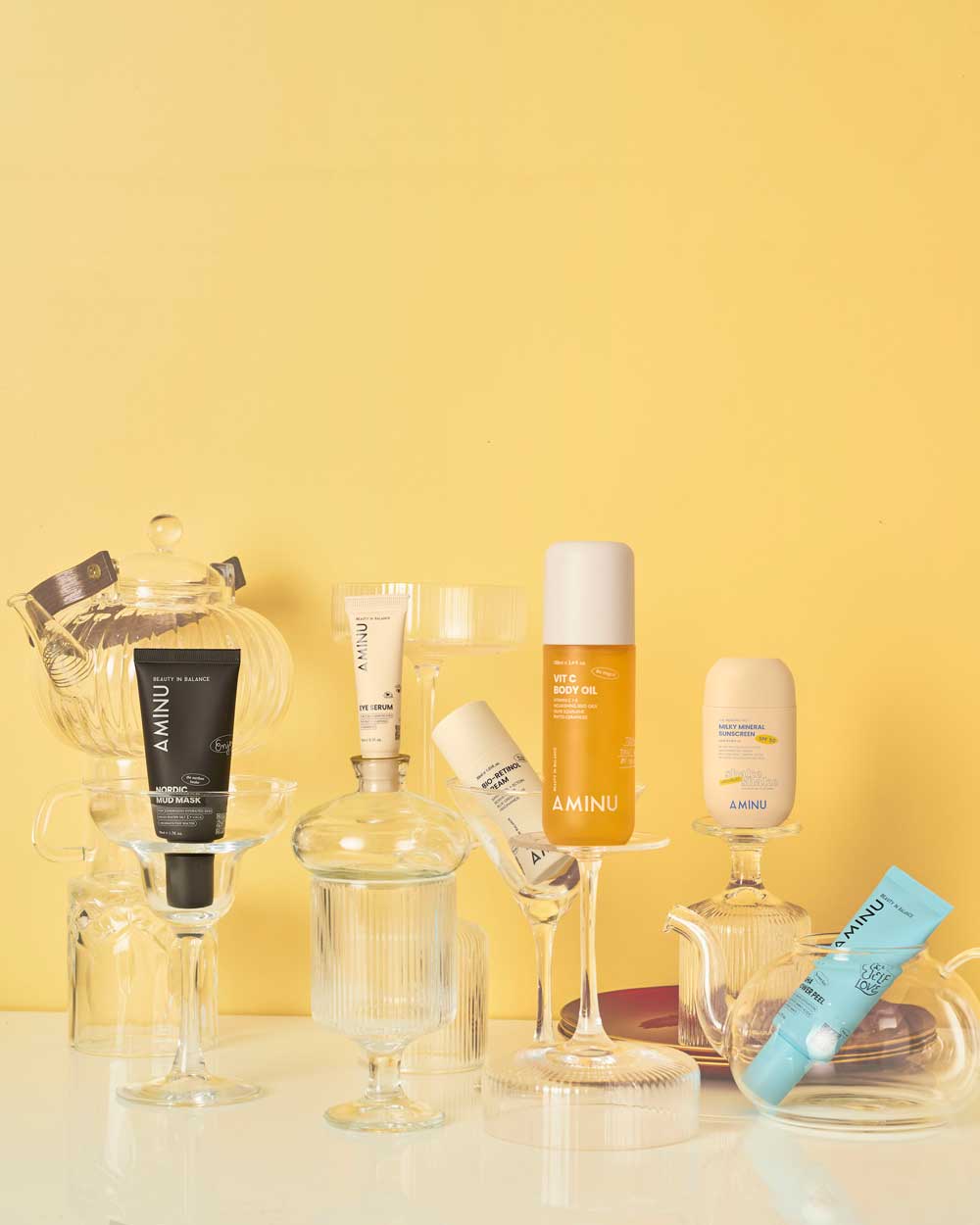
Three years ago, I was looking for a makeup remover that would not leave microplastics in the ocean. What I found was a brand that had already asked every question I had not yet thought to ask about ingredients, about sourcing, about what skincare owes the person using it and the planet it ends up in. The melting balm is still on my shelf. So is everything that followed it.