We've all had summers that felt unbearable, but some in particular seem to have a personality of their own. The kind where you step outside for five minutes and return looking like you've run a marathon. Where your skin swings wildly between greasy, irritated and dehydrated. Where even your favourite moisturiser suddenly feels wrong. It’s safe to say this summer has summered more than other summers.
This is often what an El Niño-influenced summer can feel like.
While most of us associate El Niño with weather forecasts and rising temperatures, the climate phenomenon can have a surprisingly noticeable effect on your skin. Increased heat, stronger UV exposure, fluctuating humidity levels and environmental stressors can alter how your skin behaves, making your usual skincare routines less effective.
According to Dr Kiran Sethi, founder of Isya Aesthetics, ’The skin is one of the first organs to react to environmental stress. During hotter-than-usual summers, increased heat exposure can disrupt the skin barrier, increase oil production and accelerate water loss from the skin.’
So, what exactly happens to your skin during an El Niño summer, and how should you adapt your routine?
Why El Niño Summers Feel Different
El Niño is a climate pattern that causes warming of surface ocean temperatures in the Pacific Ocean, influencing weather patterns across the globe. In India, it is often linked to hotter temperatures, heatwaves and periods of extreme weather.
For your skin, that means exposure to conditions that can increase inflammation, dehydration and oxidative stress.
’Heat doesn't just make you sweat,’ says Dr Sethi. ’It triggers a chain reaction within the skin. Sebaceous glands become more active, blood vessels dilate and the skin loses water more rapidly through transepidermal water loss.’
In simple terms, your skin ends up working overtime.
Your Skin May Become Oilier And Dehydrated At The Same Time
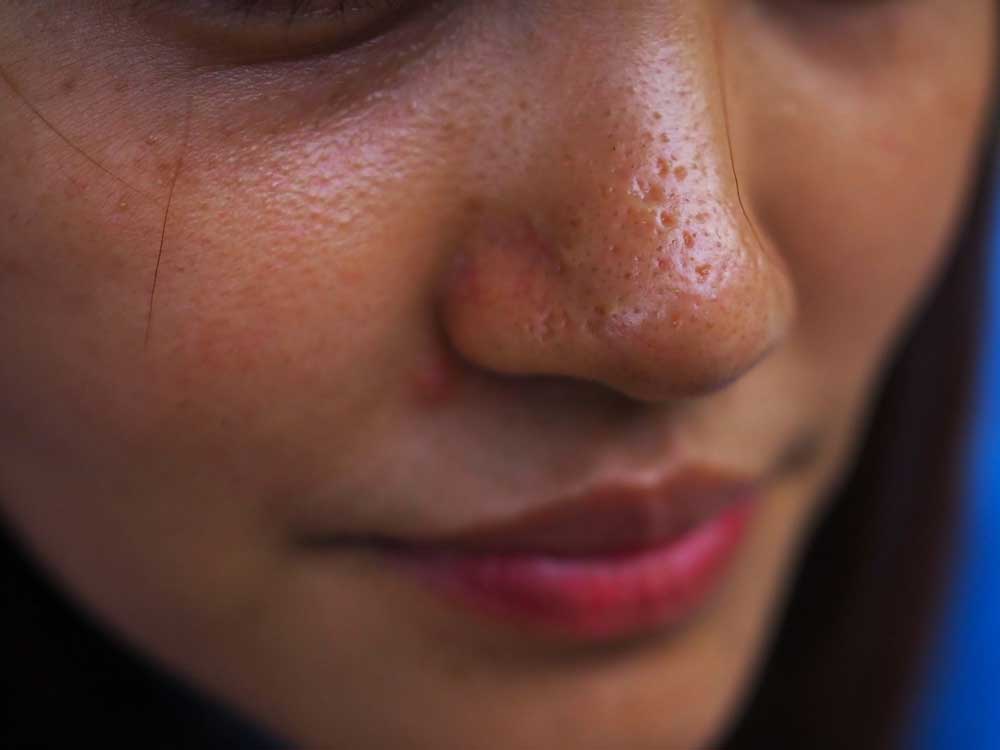
One of the biggest misconceptions about summer skin is that oily skin is automatically hydrated. In reality, excessive heat causes increased sweating and water loss. As a response, the skin may produce even more oil to compensate. This explains why many people notice shiny skin, clogged pores and breakouts despite drinking plenty of water.
If your face feels greasy but simultaneously tight after cleansing, dehydration could be the culprit.
Pro Tip:
- Switch to lightweight gel-based moisturisers.
- Use ingredients like hyaluronic acid and glycerin to attract moisture.
- Avoid harsh cleansers that strip the skin barrier.
Expect More Breakouts
Heat, sweat and pollution create the perfect environment for acne flare-ups.
Sweat mixes with oil, dead skin cells and environmental debris, increasing the likelihood of blocked pores.
’During periods of intense heat, acne-prone skin often experiences more congestion and inflammation,’ explains Dr Sethi. ’Keeping pores clear without over-exfoliating becomes particularly important.’
Pro Tip:
- Use a gentle salicylic acid cleanser a few times a week.
- Avoid heavy creams and thick makeup.
- Cleanse after excessive sweating rather than allowing sweat to sit on the skin.
Hyperpigmentation May Become Harder To Control
If you've spent months treating post-acne marks only to see them darken again during summer, you're not imagining things. Increased UV exposure stimulates melanin production, making pigmentation concerns more stubborn.
Even short periods outdoors can contribute to dark spots becoming more noticeable.
Pro Tip:
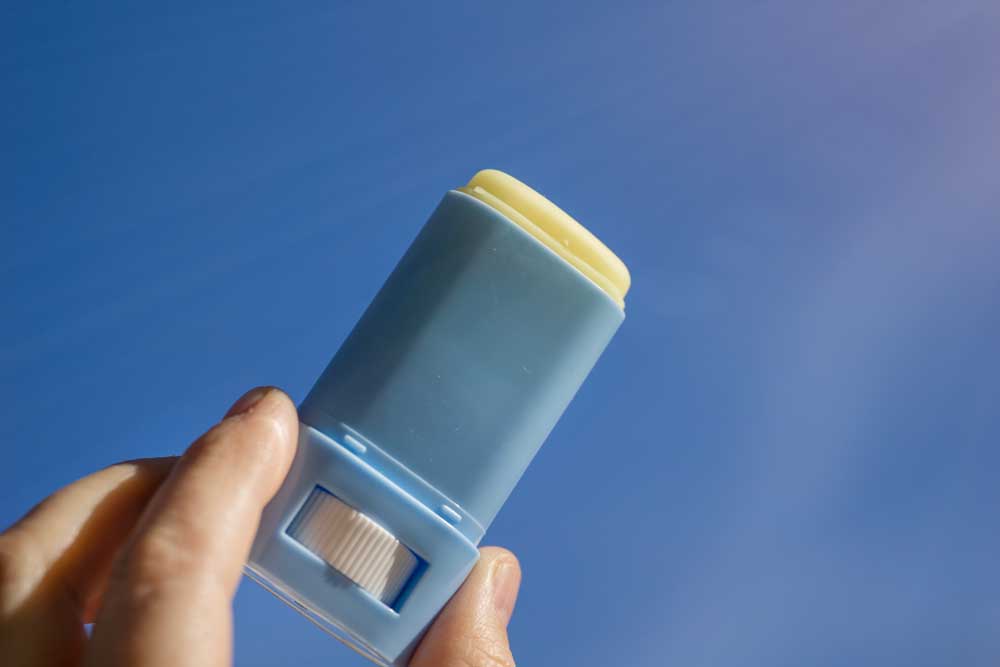
- Reapply sunscreen every two to three hours when outdoors.
- Add antioxidants such as vitamin C to your morning routine.
- Wear hats and seek shade whenever possible.
Your Skin Barrier May Become More Sensitive
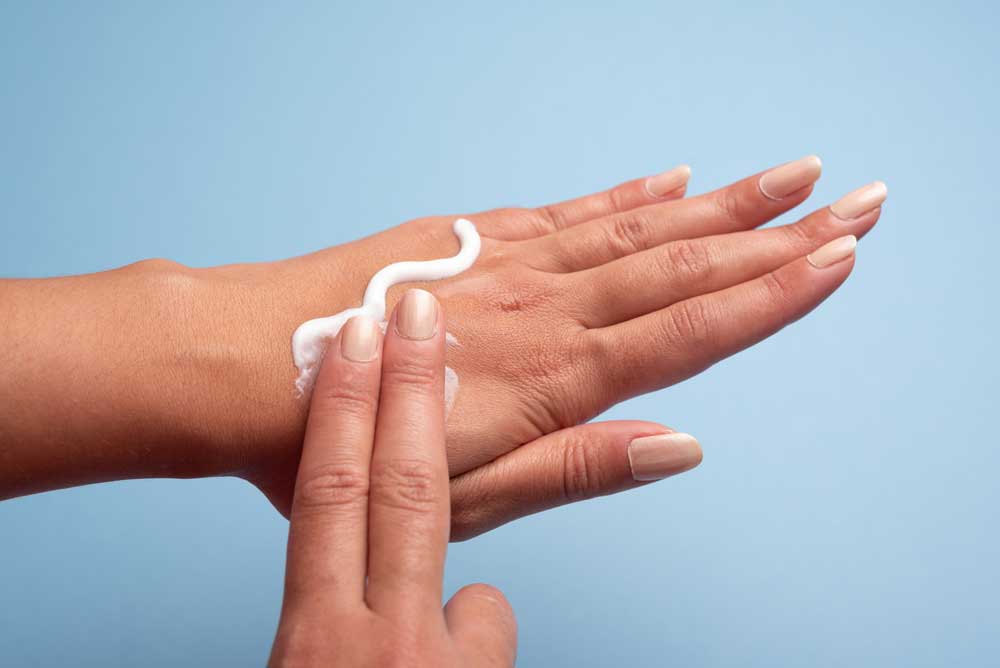
A compromised skin barrier is one of the hidden effects of prolonged heat exposure. When the skin loses moisture faster than it can replenish it, irritation, redness and sensitivity can increase. Products that usually work well may suddenly sting or cause discomfort.
Pro Tip:
- Focus on barrier-supporting ingredients like ceramides, panthenol and niacinamide.
- Reduce the use of strong exfoliating acids if your skin feels irritated.
- Prioritise soothing and hydrating products over aggressive treatments.
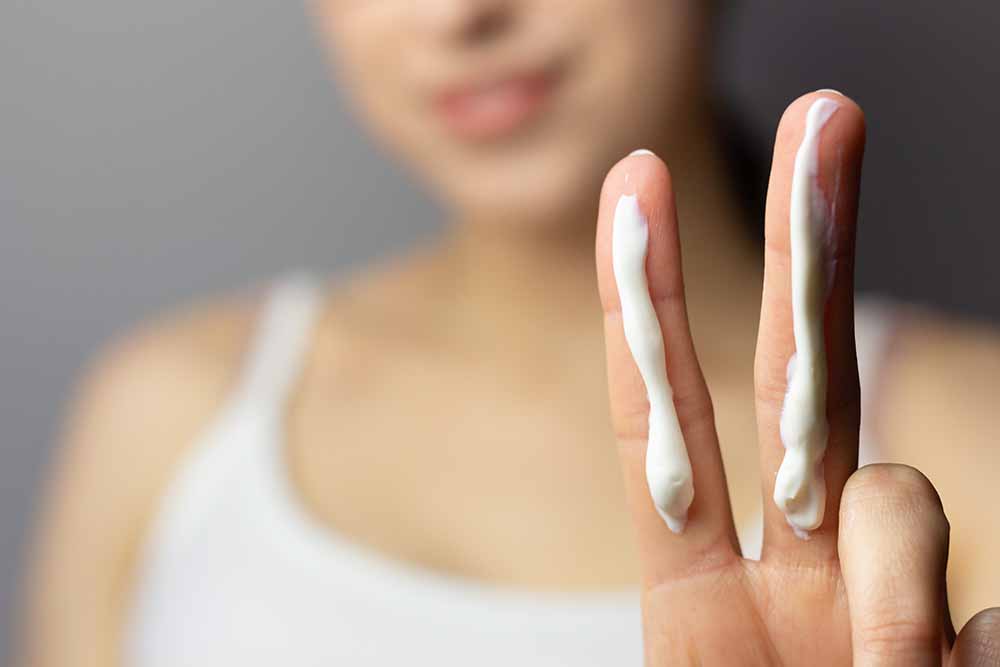
Sunscreen Matters More Than Ever
During an El Niño summer, UV exposure often feels more intense simply because people spend more time under stronger sunlight and higher temperatures.
’Consistent sunscreen use becomes even more important during periods of extreme heat,’ says Dr Sethi. ’UV damage contributes not only to pigmentation and premature ageing but also weakens the skin's ability to repair itself.’
Pro Tip:
- Choose broad-spectrum SPF 50 protection.
- Reapply regularly, especially after sweating, you can also try a sun stick for reapplication.
- Don't forget commonly missed areas such as the ears, neck and hands.
An El Niño-influenced summer places extra stress on the skin through higher temperatures, increased UV exposure and accelerated moisture loss. The solution isn't necessarily adding more products, but understanding what your skin needs in response to changing environmental conditions.
Sometimes, the smartest skincare tweak is simply recognising that your skin is reacting to the weather just as much as you are.
As Dr Kiran Sethi notes, ’Healthy skin isn't about fighting the environment. It's about helping your skin adapt to it.’