Dealing with pimple marks and acne scars is like handling the aftermath of a surprise party - the zits may have a short stay, but they sure leave behind souvenirs in the form of hyperpigmentation. Those unwelcome guests clog up our skin pores, throwing a dirt and sebum bash where bacteria RSVP without an invite. The result? Pimple marks that seem to stick around longer than a clingy friend after a party!
Understanding Acne Marks
Pimple marks - those stubborn dark spots or scars that linger after a pimple has run its course - arise primarily due to the inflammatory process that occurs during the formation and subsequent healing of a pimple.
When a pimple emerges, it triggers the body's immune system into action. White blood cells rush to the site to combat the bacteria that causes the pimple, resulting in visible redness and swelling around the affected area. This inflammatory response is the body's natural defence mechanism to eradicate intruding bacteria.
However, exacerbating this process by picking or popping the pimple can lead to more significant issues. Such actions cause additional trauma to the skin, beyond what is induced by the initial inflammation. This results in increased damage. Consequently, the heightened trauma often leads to the formation of darker spots or even permanent scars once the pimple finally heals.
It is strongly advisable to refrain from picking or popping pimples. Doing so can not only worsen the inflammation and delay healing but also significantly heighten the likelihood of developing persistent pimple marks or scars. Preventing these marks from forming in the first place is best achieved through gentle and non-invasive skincare practices that promote the natural healing process of the skin.
Types Of Acne Marks
Pimple marks typically fall into two primary categories: red and dark marks, each exhibiting distinct characteristics and behaviours during the skin's healing process.
Red marks are considered temporary and tend to diminish within a few weeks. These result from the inflammation that takes place during the pimple's formation and its subsequent healing. The redness arises due to the dilation of blood vessels in the affected area, a natural response of the body's immune system. As the inflammation subsides and the healing progresses, these marks gradually fade away.
In contrast, dark marks are attributed to an excess production of melanin in the skin. These marks have a prolonged duration and often take several months to fade entirely. They can manifest in various shades ranging from light brown to deep black. Notably, individuals with darker skin tones are more susceptible to darker marks due to their skin's higher melanin content.
Understanding the distinction between red and dark marks is essential in devising suitable skincare approaches to address them effectively. While red marks may be resolved relatively quickly, managing dark marks often requires targeted treatments and consistent skincare routines tailored to address melanin production and skin pigmentation.
Removing pimple marks involves employing various skincare strategies and products to address specific concerns related to skin pigmentation, inflammation, and overall skin health.
- Tea tree oil: Renowned for its potent anti-inflammatory and antibacterial properties, tea tree oil is beneficial for clarifying the skin. It's especially helpful for those with acne-prone or pimple-prone skin. It aids in maintaining clearer skin by reducing inflammation and controlling bacteria.
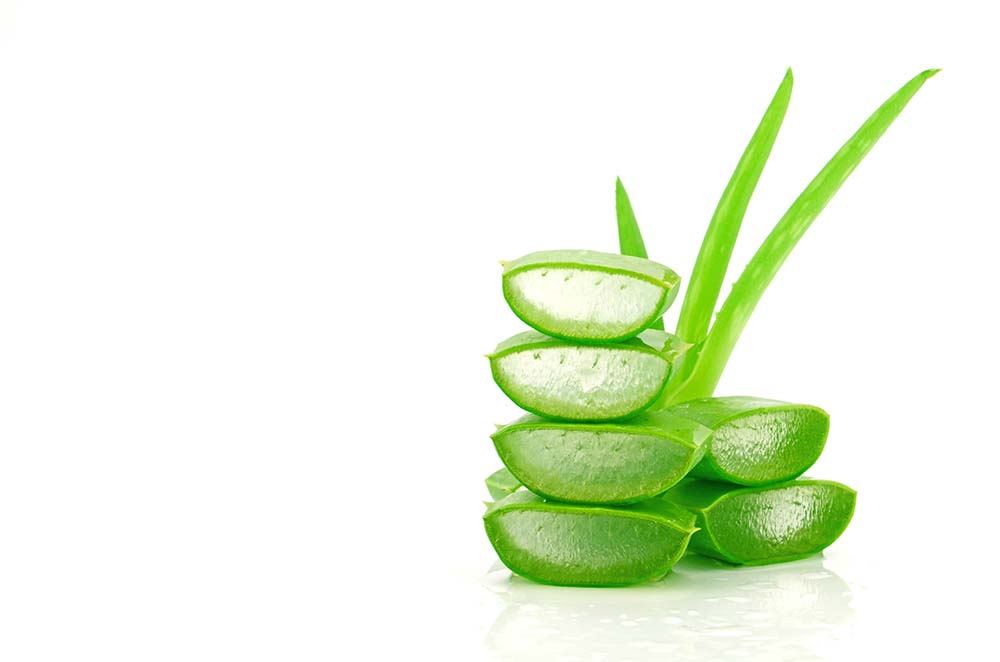
- Aloe vera: Known for its soothing properties, aloe vera accelerates the skin's healing process. Its antimicrobial nature helps to efficiently fade acne marks, while also contributing to a natural radiance in the skin.

- Vitamin C serum: Vitamin C is a powerful ingredient renowned for its ability to address pimple marks. By inhibiting melanin production, it helps fade dark spots, while also promoting collagen production, which promotes skin repair and rejuvenation.
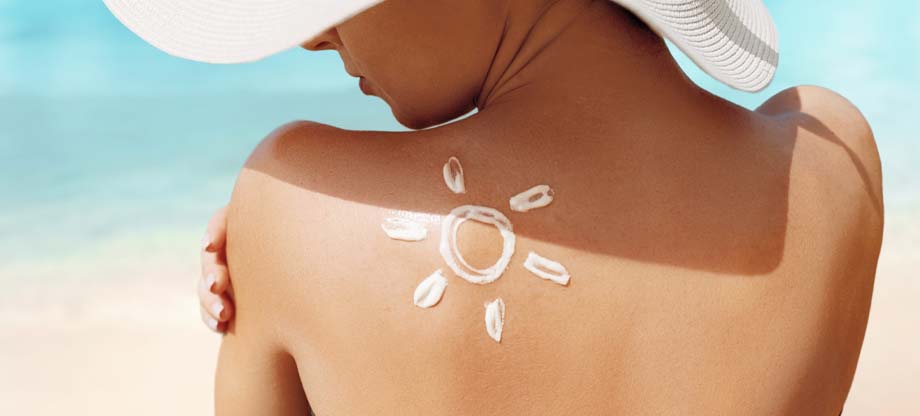
- Sunscreen protection: Applying sunscreen is crucial to prevent worsening hyperpigmentation caused by exposure to the sun's harmful UVA and UVB rays. Using a broad-spectrum sunscreen with SPF 50 every day shields the skin and prevents pimple marks from worsening.
- Preventive measures for acne marks: To avoid leaving behind persistent marks, it's vital to refrain from picking, squeezing, or popping pimples. Such actions can intensify inflammation and cause additional trauma to the skin. Moreover, steering clear of harsh skincare products that might irritate or inflame the skin is essential. Protecting the skin from UV rays by wearing sunscreen regularly also helps prevent exacerbation of pimple marks and further damage to the skin.
By incorporating these measures into a comprehensive skincare routine and being mindful of protective practices, one can effectively address pimple marks while promoting overall skin health and clarity.
Top of Form
FAQs
- How long do pimples last?
A. Typically, pimples last 3-7 days, but deeper ones might persist for a few weeks.
- What causes pimples?
A. Pimples are primarily caused by clogged pores due to excess sebum, dirt, and dead skin cells.
- How can I remove pimple spots?
A. Effective methods include using actives like alpha arbutin and vitamin C, regular exfoliation, and ensuring proper sun protection to fade pimple spots.