Ah, Sundays. The sacred day for all the "adulting" tasks we didn’t have time for during the week—waxing, laundry, restocking groceries, and experimenting with yet another DIY remedy for glowing skin. If you’ve ever aggressively scrubbed your underarms with lemon or applied a questionable paste to your inner thighs in a bid to banish pigmentation, welcome to the club. We’ve all been there.
Whether it’s your natural complexion, lips, armpits, or inner thighs, the idea of "ideal" skin is often equated with being as pale as maida. But here’s the thing—pigmentation isn’t a flaw to fix. It’s just skin doing its job. Slowly but surely, we’re beginning to see that set beauty standards are, well, unrealistic. Stretch marks, cellulite, body hair, pigmentation—they’re all just part of being human.
Still, it’s okay if pigmentation stirs a bit of insecurity. If you’re torn between embracing it and wanting to lighten it, you’re not alone. We spoke to Dr. Kiran Sethi, a renowned dermatologist, to understand what causes it and what we can do—if we choose—to manage it.
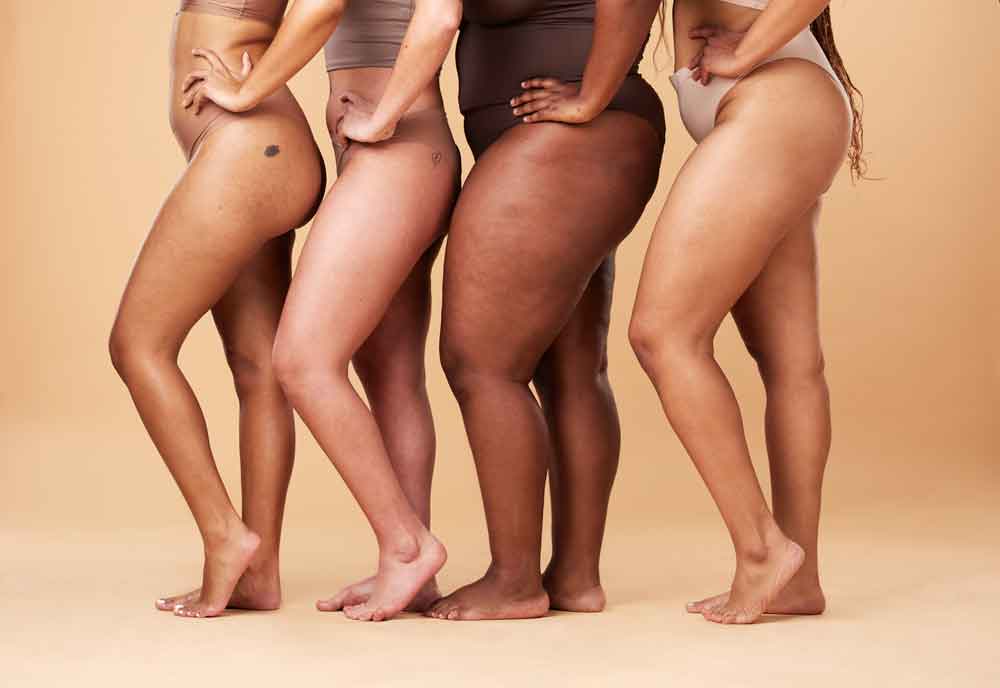
Why Are These Areas More Prone to Pigmentation?
Pigmentation, especially hyperpigmentation, happens when there’s an increase in melanin production in the skin. Melanin, the pigment responsible for our skin tone, also acts as a natural sunscreen, protecting us from UV damage. But sometimes, factors like genes, hormones, or friction can trigger extra melanin in specific areas, leading to darker patches.
Dr. Sethi breaks it down:
- Friction and chafing: Your favorite skinny jeans or synthetic leggings might be working against you. Constant rubbing causes micro-injuries, which the skin "fixes" by producing more melanin.
- Sweating: Sweat, combined with friction, irritates the skin and worsens discoloration.
- Shaving: Razors don’t just cut hair—they can irritate the skin, leading to post-inflammatory hyperpigmentation.
- Hormonal changes: Puberty, pregnancy, or even conditions like PCOS can lead to hormonal imbalances, causing pigmentation.
- Genetics: Sometimes, you just have to thank your DNA for making your skin more prone to melanin production.
In some cases, darker underarms or inner thighs might indicate an underlying condition. "If the skin is more than three shades darker than your natural tone, or it’s thickened and velvety, it could be acanthosis nigricans," says Dr. Sethi. This condition is often linked to insulin resistance, so it’s a good idea to check in with a dermatologist.

Do You Need to Treat It?
The million-dollar question: Should you lighten it? The answer depends entirely on you. “If it doesn’t bother you, there’s no need to fix something that isn’t broken,” says Dr. Sethi. “But if it affects your confidence, there are gentle ways to manage it.”
Let’s debunk one myth right away—there’s no magic cream that can turn skin snow-white. But exfoliation and care can help reveal newer, fresher skin that might appear lighter. For starters:
- Gentle exfoliation: Look for products with lactic acid, glycolic acid, or urea to gently remove dead skin cells.
- Moisturize: Hydrated skin is happy skin. Use a good moisturizer to reduce irritation and prevent further pigmentation.
- Switch fabrics: Opt for breathable cotton or linen to minimize friction and sweating.
- Mind your shaving habits: Consider switching to waxing or using a trimmer to avoid irritation.
For more stubborn pigmentation, dermatological treatments like chemical peels, laser therapy, or microdermabrasion may help. Just remember, every skin type is different, so consult a professional before trying any advanced treatments.