For anyone longing for thicker, healthier hair, the journey can feel like a never-ending cycle of trying new products, switching up routines, and still facing frustration. But according to trichologist Dr Rekha Yadav, understanding the science behind hair growth and thickness is key to achieving real results. Let's break down what actually determines hair thickness, how to enhance it, and which treatments genuinely work.
Understanding Hair Thickness & Growth
What Determines Natural Hair Thickness?
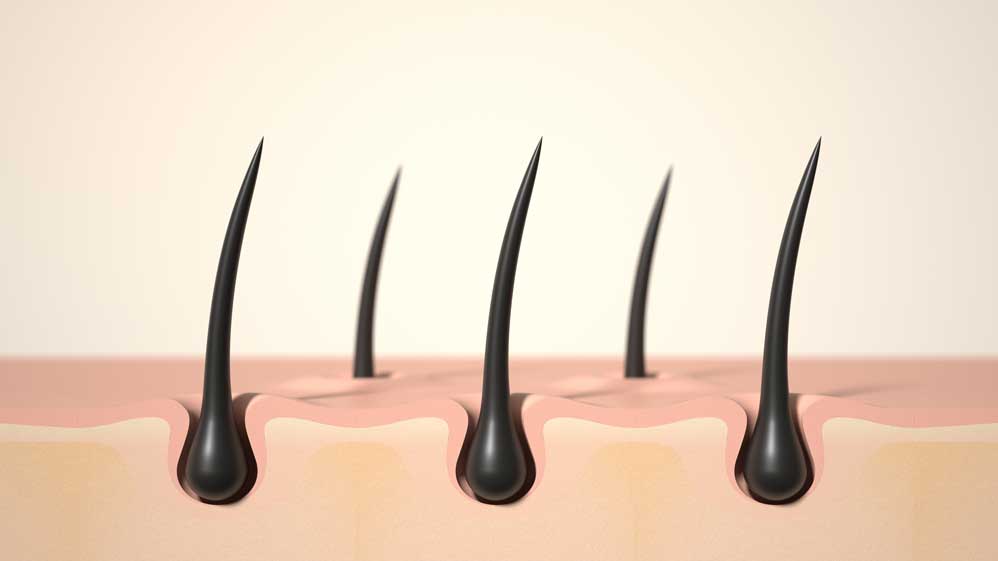
Genetics undoubtedly play a significant role in the natural thickness of our hair. The colour, texture, strand diameter, and growth speed are primarily determined by our DNA. However, external and internal factors also significantly impact how thick our hair appears over time. Chemical treatments, heat styling, environmental pollutants, and even stress can lead to reduced hair quality.

Can We Improve Hair Thickness?
Unfortunately, your hair strand cannot be thickened, but improving your hair density is definitely possible. However, this requires a holistic approach. Dr Yadav emphasises that a combination of internal and external therapies is essential:
’Peptides like copper peptides are very helpful in growing your hair. Then minoxidil is also helpful in improving blood circulation, but if these are not combined with internal therapies, they may not give the desired results. So, a holistic approach is very important—internal plus external therapies will work in stimulating hair growth.’
The Hair Growth Cycle's Impact
Hair goes through three phases:
- Anagen (growth phase): Lasts 2-6 years and determines hair length.
- Catagen (transition phase): Hair stops growing and detaches from the blood supply.
- Telogen (resting phase): Old hair sheds to make way for new growth.
Anagen length is crucial for thicker hair, and Dr Yadav highlights that prolonging this phase through proper scalp care, diet, and treatments can enhance hair thickness.
Is Hair Miniaturisation Reversible?
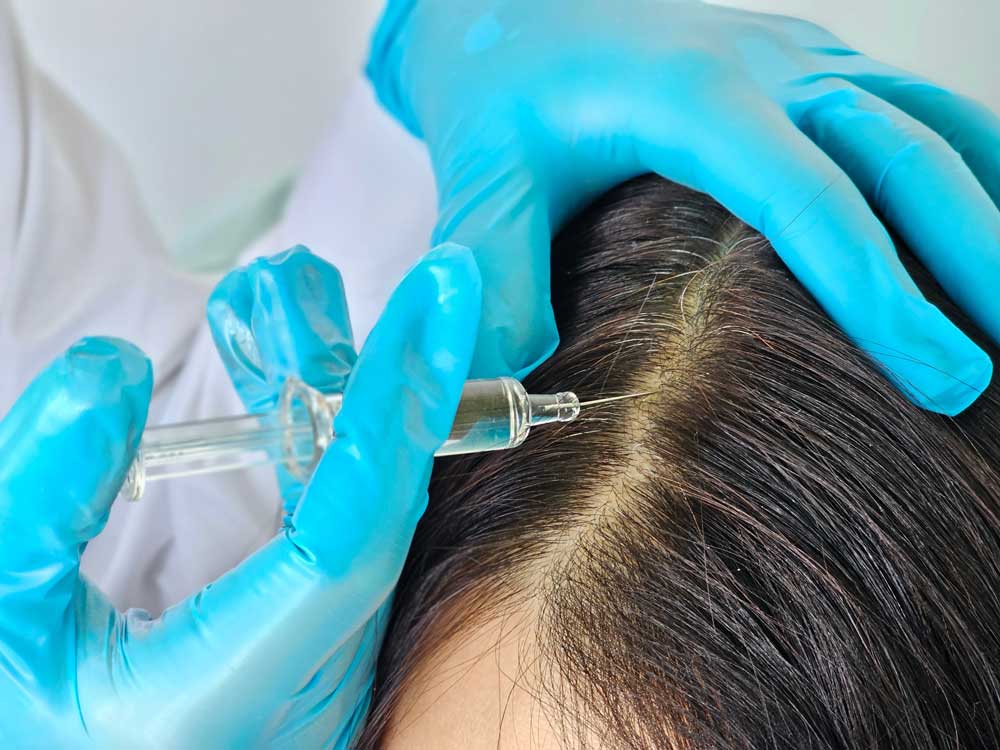
Hair miniaturisation is when hair strands become thinner and weaker due to genetics, hormonal imbalances, or lifestyle factors. While severely miniaturised hair follicles may not regenerate, dormant ones can be revived with the right interventions. Dr Yadav suggests treatments like mesotherapy, PRP (Platelet-Rich Plasma), GFC (Growth Factor Concentrate), and exosome therapies to strengthen follicles and reduce hair loss.
’Mesotherapy involves injecting a cocktail of micronutrients, minerals, amino acids, vitamins, and growth factors into the scalp. This improves blood circulation, strengthens the hair follicles, and lengthens the anagen phase, ultimately leading to thicker and faster hair growth.’

Nutrition & Lifestyle’s Role In Hair Thickness
Which Nutrients Are Essential?
Dr Yadav insists that deficiencies in key vitamins and minerals can lead to hair thinning. Some crucial nutrients include:
- Iron & Ferritin: Essential for oxygen supply to hair follicles.
- Vitamin B12 & D3: Prevents premature shedding and strengthens strands.
- Zinc & Copper: Regulate hair follicle function.
- Selenium: Supports thyroid health, which directly impacts hair growth.
- Omega 3, 6 & 9: Reduces inflammation and nourishes the scalp.
- Protein: Hair is 90 per cent keratin, so a protein-rich diet is vital.

The Impact Of Stress On Hair
Stress is a major culprit behind hair thinning, often triggering telogen effluvium, a condition where excessive hair falls out after a stressful event. Dr Yadav warns:
’Stress can be nutritional, physical, or emotional. If your body is deficient in nutrients, overworked, or emotionally strained, your stress hormones elevate, leading to imbalances that cause hair loss.’
Scalp Health & Hair Thickness
A healthy scalp is crucial for thick hair. Product buildup, fungal infections, and poor hygiene can lead to inflammation, weakening the hair follicles. Using the right shampoo for your scalp type is key, and Dr Yadav advises against baby shampoos unless suitable for your scalp condition.
Hair thickness is pre dominantly in your genes, however your lifestyle, nutrition, and the right treatments can make a huge difference in the appearance of your hair. Dr Yadav’s advice highlights the importance of treating hair holistically rather than just relying on external applications. Whether through dietary adjustments, stress management, or targeted treatments, to improve overall hair quality.