Biotin is a component of the vitamin B complex and is an essential nutrient.
Biotin is necessary for a broad variety of physiological functions in humans, including the production of cellular energy and the maintenance of healthy hair, skin and nails.
Foods such as liver and eggs and a variety of fruits, vegetables, and dairy products all contain biotin in varying amounts. In addition to nuts, seeds and legumes, whole grains and a broad range of nut varieties are also excellent sources of biotin.
The vitamin B biotin is essential because it enables your body to convert the fuel it gets from meals into usable energy. Biotin, commonly known as vitamin B7, contributes to the metabolism of carbohydrates, lipids and amino acids, which are the fundamental constituents of protein. This is one of the many positive effects that biotin has on one's health.
Biotin is essential to the proper functioning of all aspects of a healthy body, including the hair, skin and nails.
How much biotin do you need?
While you are preparing your diet, give some thought to how much biotin you need on a daily basis. The recommended daily amount of biotin for both adolescents and adults are between 25 and 35 micrograms (mcg). Because it has a role in the development of the embryo, biotin is an important vitamin for women who are pregnant to consume.
It's possible that you don't get enough biotin in your diet. Insufficiency in biotin is really rather uncommon, and it is easy to avoid developing the condition by ingesting foods that are high in biotin.
However, a lack of biotin may cause symptoms such as hair loss, skin rashes, high blood cholesterol levels, brittle nails, irregularities in the neurological system and issues in the heart. These symptoms can be caused by a lack of biotin.
Eating raw egg whites on a regular basis has been associated with a small number of cases of biotin deficiency although these cases are very rare. Cooking eggs removes a substance called avidin, which prevents biotin from being absorbed by the body and is found in raw eggs.
It's possible that those with certain medical conditions may need a greater dosage of biotin as well. To counteract the negative effects of smoking, which may lead to a lack of biotin in the body, taking a biotin supplement may be helpful.
Do biotin rich foods benefit hair growth?
The regular cycle of hair growth is promoted by biotin, which not only helps to prevent further hair loss but also encourages the formation of new hair. As a direct consequence of this, this vitamin has the ability to stop hair loss.
Biotin is an active component that is used in a variety of hair care products, including shampoos, conditioners, lotions, and oils, with the goal of promoting healthy hair and skin. The use of these hair care products has the potential to increase the quality of the hair, as well as its shine and thickness. It is suggested that you make use of these things.
Biotin is an essential component in the production of the amino acids that are used to construct the framework of the keratin protein. On the other hand, biotin is beneficial in that it helps to strengthen hair.
Consuming meals high in biotin helps strengthen hair follicles because these foods transfer oxygen and nutrients to the hair follicles. Biotin protects hair from the damaging effects of the environment.
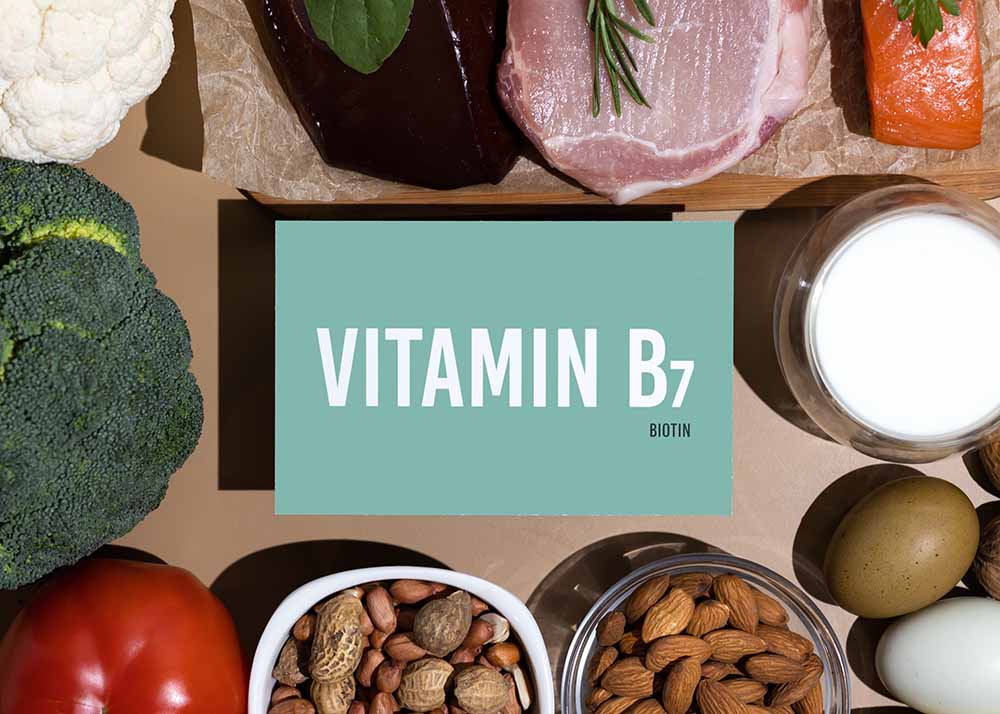
Benefits of Biotin Rich Foods
As a co-factor, biotin is required for the activity of enzymes that are responsible for the breakdown of carbohydrates, proteins and lipids. Gene expression, nervous system function, and the endocrine functioning of the pancreas, thyroid and adrenal glands are all improved as a result.
Patients with type 2 diabetes who take biotin and chromium picolinate together have a reduction in their fasting blood glucose. It has been shown that biotin may enhance the control of blood sugar by increasing the activity of the cells in the pancreas that produce insulin.
The ability of biotin to enhance the health of hair, nails and skin is a common selling point for the supplement. The American Academy of Dermatology says that consuming sufficient amounts of biotin via food or supplements may help improve nail care, as well as contribute to the development and thickness of hair.
Biotin is a vitamin that contains vitamin B7. An intensive study on the effects of biotin on the growth of hair and nails found ‘clinical improvement in those with insufficient hair or nail growth’ after taking biotin. However, there is not enough evidence to support the use of biotin supplements for the reasons stated above in people who are otherwise healthy.
Legumes
Although most legumes contain significant amounts of biotin, the finest sources are from peanuts and soybeans. Peas, for example, include biotin, which is one of the several vitamins that may be found in legumes.
Sweet Potatoes
Sweet potatoes, which are also an excellent source of vitamin C, are among the best vegetable sources of the B vitamin biotin. These foods are an excellent source of a variety of nutrients, including dietary fibre, vitamins, and minerals. In addition to this, they possess anti-inflammatory and antioxidant effects, making them a valuable source.
Nuts
Nuts are an excellent way to include protein, fibre, and healthy fats into your diet. The needs of the body are met every day by the biotin that can be found in nuts such as almonds, hazelnuts, and cashews. These nuts are also portable, making them an ideal snack food.
Bananas
The amount of biotin that is found in bananas is 0.2mcg per 100 gm. In addition to this, they contain a high quantity of carbohydrates and fibre, in addition to a number of advantageous minerals such as B vitamins, copper and potassium, all of which contribute to the broad list of advantages that they provide.
Other biotin-rich foods
Mushrooms
Having a high biotin concentration really protects mushrooms from parasites and predators. Many additional health advantages may be attributed to this fungi's abundance of nutrients. Vitamins and minerals, including selenium, magnesium, and antioxidants, are found in abundance in these mushrooms.
Broccoli
In addition to fibre, calcium, vitamins A and C, and a small amount of biotin, broccoli is a good source of biotin. There are 0.4 micrograms in a half-cup or 45 grams of raw, chopped broccoli.
Yeast
Both nutritional yeast and brewer's yeast contain a surprising quantity of biotin. Non-dairy cheese is commonly made using nutritional yeast, but you may also consume it as a supplement. Biotin may be found in up to 21 mcg per 16 gm of the product.
Salmon
Salmon is the greatest source of biotin in seafood. The biotin content of a cooked 3-ounce (85-gram) portion of salmon is 5 mcg.
Salmon is also rich in omega-3 fatty acids, which are beneficial for those who want to improve their hair health. Hair loss may be prevented by consuming healthy fats like these.
Tuna
The health benefits of canned tuna much outweigh the convenience. And it has a lot of biotin in it. The biotin content of an 85-gram (3-ounce) can of tuna packed in water is 0.6 mcg.
Canned tuna is also abundant in omega-3 fatty acids, protein, vitamin D, selenium, and iodine, making it a good source of these nutrients.
Spinach
Biotin is also abundant in spinach, which is another good source of the vitamin. The biotin content of 64 gm of boiling spinach, or about half a cup, is 0.5 mcg. Aside from its many health advantages, spinach also contains a significant amount of nutrients such as calcium, iron, folic acid, as well as vitamins A and C.
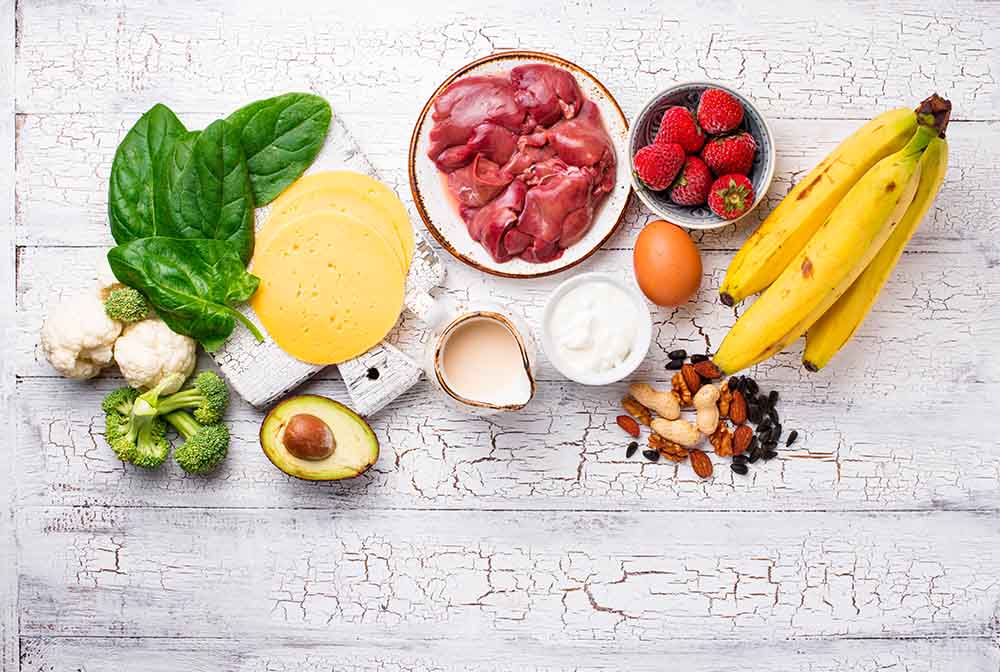
Dairy Products
A little amount of biotin may be obtained through milk, yoghurts and cheeses, which are all dairy products.
About 0.4 mcg of biotin is found in a 1-ounce 28-gram portion of cheddar cheese, 0.3 mcg in a 1-cup or 128-gram serving of 2 percent milk, and 0.2 mcg in 1 cup of plain yoghurt.
Vitamin D, calcium, potassium, and protein all come from these foods, as long as you don't suffer from a dairy allergy.
Meat
Biotin may also be found in certain types of meat. Cooked hamburger and pork chops are two examples.
Pork chop and hamburger meat provide 13 percent of the daily value (DV) for biotin when eaten in the same serving size of 3-ounces (85 grams).
Conclusion
Due to the fact that biotin is a member of the B vitamin family, there are a number of processes inside the body that may benefit from its presence. It is possible that biotin's capacity to nourish the cells of the body will be beneficial to the hair, skin, and nails.
A lack of biotin in the diet is quite unusual; nonetheless, taking a biotin supplement may assist you in consuming an adequate amount of this vital component on a regular basis.
FAQS
What are some of the potential risks associated with using biotin as a dietary supplement?
Although biotin supplements are safe for the great majority of individuals, a small percentage of those who use them may have adverse effects such as nausea, cramping and diarrhoea.
Is it possible to take in too much biotin if you eat a lot of foods that are rich in it because you want your hair to grow?
Due to the fact that biotin is water-soluble, an overdose is quite uncommon. If you do take too much, the excess will be eliminated via your urine if you do consume it.
When it comes to the growth of hair, how long does it take for meals rich in biotin to show results?
According to the findings of some research, the advantages such as improved hair growth and shine might take anywhere from 90 to 120 days to become noticeable.