Pain-Free Breastfeeding: Essential Tips For Moms To Find Relief

While breastfeeding is a great time to bond with your baby along with providing nourishment, what is seldom talked about is that breastfeeding a new-born hurts, especially in the beginning. But breastfeeding isn’t supposed to hurt and often, toughing it out can worsen the situation or cause health issues. The stinging pain in the breast while breastfeeding is mostly caused by cracked nipples, an incorrect latch, tongue and lip ties and blocked milk ducts.
But there are techniques mothers can adopt to alleviate the pain of breastfeeding and ensure a more enjoyable nursing experience.
Heal the nipple and areola
As if all the changes your body went through during pregnancy and birth weren’t enough, your first postpartum week brings even more changes that can directly affect the skin around your nipple and areola. You can use breast milk to treat mild nipple pain. The sugars found in breast milk have natural antibacterial properties. Applying a small amount to the nipple and areola after breastfeeding and allowing it to air dry provides a moisturising barrier, wards of infection and won’t upset your baby’s sensitive stomach. Avoid using soap or harsh chemicals on your breasts, as they can dry out the skin and increase soreness.

Perfect the latch technique
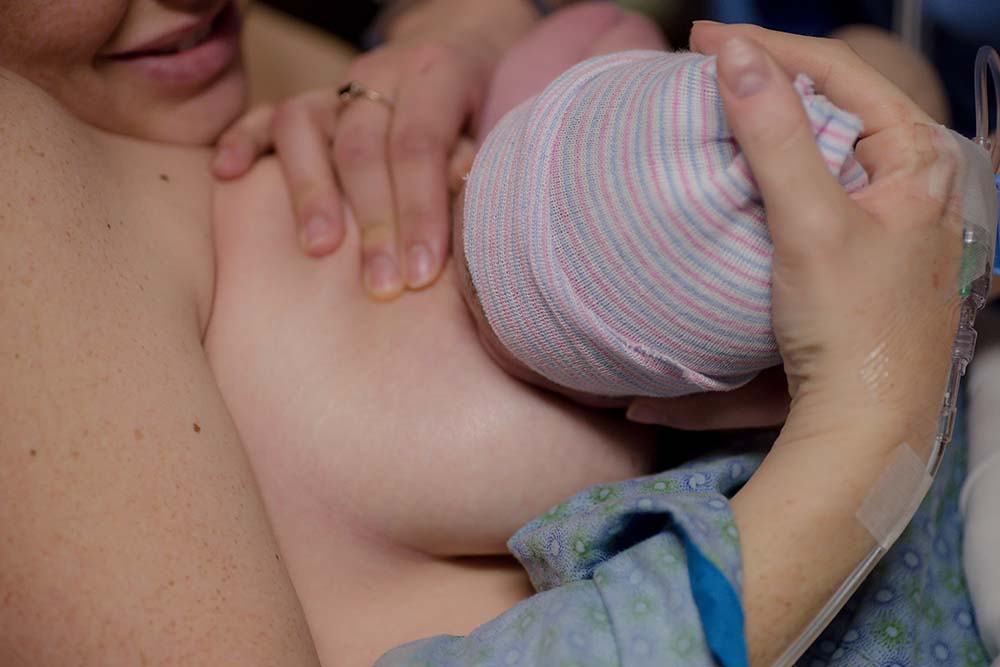
In case your skin is not sore or broken and yet you feel the pain, it could be because of incorrect latch. It is one of the primary causes of breastfeeding pain. Ensure your baby latches onto your breast correctly, with their mouth covering a large portion of the areola rather than just the nipple. A poor latch causes your baby to grab onto your nipple shaft, making it frustrating for the baby and painful for the mother.
One way to find out if the latch is incorrect is the way the nipple looks – if it’s creased or pointy, and feels tender after the baby releases it, it may not be right. Seek guidance from a lactation consultant or a healthcare professional to ensure a proper latch technique.
Avoid engorgement
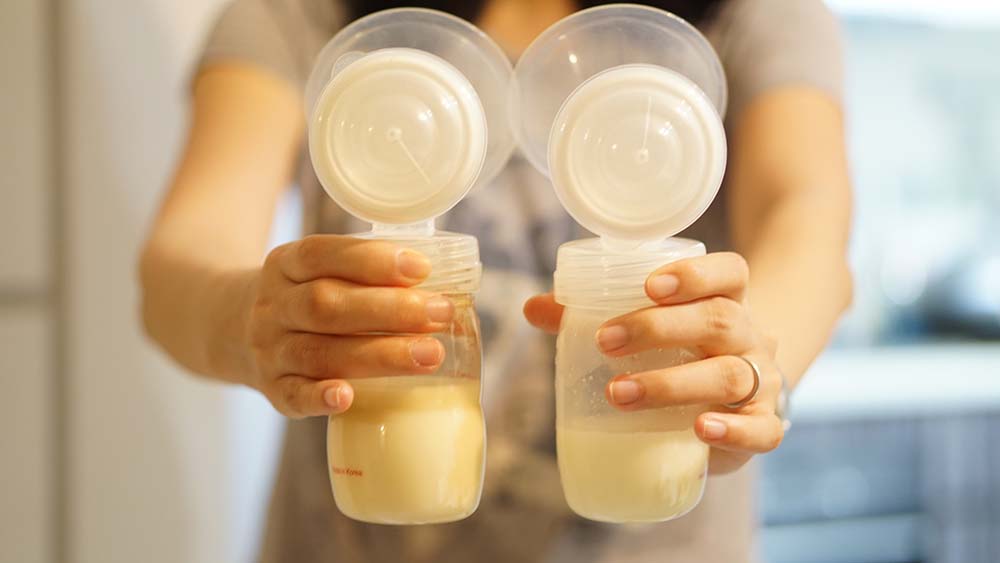
Engorgement happens when your breasts are too full. They will feel firm and tender, and may also leak, causing discomfort and making breastfeeding more challenging. To relieve engorgement, apply warm compresses or take a quick warm shower before nursing to help milk flow more easily. Gently massaging your breasts and expressing a small amount of milk by hand can also help soften the breast before latching your baby. It's also wise to keep a breast pump to express any excess milk and prevent discomfort from engorgement.
Cold therapy
Cold compresses can offer immediate relief for sore and inflamed breasts. Applying a cold pack after feeding can help reduce swelling and alleviate pain. Remember to always use a cloth or towel as a barrier between the cold pack and your skin to prevent discomfort or frostbite.
Frequent feeding
Feeding your baby often prevents engorgement. Since breast milk is easily digested and passes through the baby’s system quickly, the baby won't be too hungry, resulting in a more relaxed breastfeeding experience for both child and mother.
To minimise breastfeeding pain, it's recommended that your baby consumes eight to 12 times within a 24-hour period. Establishing a regular feeding schedule, with sessions scheduled every 2.5 to three hours, helps keep your baby satisfied and your breasts comfortable. Before breastfeeding, expressing a small amount of milk can soften your nipples, making it easier for your baby to latch.
Find a comfortable position
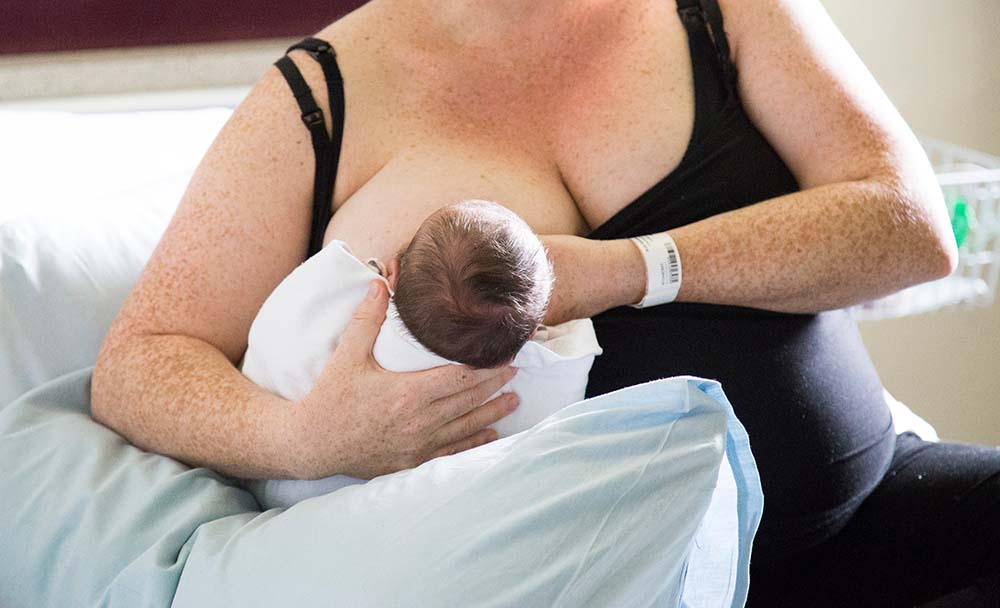
Experiment with different breastfeeding positions to find the one that works best for the mother and the baby. Common positions include the cradle hold, football hold, side-lying position, or laid-back nursing. Use pillows or a nursing pillow to support the baby's weight and bring them closer to the breast, reducing strain on the arms, shoulders and back.

 home
home HERoes
 StrongHER
 exclusive
 bizruptors
 connect
 showcase
 engage
 grow
grow goals
goals period goals
 fertility and pregnancy goals
 diet and fitness goals
 finance goals
 help
help contest
 about us


