Expert Talk: Everything You Need To Know About Post-Partum Depression

There is no denying that motherhood is a life-altering experience. While the joy of stepping into this phase is unparalleled, experts suggest that feeling overwhelmed is commonplace. But, what if this sentiment doesn’t leave your side for months on end? It is possible that you are suffering from post-partum depression.
It’s important to be aware that post-partum depression is not only associated with feeling overwhelmed or anxious. It’s a complex condition that is best dealt with the help of a medical practitioner. Let’s break it down to understand its complexities.
Experts opine that post-partum depression is a mood disorder which goes well beyond regular mood swings. It involves a persistent low mood coupled with extremely low energy levels. In some cases, it can even interfere with one’s ability to function or take care of their baby. It can happen to first-time mothers or to those who have given birth before. With almost 15 per cent of births affected with post-partum depression, it is a fairly common condition, and can be treated if diagnosed at the right time.
According to Dr Shambhavi Jaiman, Consultant Psychiatrist at Sukoon Health, Gurgaon, the common signs of post-partum depression include: low or irritable mood, decreased interest in pleasurable activities like their usual hobbies, or difficulty in bonding with the newborn, decreased energy levels, changes in appetite, insomnia, suicidal thoughts, or negative thoughts regarding the baby and its health. “These symptoms start showing either during pregnancy or within four weeks of delivery. Typically, those who have a history of post-partum depression in the family, or have significant psychosocial and interpersonal difficulties in terms of relationships, are most likely to show the signs of post-partum depression. This, in turn, can escalate to other major depressive or bipolar disorders, if not diagnosed in due time,” she says.
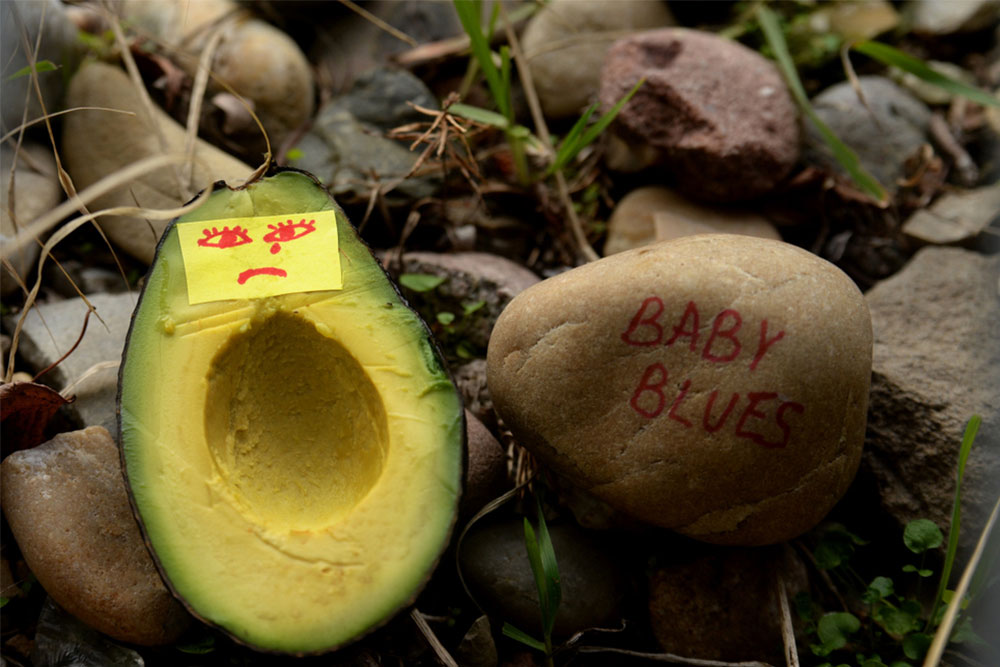
Post-partum depression ranges from post-partum blues, a mild condition, to post-partum psychosis, the most severe of all perinatal mood disorders (depression which occurs during pregnancy or after delivery). Dr Jaiman elaborates, “Post-partum blues involve rapid mood shifts and temporary symptoms of depression, which can get better on their own in most cases. Post-partum psychosis is characterised by disorganised behaviour and rapid shifts from excited to inhibited motor states (confusion to lucidity, and anxiety or paranoia, to happiness). Auditory and visual hallucinations, delusions, and disorientation are also common in this state. This is most commonly treated with medication.”
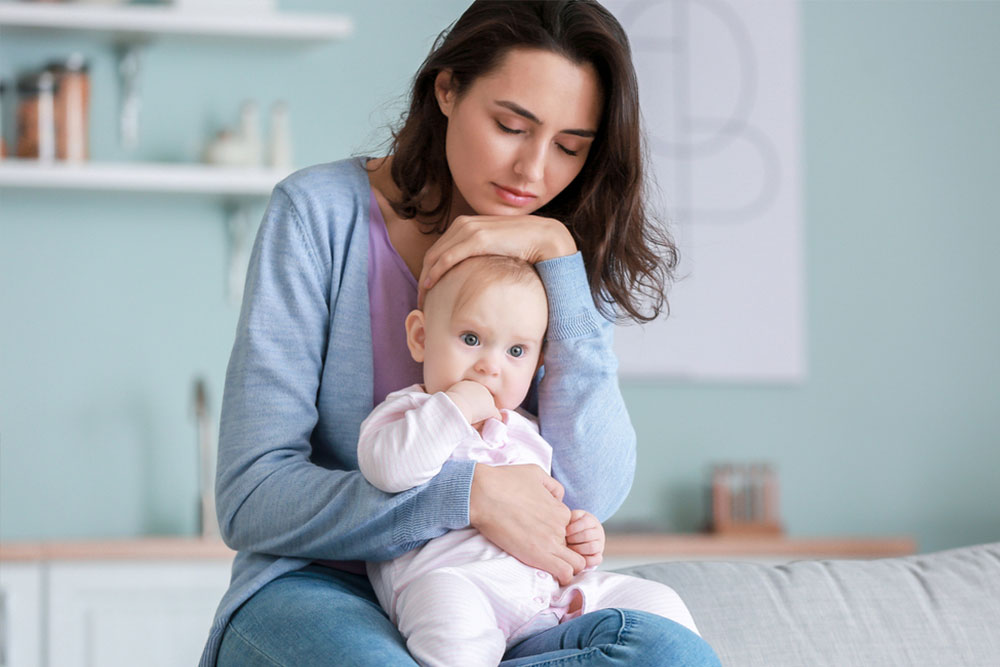
Addressing the treatment options in such conditions, Dr Jaiman explains, “Depending on the severity of the symptoms, post-partum depression can be treated with both therapy and medication, or just therapy such as support groups, Cognitive Behaviour Therapy (to help you change the way you think), and psychotherapy, among others. For women who are breastfeeding, the most commonly prescribed medications are Selective Serotonin Reuptake Inhibitors (SSRI), which help release the ‘feel good’ hormone, also known as serotonin. It is advised that pregnant women/ new mothers/experienced mothers consult a gynaecologist (who can they refer them to a psychiatrist) or a psychiatrist as soon as they start noticing significant changes in their moods and behaviour during pregnancy or within four weeks post-delivery.”
Doctors also advice self-care practices that go a long way in dealing with post-partum depression. Following a routine; adequate amount of sleep, moderate intensity exercise, healthy diet, and speaking to your close friends or family members are a few general practices that can keep physical and mental health in check.

Trivia: Did you know that new fathers, too, can suffer from post-partum depression? Studies show that 1 in 10 men around the world suffer from the condition. Hormones play an important role here as the testosterone dips post the birth of the baby. However, why this happens is yet to be established. The treatment options in such cases remains the same. Dr. Jaiman explains, “As in the case of mothers, post-partum depression in men can be treated with therapy or medication (SSRIs).”

 home
 HERoes
 StrongHER
 exclusive
 bizruptors
 connect
 showcase
 engage
 grow
 goals
 period goals
 fertility and pregnancy goals
 diet and fitness goals
 finance goals
 help
 contest
 about us


