Is Eco-Anxiety Real?

If the negative impact of climate change is affecting you to levels of extreme worry and anxiety, here’s what you need to know!
What Is Eco Anxiety?
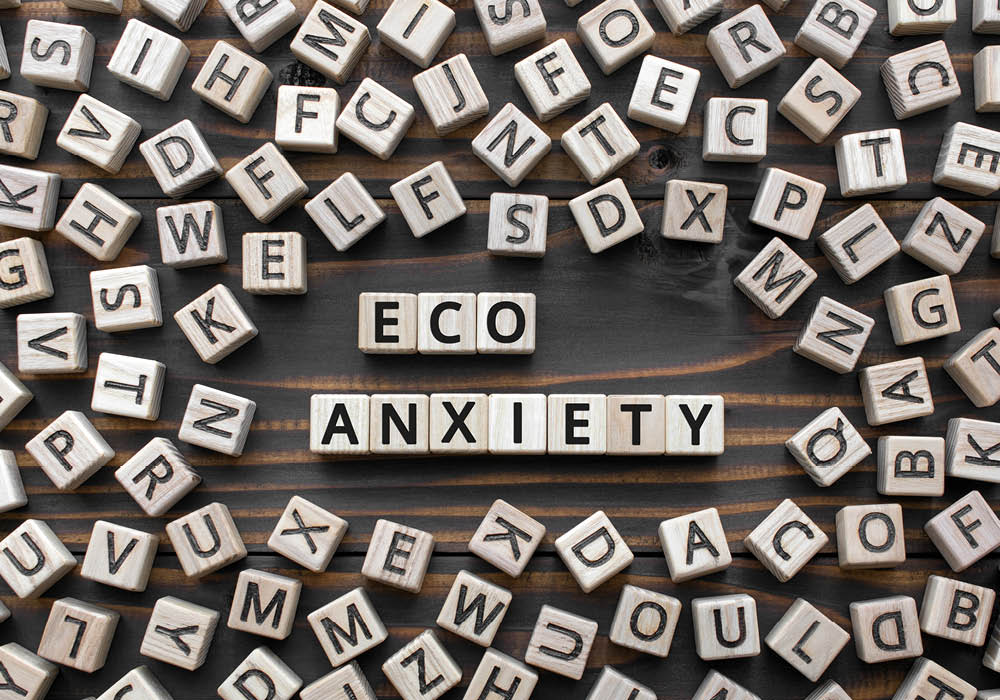
Eco-anxiety refers to a fear of damage or possibly irreparable damage to the environment or ecology. Psychologists at the American Psychological Association (APA) define eco-anxiety as “a chronic fear of environmental doom.” A 2020 study published in the Journal of Environmental Psychology also summarises eco-anxiety as, “negative emotional responses associated with awareness of climate change” that include “cognitive and functional impairment factors.” This sense of anxiety is often based on the environment and human-induced climate change as well as the current and predicted future state of the same.
Signs You Have Eco-Anxiety
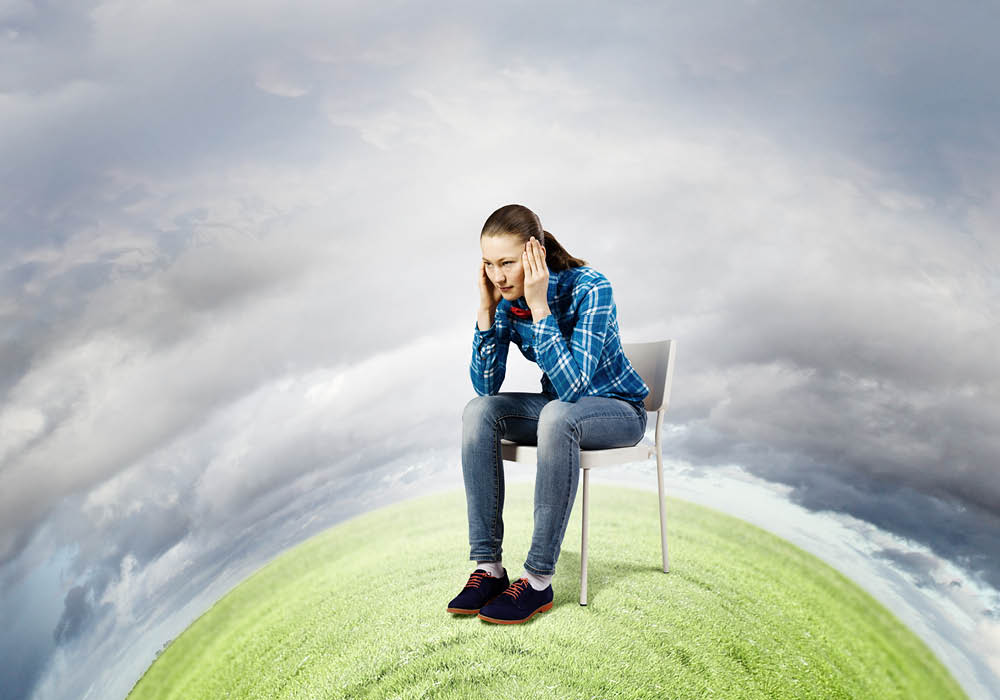
While eco-anxiety may feel a lot like anxiety, the former is often caused specifically sure to climate change-induced stress and feels a lot more existential. You may feel:
- Anger or frustration
You could feel either or both towards individuals around you who don’t particularly acknowledge climate change.
- Existential or Fatalistic Thinking
Your thought processes could make you feel like everything is headed for doom. On the other hand, you could find yourself questioning the value or meaning of life altogether.
- Grief
Much like many deeply moving events that cause grief, the loss of natural ecosystems or wildlife could cause you more grief and sadness than you could be equipped to handle.
- Post-Traumatic Effects
While eco-anxiety can be existential, you could have faced an event first-hand caused by climate change that could be causing post-traumatic stress.
- Obsessive Behaviour
Make sure you’re aware of any obsessive behaviour or thoughts related to climate change
- Guilt
Your own carbon footprint or that of those around you could be causing feelings of guilt or shame
How To Cope With Thoughts Of Eco-Anxiety
Take Action
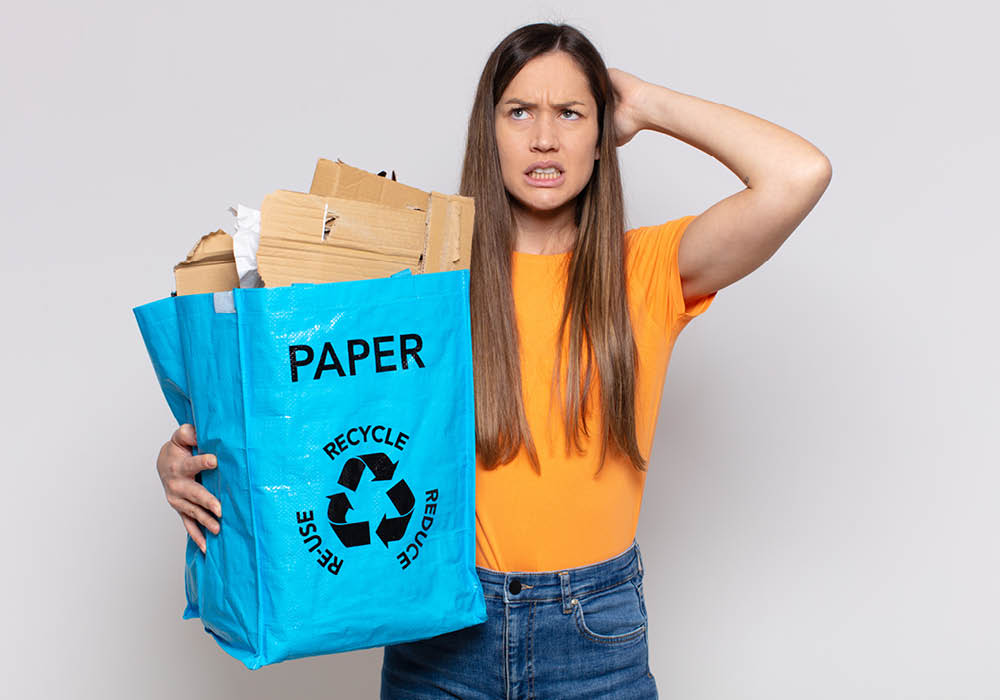
While eco-anxiety must be causing you stress over something much larger than yourself, much like with climate change, feelings of eco-anxiety can be helped by making climate-positive changes in your life itself. It could be as small as avoiding plastic in regular life or even using a shared commute, but making yourself see how you can limit your carbon footprint can help.
Get Help
A lot can be helped by making positive changes in your life one day at a time. However, if feelings of eco-anxiety are feeling too severe, or you’re going through post-traumatic stress, make sure to get help from a mental health professional.
Know More
Get educated on what exactly you can do to help, as well as how dire the climate change problem really is. You might be comforted to know that maybe not all is as bad as you thought. Know more about organisations making a positive change in the environment and maybe try to volunteer to make your contribution as well.
Limit News/Information Intake
Exhibiting self-control in what kind of information and how much of it you consume can make a difference in the anxiety you experience. Make sure you don’t rewatch the same piece of news or distressing information over and over again.

 home
home HERoes
 StrongHER
 exclusive
 bizruptors
 connect
 showcase
 engage
 grow
grow goals
goals period goals
 fertility and pregnancy goals
 diet and fitness goals
 finance goals
 help
help contest
 about us


