home
home HERoes
 StrongHER
 exclusive
 bizruptors
 connect
 showcase
 engage
 grow
grow goals
goals period goals
 fertility and pregnancy goals
 diet and fitness goals
 finance goals
 help
help contest
 about us


What Rural Women In Himachal Pradesh Tell Us About Agency, Aspiration And Change
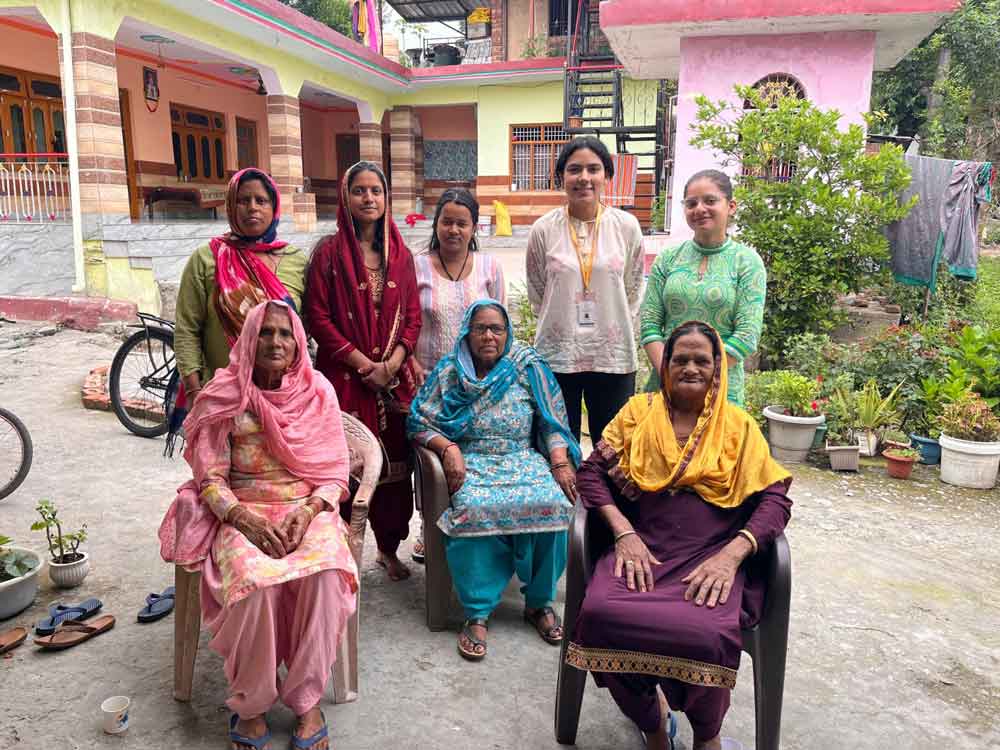
Released in August 2026, the Rural Women’s Agency & Inclusion Assessment Report 2026 is an independent study by the Enlightened India Foundation (EIF), a women-led nonprofit organisation based in Himachal Pradesh. Conducted by a team of young local women researchers, the study offers an important snapshot of women’s lives in rural Kangra, examining household decision-making, mobility, safety, digital inclusion, early marriage and aspirations for girls.
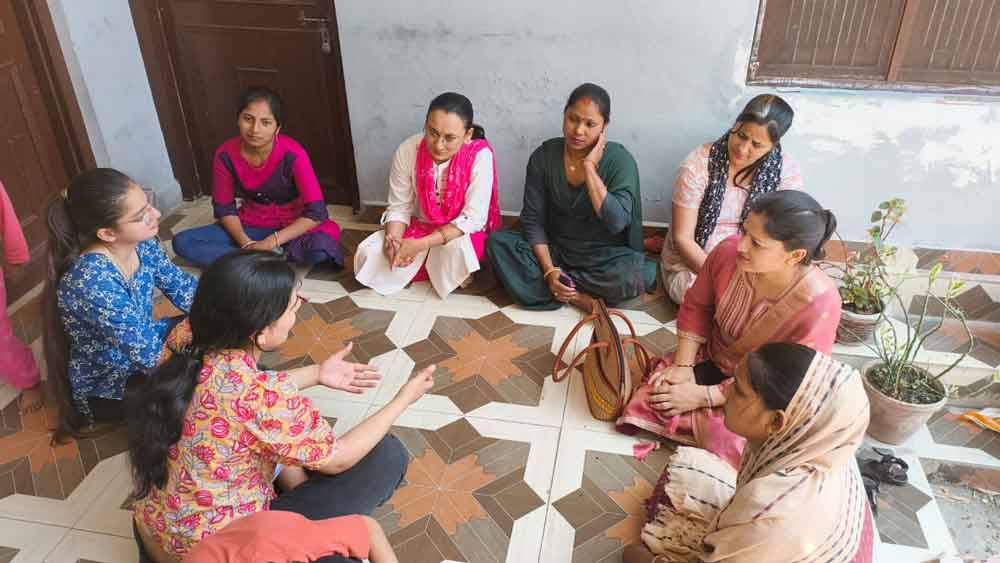
Rather than studying rural women from a distance, EIF placed local women at the centre of the research process itself. Their field-based conversations captured not just statistics, but lived experiences and voices that are often absent from policy discussions. The findings have already been shared with district and state authorities in Himachal Pradesh such as the Directorate of Women & Child Development, the Hon’ble Chief Secretary of Himachal Pradesh, the Rural Development Department, and the Department of Social Justice & Empowerment for information and necessary action.
The Gap Between Voice And Agency
One of the report’s most striking findings concerns the distinction between being heard and having influence. An overwhelming 96 per cent of women surveyed said they could express their opinions within the household. At first glance, this appears encouraging. However, only 42 per cent reported participating in household financial decisions.
This gap indicates that having a voice is not the same as having agency. Listening to a woman does not necessarily mean including her in decisions about savings, investments, land, education expenses or livelihoods. Across India, women’s empowerment has often been measured through participation in self-help groups, access to banking or educational attainment. But this study reiterates that true empowerment also depends on who holds economic power within families.
Practical Aspects
Nearly 70 per cent of respondents owned both a smartphone and a bank account, an indication of expanding access to technology and formal financial systems. Yet only 14 per cent used digital payment platforms. Ownership of technology does not automatically translate into confidence, skills or independent use. Women may possess smartphones but rely on family members for transactions, lack digital literacy or feel uncertain about online systems. As India rapidly digitises services, welfare delivery and financial transactions, bridging this gap will require training and supportive local ecosystems that encourage women to use technology confidently and safely.
Mobility and safety emerged as another area where women’s experiences remain constrained. More than half of respondents expressed discomfort about travelling independently to public places, while 87 per cent preferred not to step out after early evening because of safety concerns. Whether in cities or villages, women’s freedom is often shaped by concerns about safety, social expectations and limited public infrastructure.
The Positive Side
At the same time, the report points to meaningful generational progress. Child marriage (below the age of 18) has declined significantly compared to earlier generations, reflecting positive shifts in awareness and education. Even so, 55 per cent reported marrying at or before the age of 21. While legal reforms and social campaigns have made an impact, early marriage remains part of the rural social landscape. Marriage timing influences educational attainment, employment opportunities and women’s long-term autonomy.
The most hopeful finding in the report relates to aspirations for girls. Every woman surveyed agreed that girls should enjoy the same opportunities as boys. Many imagined futures for daughters that include education, employment and marriage, reflecting a more expansive vision of womanhood than previous generations may have experienced.
The work of the Enlightened India Foundation (EIF) demonstrates why grassroots research is so important. Established in 2021, EIF works to strengthen rural education, local governance, and women's leadership through community-led research, learning initiatives, and policy engagement. Its work helps communities identify local challenges, build leadership, and develop practical solutions. By partnering with schools, village institutions, government stakeholders, and rural communities, EIF seeks to ensure that local voices and lived experiences inform development practice and public policy.