
 home
 HERoes
 StrongHER
 exclusive
 bizruptors
 connect
 showcase
 engage
 grow
 goals
 period goals
 fertility and pregnancy goals
 diet and fitness goals
 finance goals
 help
 contest
 about us


Sweet And Healthy Sugar Alternatives: Local Indian Jaggeries You Must Try

Jaggery, or gur, has been a staple in Indian kitchens for centuries. Unlike refined sugar, which is heavily processed and stripped of nutrients, jaggery retains its natural minerals, making it a healthier alternative. Different regions of India produce their own unique varieties, each with a distinct flavour, texture, and nutritional profile. If you're looking to swap refined sugar for a more wholesome sweetener, here are six Indian jaggeries you must try—along with how they compare in terms of blood sugar impact.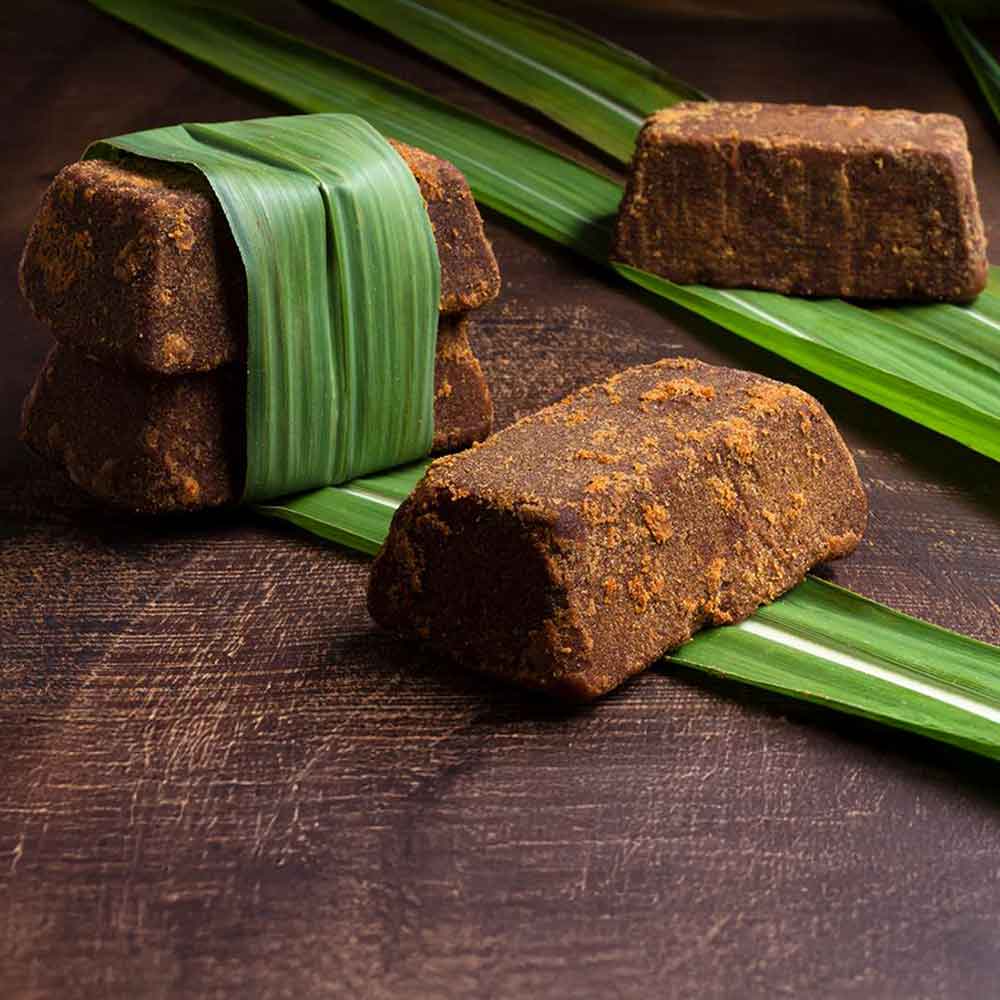
1. Coconut Jaggery (Nariyal Gur)
Best for: A mild caramel-like sweetness with a hint of coconut.
Rich in: Iron, magnesium, and antioxidants.
Made from the sap of coconut palm trees, coconut jaggery has a softer texture and a unique nutty sweetness. It’s commonly used in South Indian desserts like payasam and can be a great natural sweetener for tea or coffee.
🔹 Lower Glycaemic Load: Coconut jaggery has a glycaemic index (GI) of 35-40, compared to refined sugar's 65-70 mmol, making it a gentler option for blood sugar levels.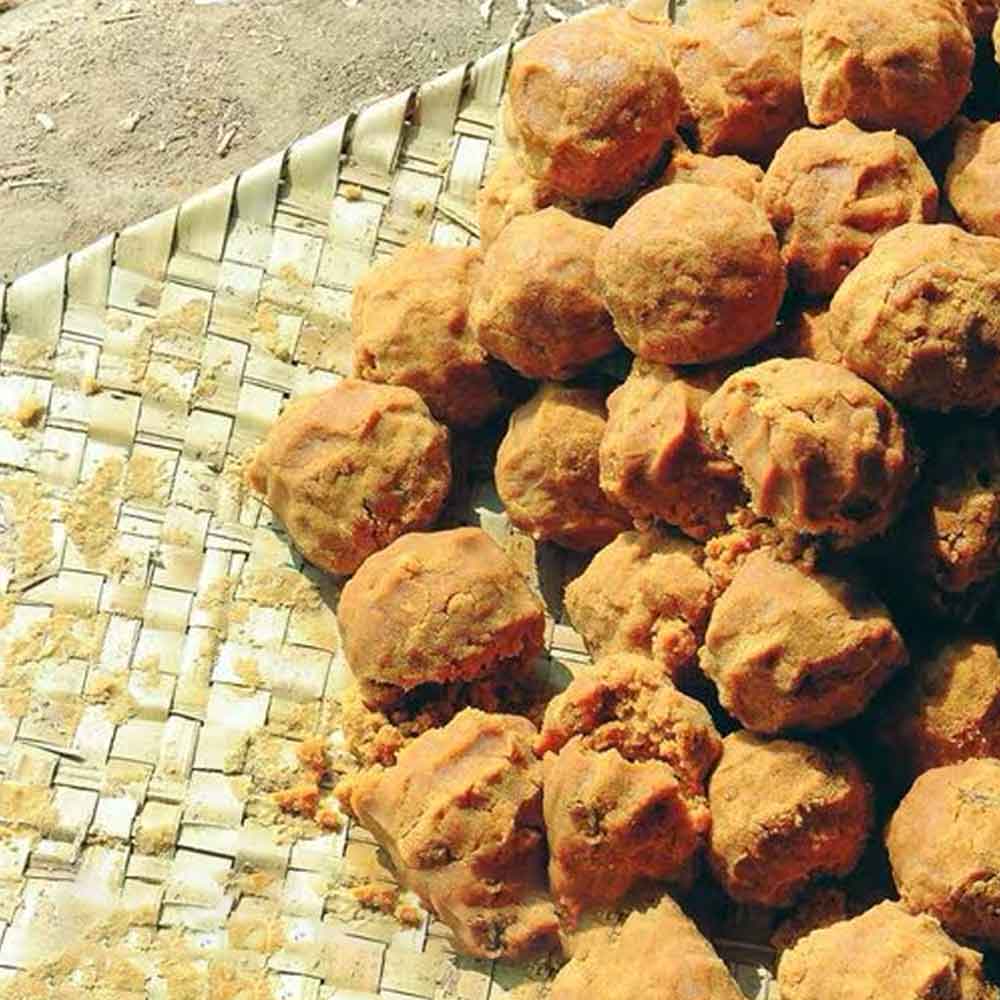
2. Marayoor Jaggery
Best for: Those who love traditional sugarcane jaggery but want something even purer.
Rich in: Calcium, phosphorus, and essential minerals.
This famous Kerala-based jaggery is made using traditional techniques, ensuring minimal processing and no added chemicals. It has a deep, earthy sweetness and is often used in Kerala’s special jaggery-based sweets like sharkara varatti (banana chips coated in jaggery).
🔹 Lower Glycaemic Load: Marayoor jaggery has a GI of around 50-55 mmol, making it a healthier choice than refined sugar.
3. Nolen Gur (Date Palm Jaggery)
Best for: A rich, smoky, and aromatic sweetness.
Rich in: Iron, potassium, and B vitamins.
A winter delicacy from Bengal, Nolen Gur is made from the sap of date palm trees and has a beautiful golden-brown colour with a melt-in-the-mouth texture. It’s famously used in Bengali sweets like Nolen Gur Sandesh and Patishapta (stuffed crepes).
🔹 Lower Glycaemic Load: Nolen Gur has a GI of approximately 40-45 mmol, making it much lower than refined sugar.
4. Tal Gur (Palmyra Jaggery)
Best for: Those looking for a mineral-rich alternative to white sugar.
Rich in: Zinc, iron, and fibre.
Popular in Tamil Nadu and Odisha, Tal Gur is derived from the sap of palmyra palm trees. It’s naturally cooling and is often used in summer drinks like pana (Odisha’s jaggery-based summer drink) and sweets like palm jaggery pudding.
🔹 Lower Glycaemic Load: Tal Gur has a GI of around 35-40 mmol, making it an excellent low-GI option for those watching their blood sugar levels.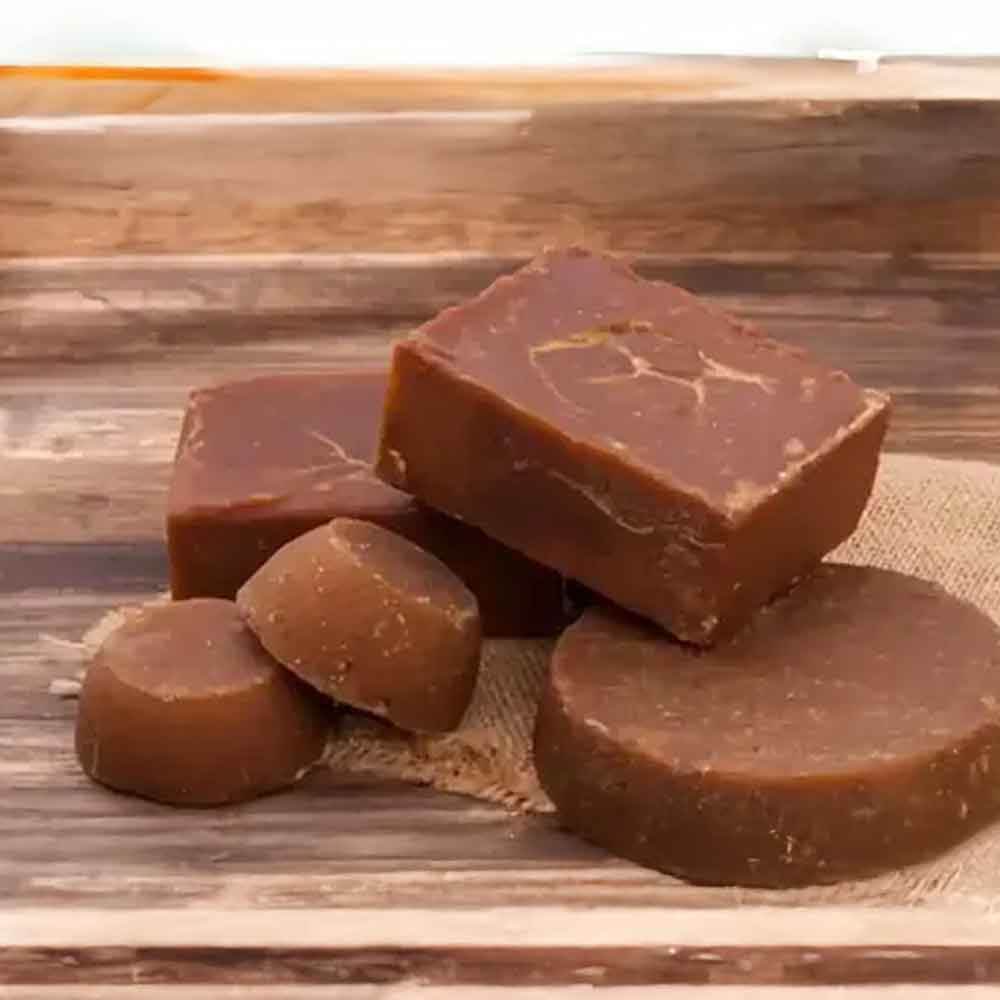
5. Sugarcane Jaggery (Gud/Gur)
Best for: A traditional, naturally sweet option for everyday use.
Rich in: Calcium, iron, and antioxidants.
The most commonly used jaggery in India, sugarcane jaggery is made by boiling down sugarcane juice until it solidifies into blocks. It’s widely used in Indian sweets, from gur roti in Punjab to tilgul laddoos in Maharashtra.
🔹 Lower Glycaemic Load: Regular sugarcane jaggery has a GI of about 50-55 mmol, which is significantly better than refined sugar but still to be consumed in moderation.
6. Goa’s Black Jaggery (Muscovado Jaggery)
Best for: Those who love deep, molasses-like flavours.
Rich in: Magnesium, potassium, and antioxidants.
Goan black jaggery, also known as muscovado jaggery, is a darker, richer version of regular jaggery. It has a bold, almost chocolatey taste and is widely used in Goan desserts like bebinca (layered coconut cake) and dodol (sticky rice pudding).
🔹 Lower Glycaemic Load: Black jaggery has a GI of 45-50 mmol, which is lower than refined sugar and contains more minerals and nutrients.