New Blood Test May Predict When A Woman Will Go Into Labour
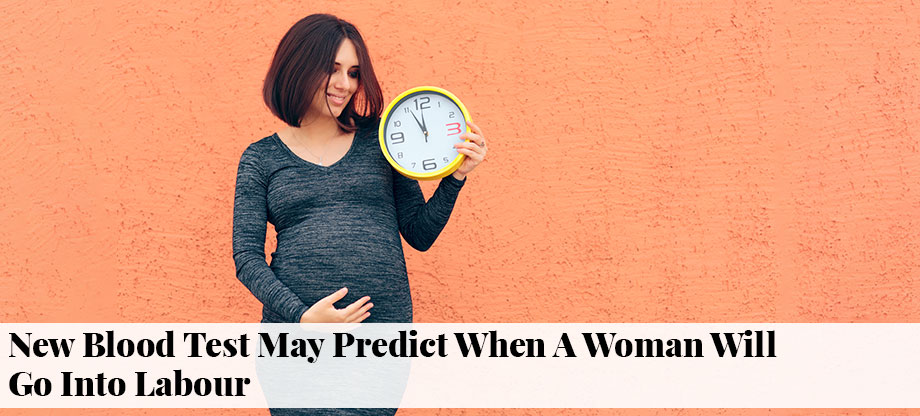
It’s no secret that pregnancy and parenthood are wonderful experiences, particularly for those women who choose to go the family way. However, one of the biggest concerns most women have is labour—especially when they’ll give birth and whether they’re ready or not to deal with the birthing process. But, there may be a day in the near future when a simple blood test can help women get a more precise indication on when to expect their little bundle of joy.
As a practice, women are given a due date that is 40 weeks from the first day of their last period. This provides them a general idea about when to expect the baby. However, predicting when the baby will arrive is not an exact science, seeing as some tend to go into labour before or after their due date. For the latter, labour may even have to be induced.
Stanford University researcher, Ina Stelzer, along with her colleagues, are investigating a new method that involves measuring how the body responds to signals from the foetus, and prepares for labour. “The blood shows that birth is approaching,” she says.
For their research, Stelzer and her team took blood samples from 53 pregnant women to test under various parameters. Samples were collected anywhere from one to three times over their estimated last 100 days of pregnancy. The team then looked at nearly 5000 bio-chemicals and carried out more than 2000 tests on immune cells in their blood.
The aggressive testing revealed that two to four weeks prior to giving birth, there was a change in the women’s hormone patterns and a fall in inflammatory immune cell activity. This was reflected by changes in the blood biomarkers.
The team then built a prediction model using 45 of the biomarkers, and tested this on a further 10 women. Testing revealed a probable delivery date within 17 days of their actual date, either before or after, for each of the 10 women. Stelzer believes that as more women are tested, the model will become more accurate. However, the team is yet to test this model for multiple pregnancies and pregnant trans men.

 home
home HERoes
 StrongHER
 exclusive
 bizruptors
 connect
 showcase
 engage
 grow
grow goals
goals period goals
 fertility and pregnancy goals
 diet and fitness goals
 finance goals
 help
help contest
 about us


