
 home
home HERoes
 StrongHER
 exclusive
 bizruptors
 connect
 showcase
 engage
 grow
grow goals
goals period goals
 fertility and pregnancy goals
 diet and fitness goals
 finance goals
 help
help contest
 about us


Meet India's First Woman IFS Officer: Chonira Belliappa Muthamma
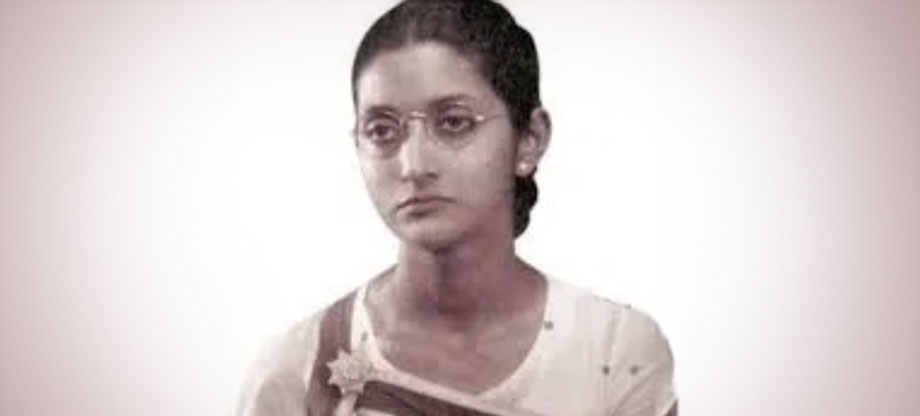
At a time when most Indian women couldn’t even consider entering the foreign services, this brave woman from Kodagu didn’t just pass the UPSC examinations in 1948; she stood up against gender bias and went on to become India’s first female ambassador.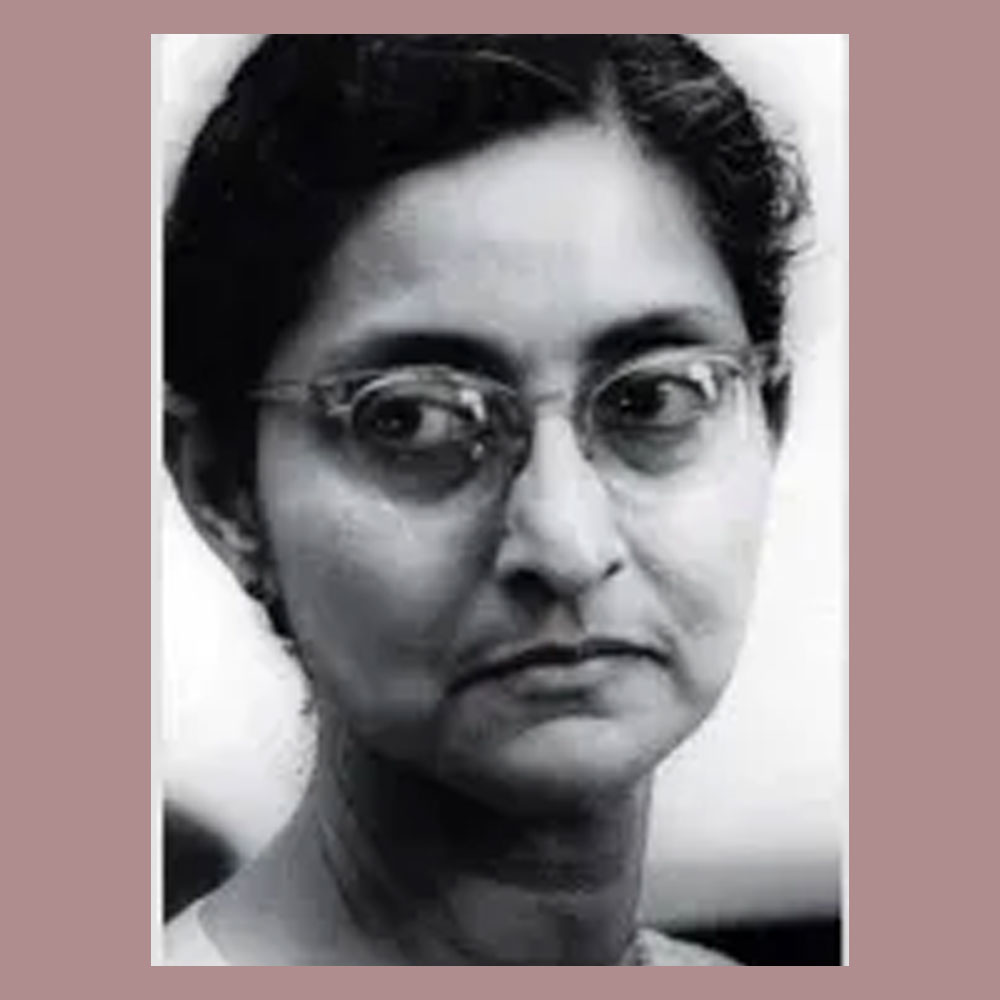
Born in 1924 in Virajpet, Karnataka, Muthamma faced hardship early on when she lost her father, a forest officer, at just age nine. Raised by her mother, she attended St Joseph’s Girls School in Madikeri and later graduated with top honours from Women’s Christian College in Chennai. After completing her postgraduate degree in English Literature at Presidency College, she decided to take the UPSC examinations, and became the first Indian woman to pass them.
Even with her impressive results, the board interviewing her for the IFS discouraged her, claiming that the service was ’not suitable for women’. However, Muthamma was determined. She made a compelling case for herself and successfully joined the IFS in 1949, making history as the first woman to do so. Unfortunately, she had to sign a declaration stating she would resign if she married. Thankfully, this rule was changed after a few years.
Muthamma’s career spanned several decades, during which she held various roles across Europe, Asia, and Africa. Despite her achievements, she faced gender bias and was often overlooked for ambassador positions.
Not one to accept unfair treatment, Muthamma took a bold step by filing a petition with the Supreme Court, arguing that she had been unjustly denied a promotion. She pointed out that the rules for women in the service were discriminatory. The government contended that if women ambassadors married, there was a risk of leaking confidential information. The court questioned why male ambassadors wouldn’t pose the same risk if they married.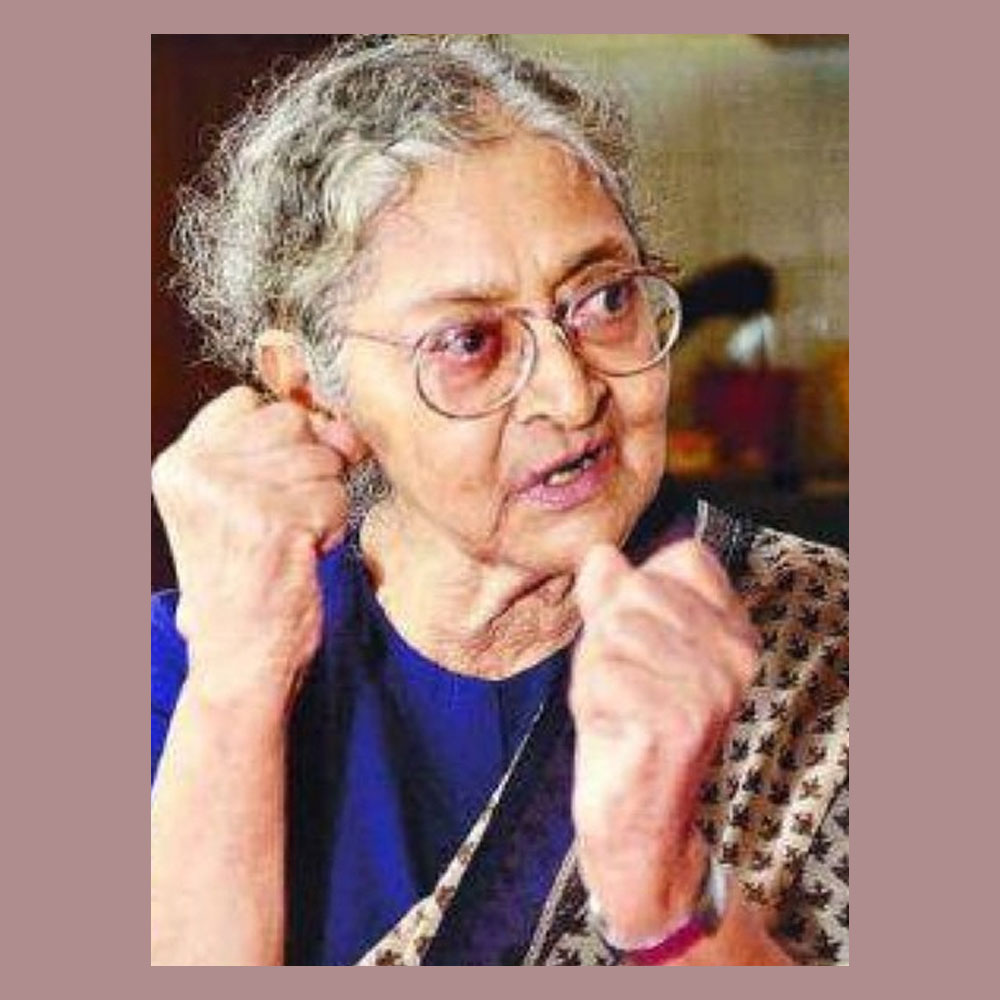
In a landmark ruling in 1979, the Supreme Court, led by Justice VR Krishna Iyer, agreed with Muthamma, striking down the unfair rules governing women in the foreign service. The court also urged the Indian government to revise all service rules to eliminate gender discrimination.
Following this ruling, Muthamma was appointed as India’s Ambassador to Hungary, becoming the first woman in the service to hold such a prestigious position. She later served in Ghana, with her final posting as Ambassador to the Netherlands. After 32 years of exemplary service, she retired from the IFS in 1982, having broken barriers for future female diplomats.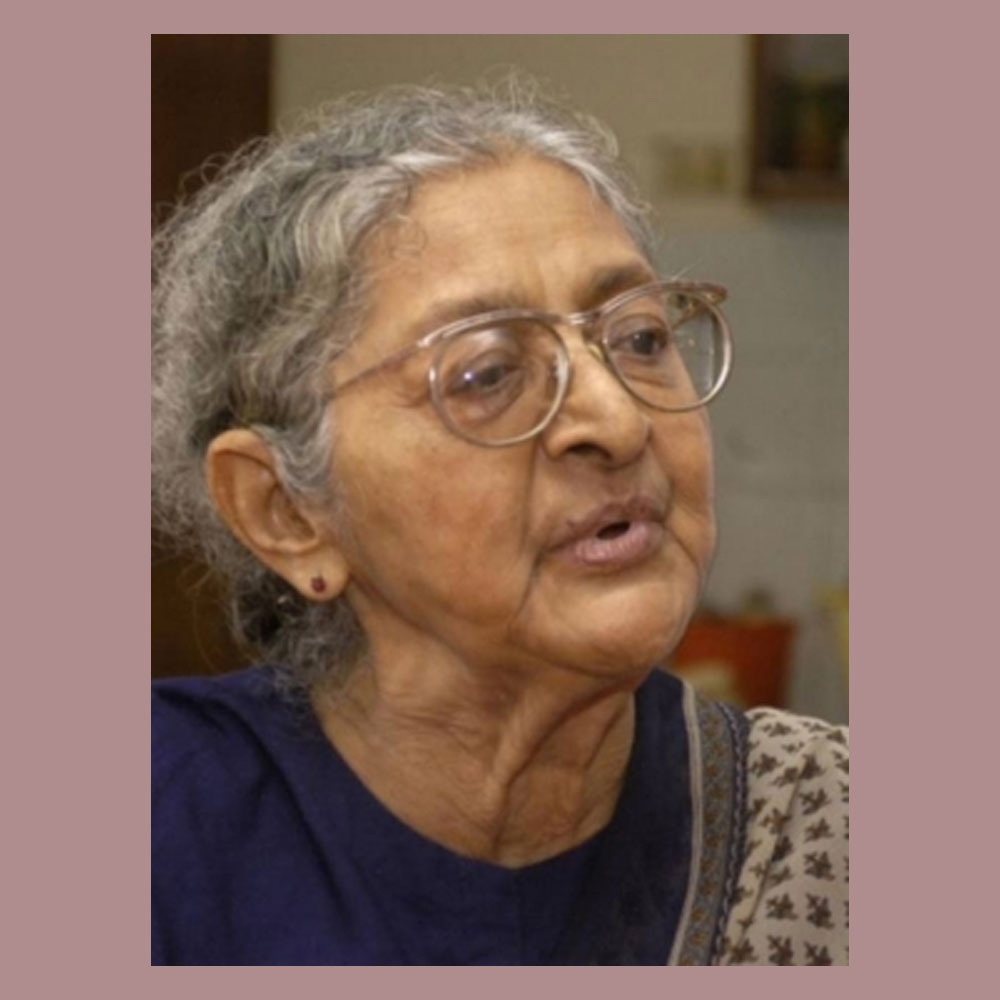
Even after retiring, Muthamma remained active in various roles. She was appointed as the Indian member of the Independent Commission on Disarmament and Security Issues, established by then-Swedish Prime Minister Olaf Palme. Muthamma also authored several works, including a cookbook on Kodava cuisine and a collection of articles titled ’Slain by the System: India’s Real Crisis.’