Matriarchal Societies In India You Must Know About

Ever imagined a world where women and men swapped traditional roles? While it might sound utopian, such societies do exist, offering a glimpse into this possibility.
However, calling these societies "matriarchal" might be an overstatement. What truly shifts power to women is their matrilineal system of inheritance, where property and assets are passed down from mother to daughter.

The Khasi People of Meghalaya
The Khasi community in Meghalaya, located in northeastern India, is the largest matriarchal society in the country. The Khasis follow a matrilineal system where children take their mother’s surname, and daughters inherit family property. Families follow a matrilocal tradition, meaning children stay with their mother’s family no matter how many times a woman marries. This eliminates the concept of illegitimacy. While fathers are important for the family’s well-being, both men and women are seen as equals, with men acting as protectors and women as the family’s caretakers.
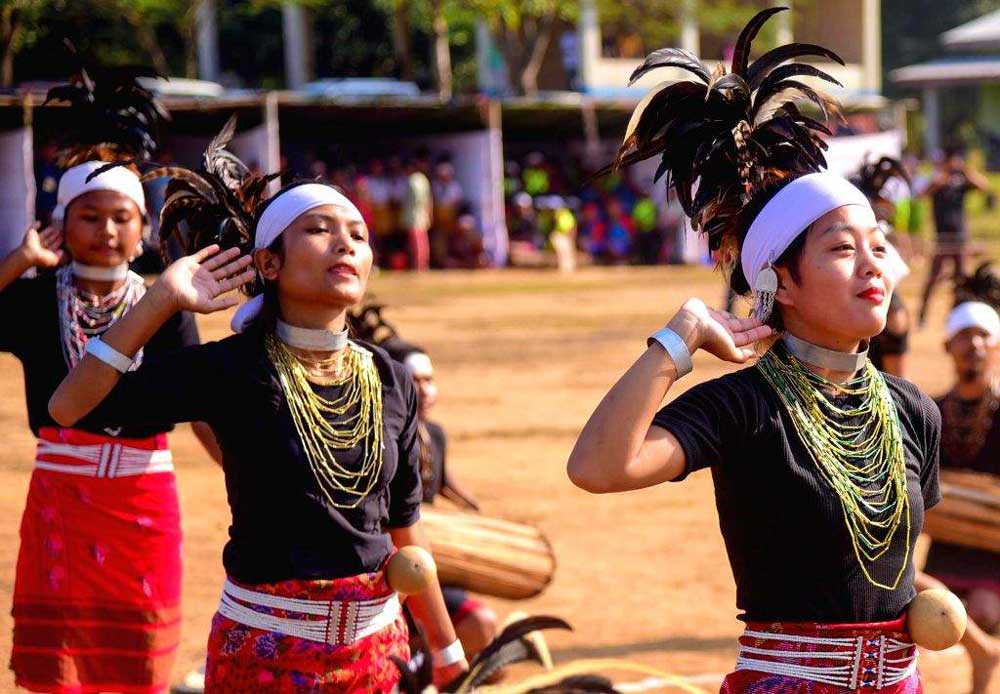
The Garo Tribe
The Garo tribe, neighbours to the Khasis, also follow matrilineal traditions. In Garo households, mothers lead the family while fathers provide for them. Children inherit their clan name from their mother, and the youngest daughter, known as the nokme-chik, inherits the property. Sons are sent to a village dormitory for training during adolescence. After marriage, a man moves into his wife’s home. Women own property, but men manage it and make key decisions.
The Nairs of Kerala
In Kerala, a state known for its high literacy rate and gender equality, the Nairs historically followed a matrilineal system. Families were led by the eldest woman in a household called a Tharavad. Husbands often lived separately and were not very involved in raising children. Children inherited their mother’s property and name. The family’s eldest man, called the Karnavan, handled the property and took care of the younger members.
The Ezhavas of Kerala
The Ezhavas, another matrilineal community from Kerala, had different traditions depending on the region. In northern Malabar, they followed a matrilineal system but lived with the father’s family. In north Travancore, families followed a matrilocal tradition where property stayed with the mother’s side. Even though women seemed to have power, the family’s Karnavan often held the most authority. Over time, this system has declined, but it has left behind a culture of respecting gender equality.
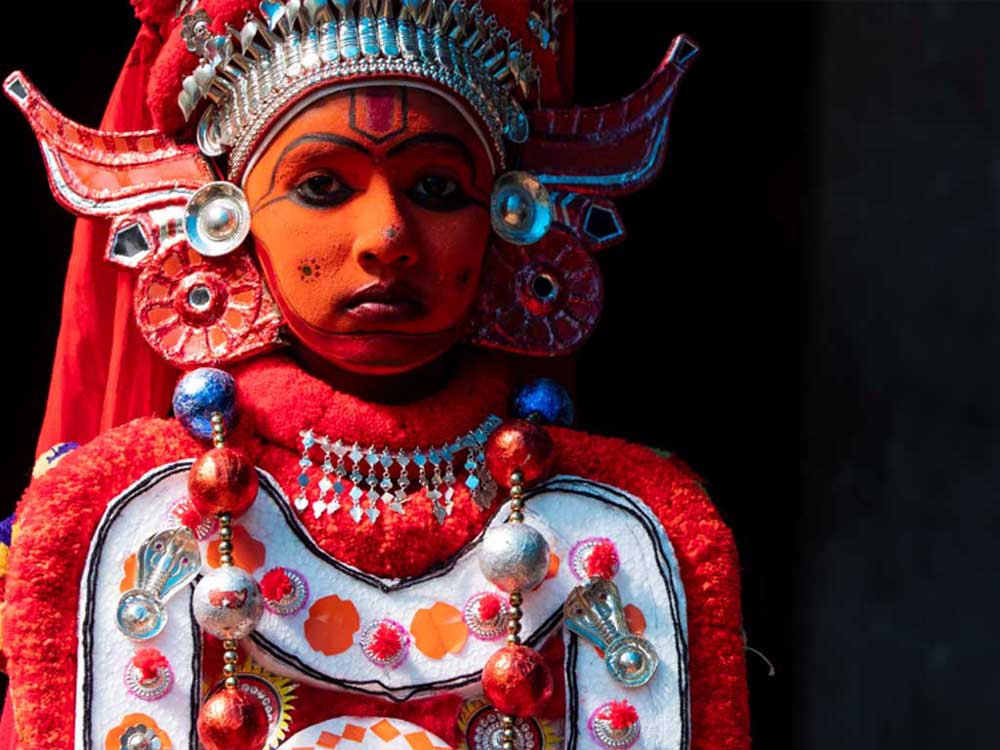
The Tuluva Communities
In Karnataka, the Tuluva ethnic groups, including the Bunt and Billava communities, follow a matrilineal system called Aliyasantana. This tradition comes from a story about a king’s sister who sacrificed her son to save their kingdom. As a result, property is passed through the mother’s side, usually to the eldest daughter. However, the brother often makes key decisions for the family. Although property inheritance is matrilineal, patriarchal practices still influence daily life.
The Decline of Matriarchal Traditions
After India’s independence, many communities began to follow more uniform societal norms, which led to a decline in matrilineal systems. While these societies were not entirely free of patriarchy, they aimed to create a balance between genders.
Globally, gender inequality seems to be growing, with new laws and policies negatively affecting women and marginalised groups. Violence against women and pay gaps are on the rise, making it crucial to challenge outdated systems and promote inclusivity.
Preserving the traditions of matriarchal societies can help us learn how to create a more equal world. Supporting cultural exchange programmes and local organisations that empower women in these communities can help keep these traditions alive. By working together, we can ensure this knowledge is not lost and create spaces where equality thrives.

 home
home HERoes
 StrongHER
 exclusive
 bizruptors
 connect
 showcase
 engage
 grow
grow goals
goals period goals
 fertility and pregnancy goals
 diet and fitness goals
 finance goals
 help
help contest
 about us


