
 home
home HERoes
 StrongHER
 exclusive
 bizruptors
 connect
 showcase
 engage
 grow
grow goals
goals period goals
 fertility and pregnancy goals
 diet and fitness goals
 finance goals
 help
help contest
 about us


Journey Of The Language: Hindi
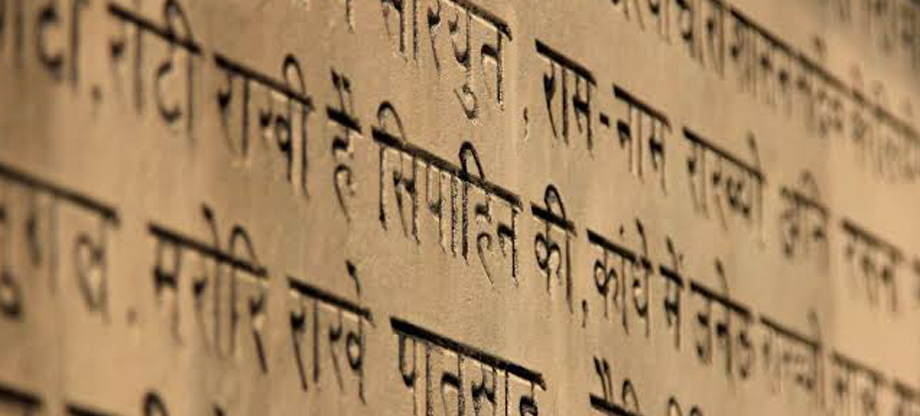
Throughout its journey, Hindi has evolved from a dialect of Sanskrit to one of the most widely spoken languages in the world, representing India's diverse cultural and linguistic heritage.
-
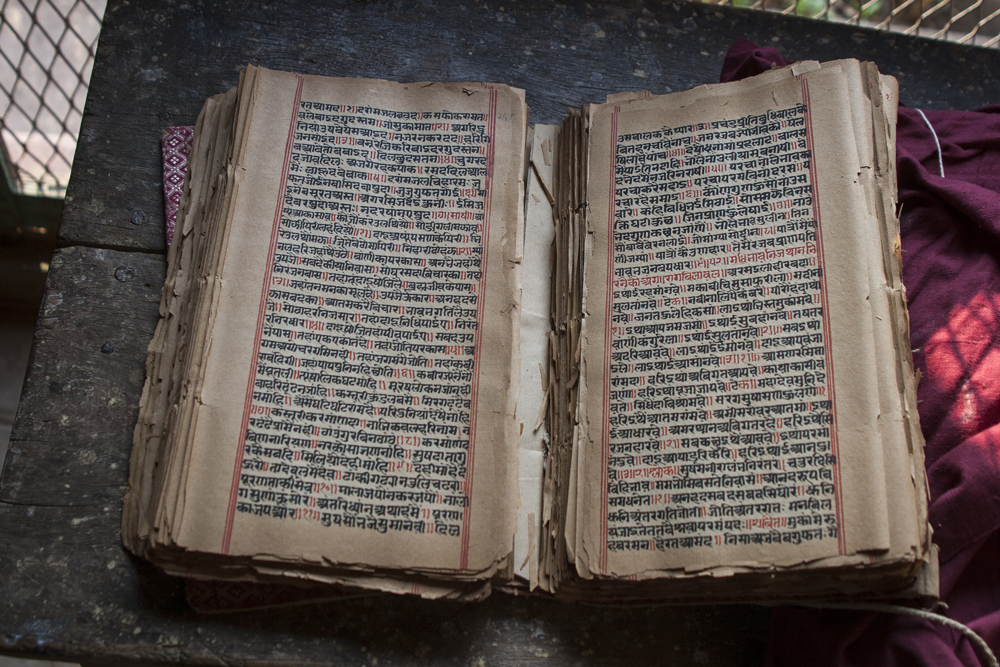
Ancient Origins: Apabhramsha and Sanskrit Roots (5th–10th Century CE)
- Hindi traces its roots back to Sanskrit, one of the oldest languages in the world.
- Between the 5th and 10th centuries, a set of dialects known as Apabhramsha began evolving from Sanskrit and Prakrit, becoming the foundation for modern Indian languages, including Hindi.
-
Emergence of Early Hindi (10th–13th Century CE)
- By the 10th century, early forms of Hindi began taking shape. This period saw the development of Shauraseni Prakrit, which became the basis of the Western Hindi dialects.
- During this time, Hindi was not just a spoken language; it started being used in literary works and folklore, especially in northern India.
-
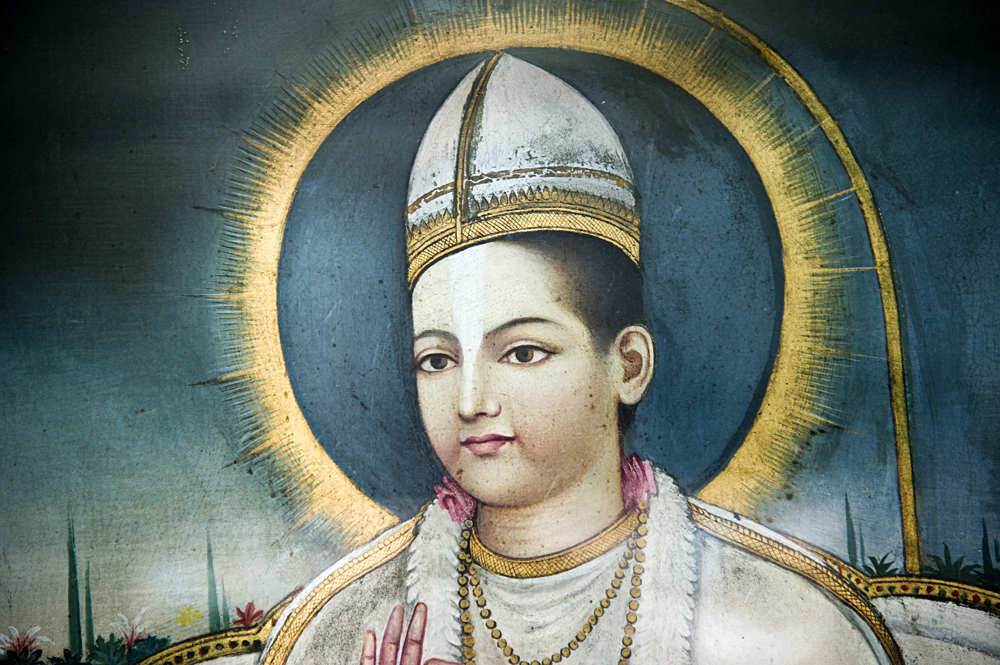
Medieval Hindi and Bhakti Movement (14th–17th Century)
- The Bhakti Movement played a crucial role in the spread of Hindi, as saint-poets like Kabir, Tulsidas, and Surdas began writing religious and philosophical poetry in Hindi.
- Hindi became the language of devotion, spirituality, and literature, as it moved from elite circles to the masses.
-
Mughal Influence and Persian Intermingling (16th–18th Century)
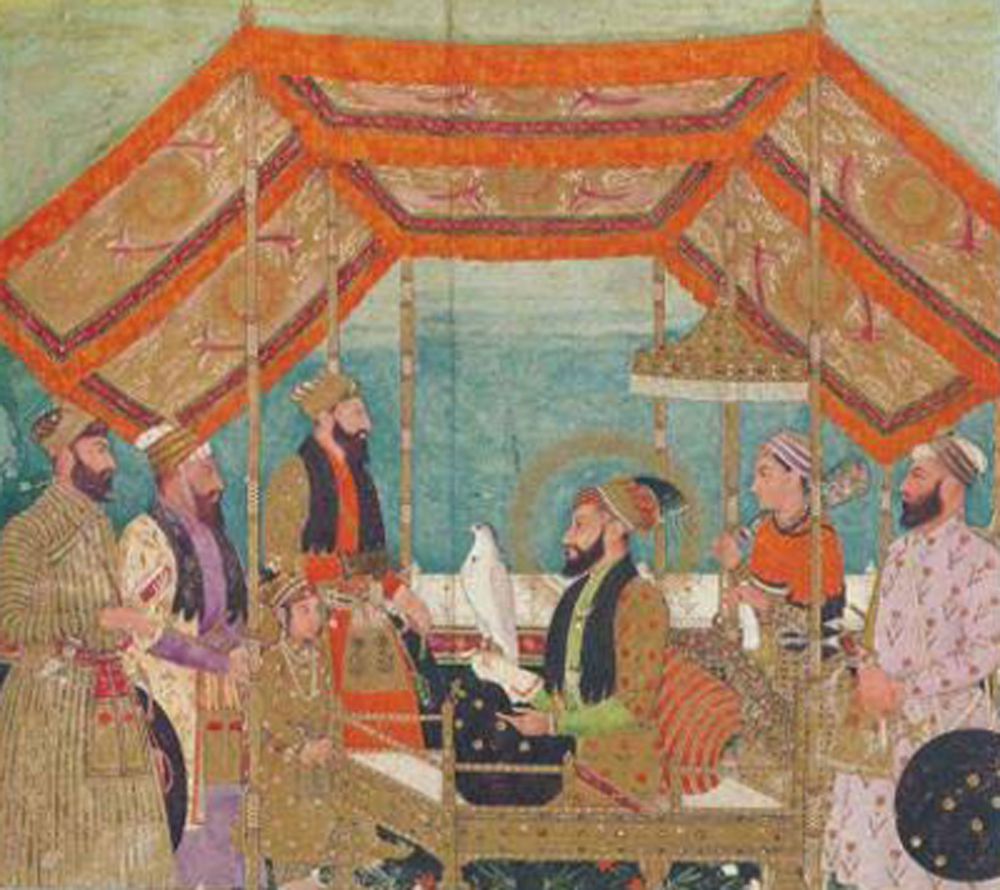
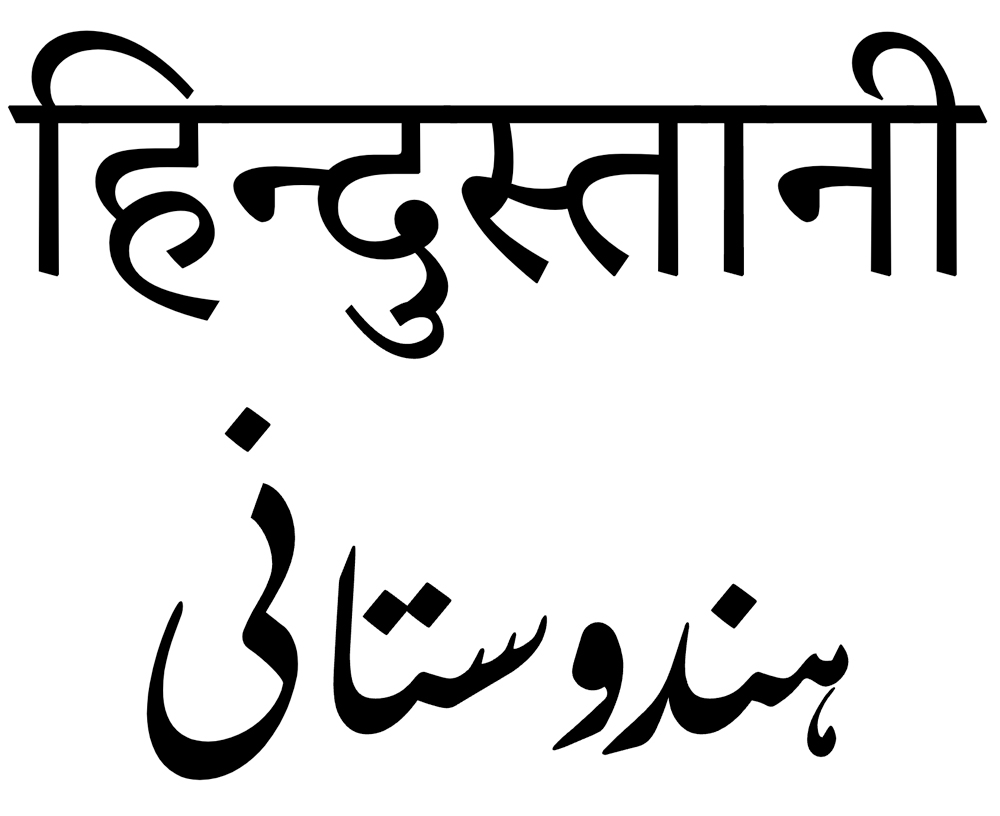
- The Mughal Empire brought with it Persian as the language of administration and culture. This led to significant influence on Hindi, giving birth to Hindustani, a blend of Hindi and Persian.
- Hindustani evolved into two forms: one with a greater influence of Persian, which later became Urdu, and another closer to the Sanskritic Hindi we know today.
-
British Colonial Era and Hindi's Standardization (19th Century)
- During British rule, there was a growing need for a unified language for communication, which accelerated the development and standardization of modern Hindi.
- In 1881, Bihar became the first state to adopt Hindi as its official language. Around this time, scholars like Bharatendu Harishchandra played key roles in promoting Hindi prose and literature.
-
Independence Movement and Hindi’s Role (20th Century)
- During India's struggle for independence, Hindi played a key role in uniting people across the country, as leaders like Mahatma Gandhi promoted it as a language of the masses.
- In 1949, after India gained independence, Hindi was declared the official language of India under Article 343 of the Constitution, alongside English for official purposes.
-
Post-Independence: Growth and Spread (1950–Present)
- Hindi saw widespread growth across India, especially in north and central India, where it became the medium of education, administration, and media.
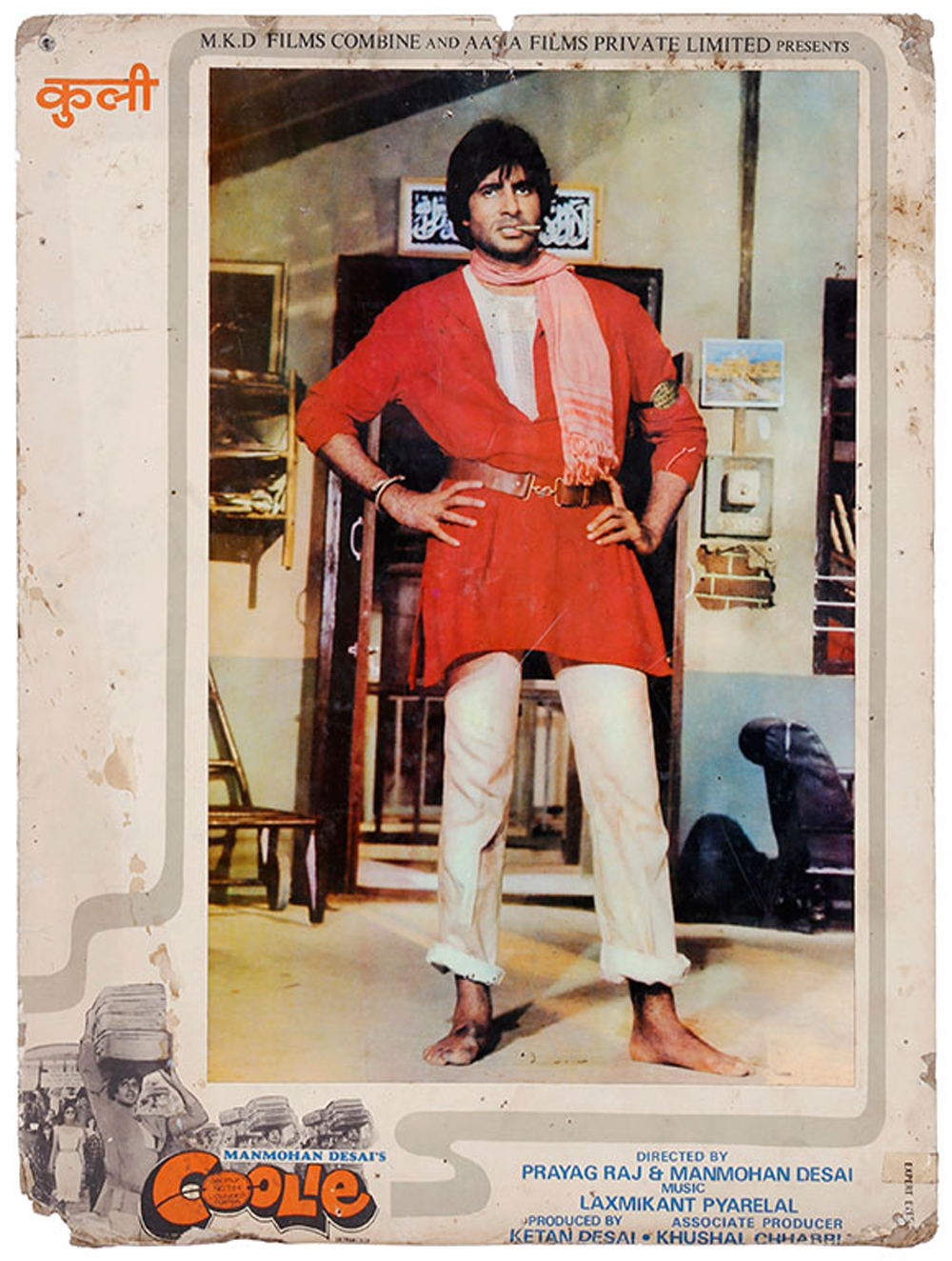
- In the modern era, Hindi cinema, or Bollywood, helped spread the language nationally and internationally.
- Globalization and the spread of the Indian diaspora have contributed to Hindi becoming one of the most spoken languages globally, with over 600 million speakers.
-
Digital Age and Hindi's Future (21st Century)
- The digital age has opened up new avenues for Hindi with social media, apps, and content creation in regional languages.
- Hindi is now one of the fastest-growing languages on the internet, as Google, Facebook, and other platforms support content in Hindi, making it accessible to a global audience.
Throughout its journey, Hindi has evolved from a dialect of Sanskrit to one of the most widely spoken languages in the world, representing India's diverse cultural and linguistic heritage.