From Diversity to Opulence: The Evolution of Beauty Standards
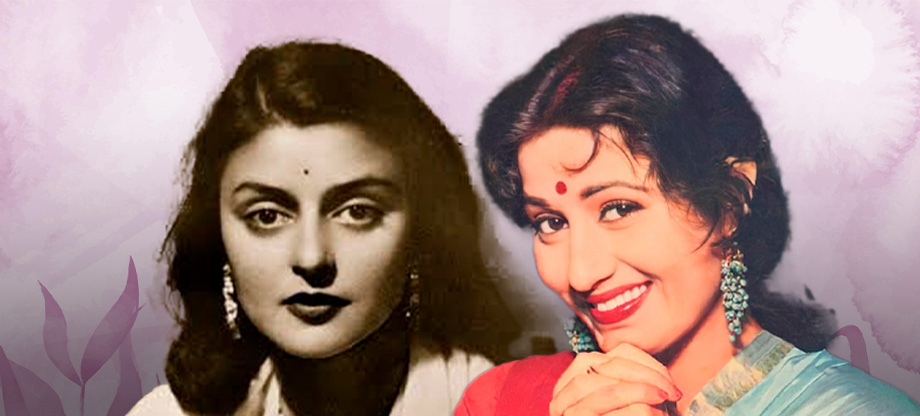
The evolution of Indian beauty standards since 1947 has been influenced by a variety of factors, including cultural shifts, globalisation, media representation, and changing societal norms. Here is a brief overview of the evolution of Indian beauty standards during this period:
- Post-Independence Era (1947-1960s):
- Traditional Aesthetics: In the immediate post-independence period, Indian beauty standards largely adhered to traditional aesthetics. Features such as long hair, almond-shaped eyes, and a healthy physique were considered attractive.
- Cultural Influences: Maharani Gayatri Devi of Jaipur, known for her classic elegance, inspired beauty standards. Traditional attire, minimal makeup, and natural features were celebrated. Bollywood began to emerge, and actresses like Madhubala and Nargis set beauty standards reflective of traditional Indian ideals.
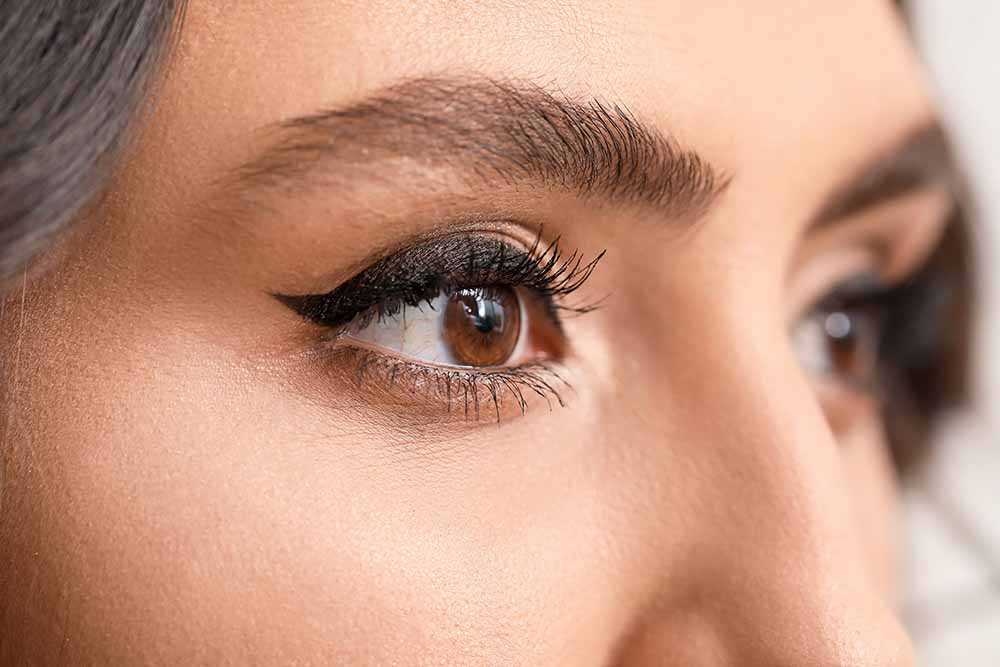
- Cultural Renaissance (1970s-1980s):
- Emergence of New Icons: The 1970s and 1980s saw the rise of new Bollywood stars like Rekha and Hema Malini. While traditional features were still appreciated, there was a shift towards a more modern and cosmopolitan look that featured a doll eye look with a bold winged eyeliner and white kohl in the waterline.
- Western Influences: Globalisation started to influence fashion and beauty standards. Western fashion trends began to integrate with Indian styles.
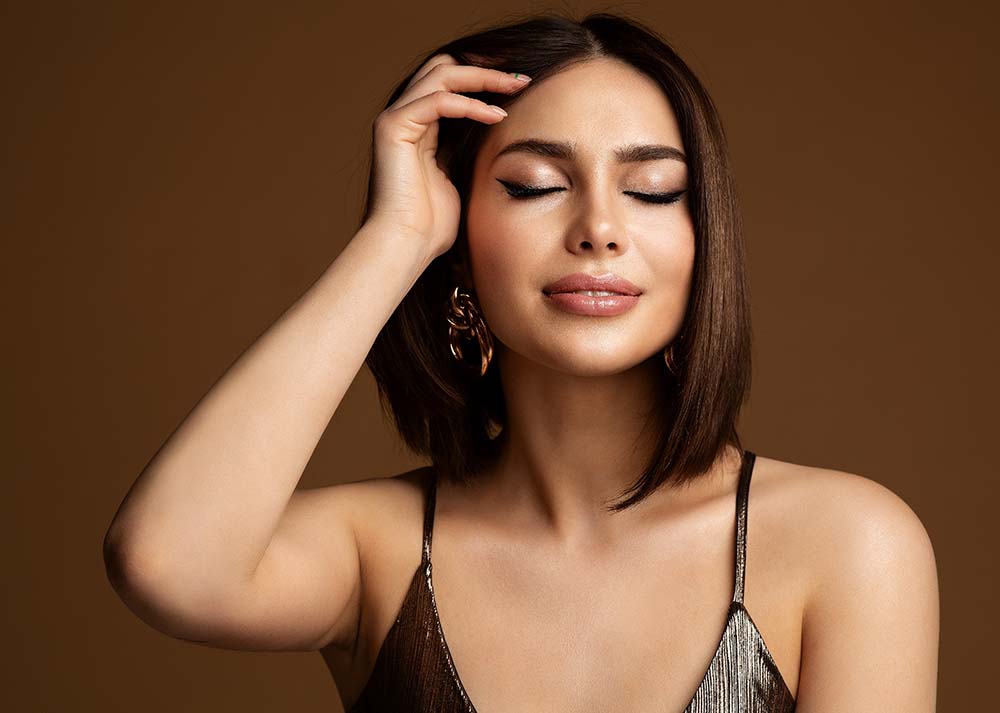
- Liberalisation Era (1990s):
- Globalisation Impact: Economic liberalization in the 1990s opened up India to the world, leading to increased exposure to global beauty standards. Western fashion and beauty ideals gained popularity.
- Supermodel Era: The modelling industry witnessed the emergence of Indian supermodels like Aishwarya Rai and Sushmita Sen, who represented a blend of traditional and international beauty standards.
- Digital Age (2000s Onward):
- Digital Media Influence: The 2000s brought the widespread use of digital media and the internet. Social media platforms and beauty influencers played a significant role in shaping beauty standards.
- Diversity and Inclusivity: The 2000s saw a growing appreciation for tribal and ethnic beauty. Unique hairstyles, traditional tattoos, and distinctive accessories gained recognition.
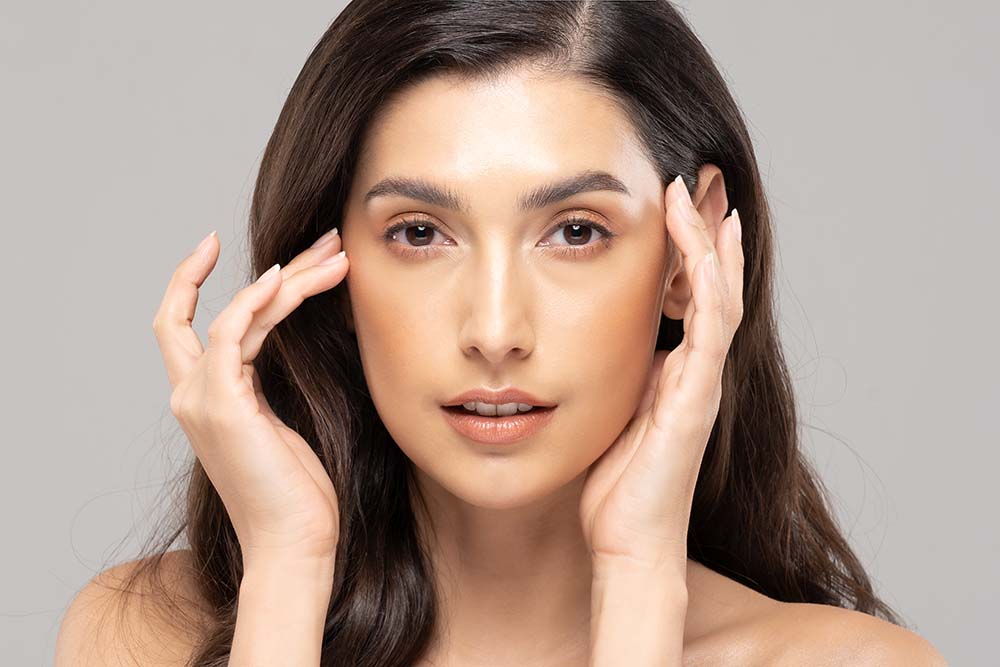
- Current Trends (2020s):
- Minimalism: The concept of ‘less is more’ has been widely preached and practised when it comes to beauty standards. We’ve seen celebrities carry the no-makeup makeup look effortlessly. The vibe is here to stay for sure.
- Sustainable Beauty: The emphasis on sustainability continued, with more brands and consumers opting for eco-friendly packaging, cruelty-free products, and sustainable practices.
- Inclusivity: Modern Indian beauty is about inclusivity, standards that aim to break stereotypes associated with gender, age, and conventional norms.
The evolution of Indian beauty standards reflects a dynamic interplay of cultural, societal, and global influences, with a contemporary focus on celebrating diversity and individuality.

 home
home HERoes
 StrongHER
 exclusive
 bizruptors
 connect
 showcase
 engage
 grow
grow goals
goals period goals
 fertility and pregnancy goals
 diet and fitness goals
 finance goals
 help
help contest
 about us


