
 home
home HERoes
 StrongHER
 exclusive
 bizruptors
 connect
 showcase
 engage
 grow
grow goals
goals period goals
 fertility and pregnancy goals
 diet and fitness goals
 finance goals
 help
help contest
 about us


12 Million Stroke Cases Annually: Air Pollution, Climate Change To Blame

Strokes are becoming a global health crisis, with 12 million new cases and over 7 million deaths every year. A recent study in The Lancet Neurology highlights how air pollution and rising temperatures are driving this increase. The research, which analysed data from 1990 to 2021 in 204 countries, provides key insights into stroke trends, its causes, and the differences across regions. It shows how both environmental and lifestyle-related factors contribute to this worrying rise.
A Sharp Increase In Stroke Cases And Deaths
The global stroke burden has risen sharply over the last 30 years. From 1990 to 2021, stroke cases went up by 70 per cent, deaths from stroke increased by 44 per cent, and the overall impact on health (measured by disability and early death) grew by 32 per cent. Low- and middle-income countries (LMICs) have been hit hardest, accounting for 83 per cent of new strokes and 87 per cent of stroke-related deaths.
One of the study’s key findings is that 84 per cent of stroke cases in 2021 were linked to 23 preventable factors. These include high blood pressure, being overweight, lack of exercise, smoking, and air pollution. This shows there is a big opportunity to reduce stroke rates by targeting these risk factors.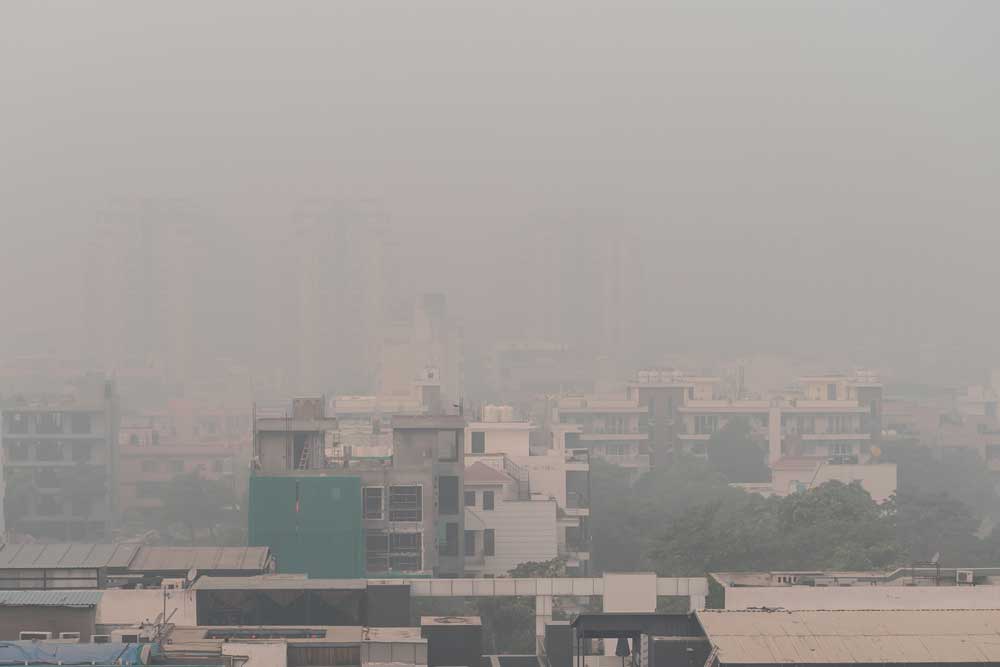
Environmental Factors: Air Pollution And Heat
High temperatures and air pollution are major contributors to the rising number of strokes. The study found that stroke deaths linked to high temperatures increased by 72 per cent since 1990, making it the second-highest environmental risk factor after high Body Mass Index (BMI).
Air pollution, particularly fine particles known as PM2.5, emerged as a significant risk factor for strokes. Different regions face varying levels of risk, which highlights the need for customised strategies to tackle these issues.
Preventive Measures: A Global Call To Action
Although stroke numbers are rising, they are largely preventable. The study stresses the importance of accessible strategies to reduce risk, such as managing blood pressure, cutting air pollution, and promoting healthier lifestyles. In 2021, strokes were the third-leading cause of death worldwide after heart disease and COVID-19, making prevention critical.
By addressing risk factors like air pollution and unhealthy diets, many stroke cases can be avoided. The study calls for a comprehensive approach to stroke prevention, especially in LMICs where healthcare resources are often limited, making prevention even more essential.
Climate Change And Stroke Risk
The study also highlights a worrying link between climate change and stroke. As temperatures rise and air quality worsens, stroke risks are likely to increase. This reinforces the need for action on climate change to protect public health.
By focusing on reducing air pollution, managing blood pressure, and encouraging healthier lifestyles, many lives can be saved. The research makes it clear that we need to align public health and environmental policies to reduce the global stroke burden. Taking action now, especially in light of climate change, can make a significant difference in preventing strokes in the future.
Addressing these environmental risks and prioritising prevention offers a real chance to reverse this growing health crisis.