10 Ways On How Physical Education Develops An Individual Holistically
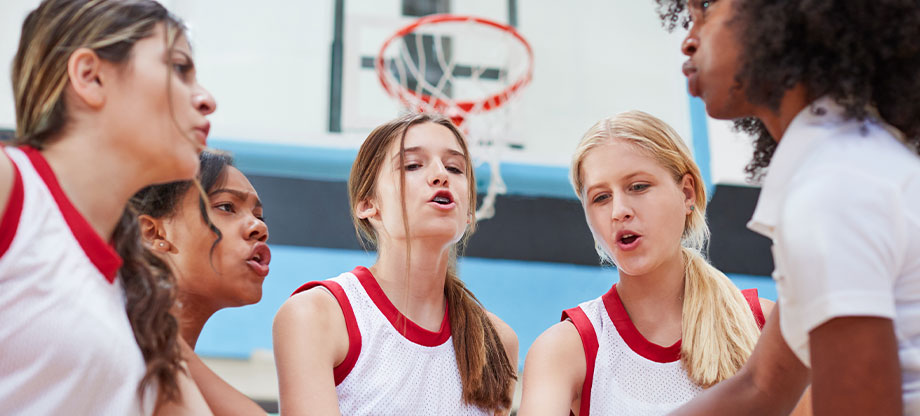
Physical education classes have become a necessity in most schools for a reason: physical activity is essential for a child's physical, mental, and emotional development. Whether you like it or not, there's no doubting that physical activity has so many advantages for your child that it should be encouraged whenever feasible. And with most schools inching towards a more holistic approach to education – where the child’s mind, body and spirit are the focus areas for development – here’s how physical education can contribute to the overall development of the child.
1. Growth
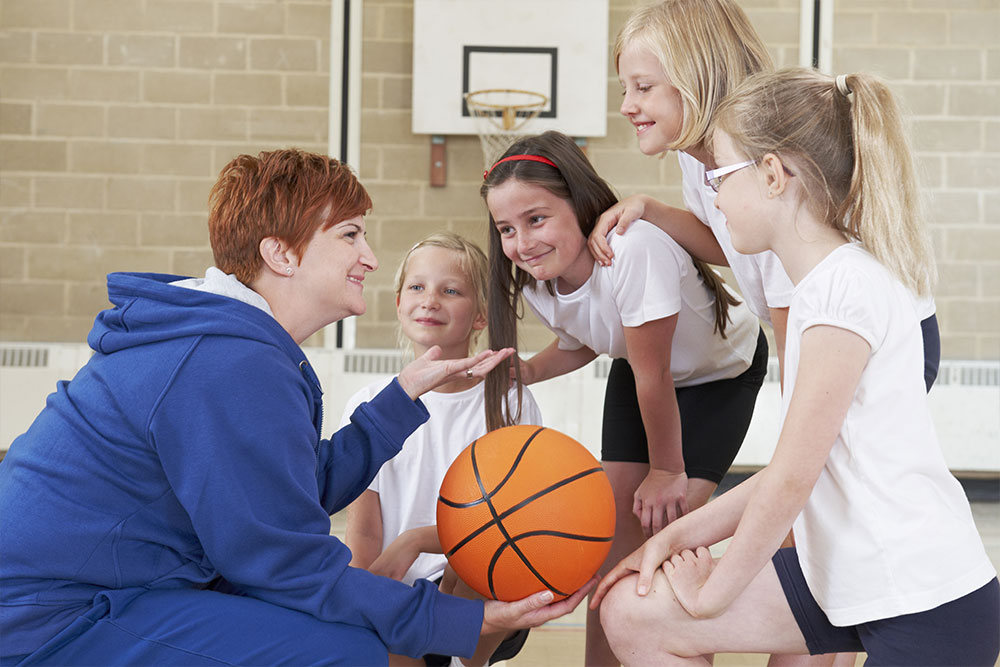
Exercise, like eating, is an essential component of a child's physical development. Exercise strengthens your child's muscles and bones by providing a stimulus for the body to respond to. Healthy bone mass and density can be developed at a young age, lowering the chance of developing bone-related disorders like osteoporosis later in life.
2. Fitness And Endurance
Physical strength is developed through exercise, and being strong has numerous advantages for a developing child. This includes the ability to walk longer distances without becoming exhausted and the strength to complete daily duties. Flexibility and stability are also improved by exercise.
3. Refined Motor Skills
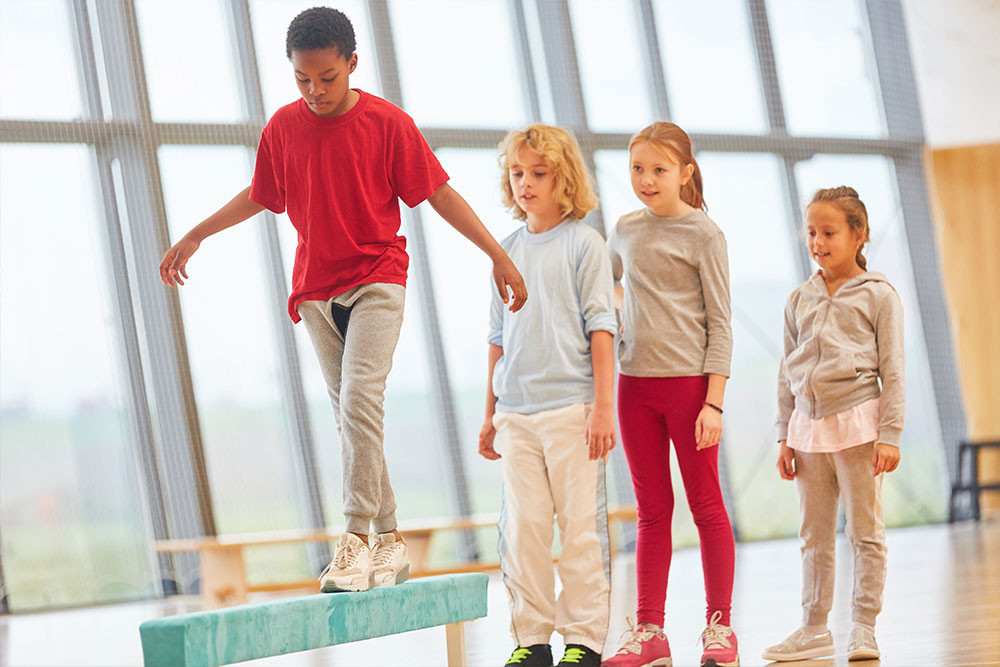
Physical activity during playtime aids the development of motor skills in younger children, which are responsible for helping them learn the basic motions they require in everyday life. Basic tasks like feeding oneself, tying one's shoelaces, and even writing can be accomplished considerably more quickly as a child's motor skills grow through physical activity.
4. Improved Posture
Many youngsters slouch, and exercise can assist to reverse this bad trend by improving a child's posture by building core and spine strength. Good posture protects a child's spine against deformities caused by excessive slouching, and minimises the likelihood of developing body pain as a result of poor posture.
5. Wait On The Weight
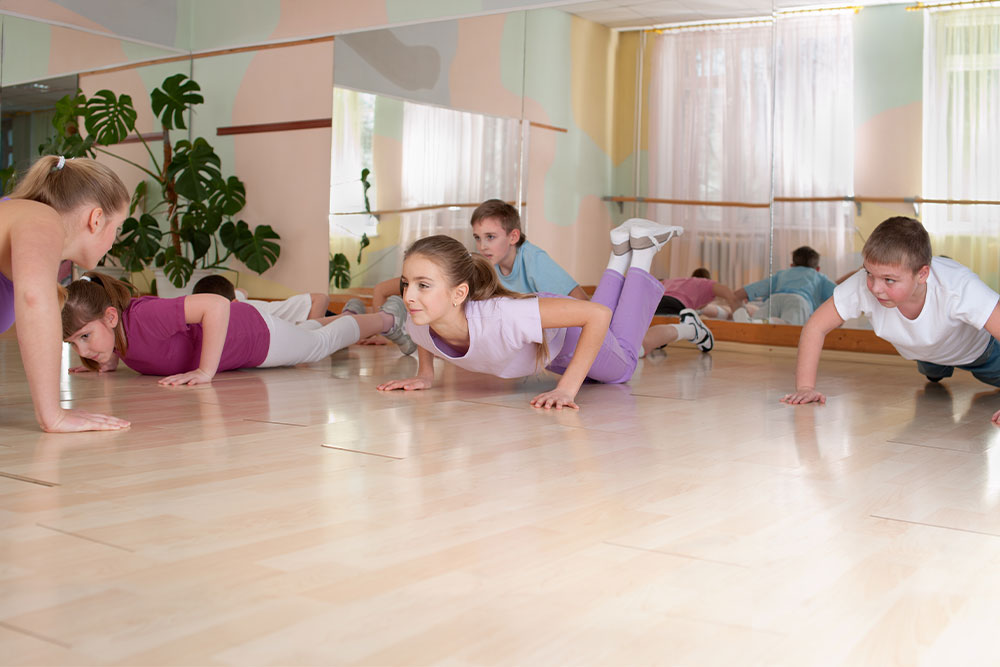
Physical activity burns calories more effectively than anything else, making it a crucial activity for weight loss. It is commonly observed that most parents let a junk meal or two slip by, but it should also be noted that childhood obesity is associated with a significant risk of adult obesity, heart disease and metabolic disorders. Therefore, physical education and activity creates an equilibrium between diet and fitness.
6. Heart Health
For most parents, a little extra weight on their children is not a cause for concern, but all that excess weight has a cost in terms of health. Childhood obesity puts children at risk for cardiovascular illness, such as high cholesterol, and metabolic diseases, such as type 2 diabetes, later in life or, even worse, at a young age.
7. Cognitive Skills
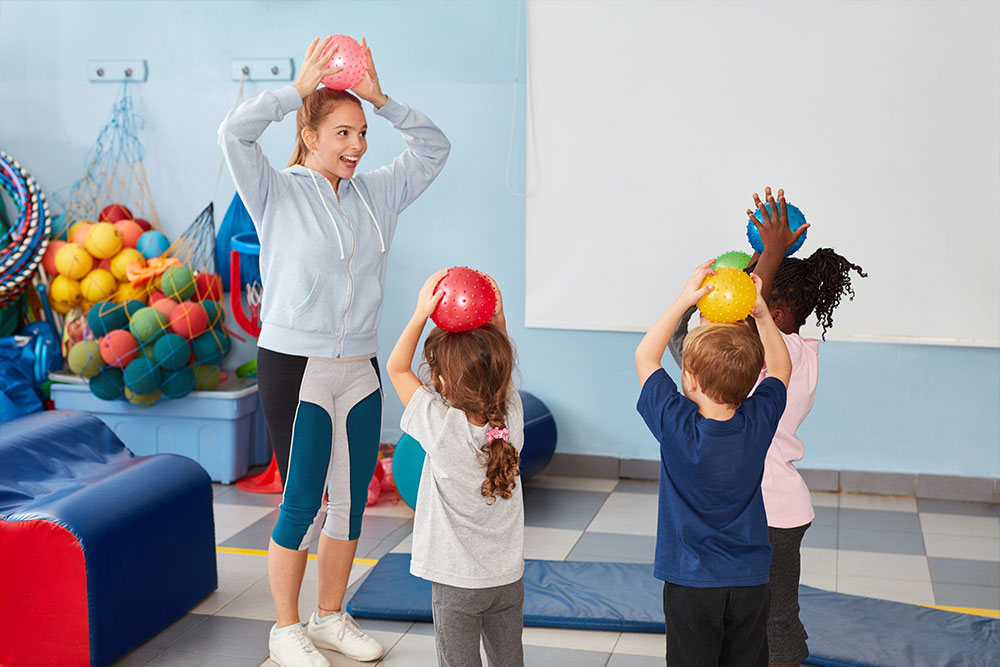
Exercise isn't just great for getting your body in shape. It also aids in brain growth. Nerve cells in the hippocampus and prefrontal cortex of the brain proliferate and make new connections as a result of exercise. This leads to greater concentration and memory, two qualities that will undoubtedly benefit a school-aged child's scholastic demands.
8. Improved Mental Health
While exercise may appear to some youngsters to be a dreaded duty, once the child gets into the swing of things, it becomes a therapeutic experience. Physical activity relieves stress and anxiety, and the release of feel-good hormones like endorphins promotes better moods.
9. Social Skills
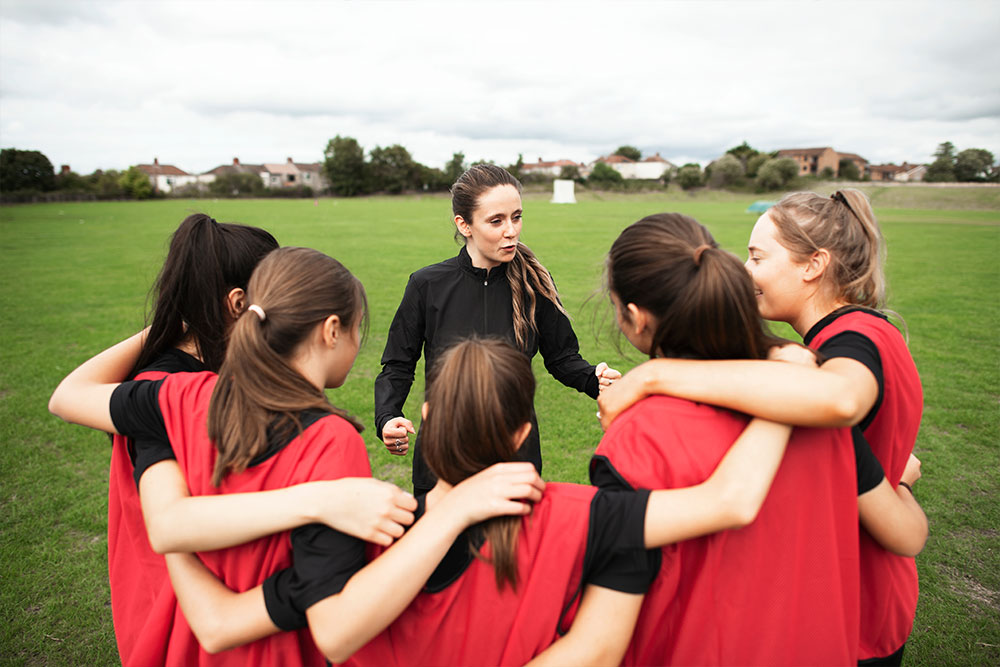
Children can not only make new acquaintances through exercise, but it also helps them grow and cultivate their social skills. Team sports, for example, can help kids practise important communication skills including reading non-verbal clues, practising teamwork, and taking on leadership responsibilities.
10. Increased Self-Esteem
Exercise improves a child's mental health and mood while also boosting his or her self-esteem. Being successful in a particular sport boosts a child's confidence. The fact that exercise promotes a healthy weight also aids in the development of a positive self-image in youngsters. Finally, exercise is a terrific method for kids to meet new people, and being a part of a social group helps a lot.

 home
home HERoes
 StrongHER
 exclusive
 bizruptors
 connect
 showcase
 engage
 grow
grow goals
goals period goals
 fertility and pregnancy goals
 diet and fitness goals
 finance goals
 help
help contest
 about us


