Chess Isn’t Just A Game: It’s Building India’s Future Women Leaders #InternationalChessDay
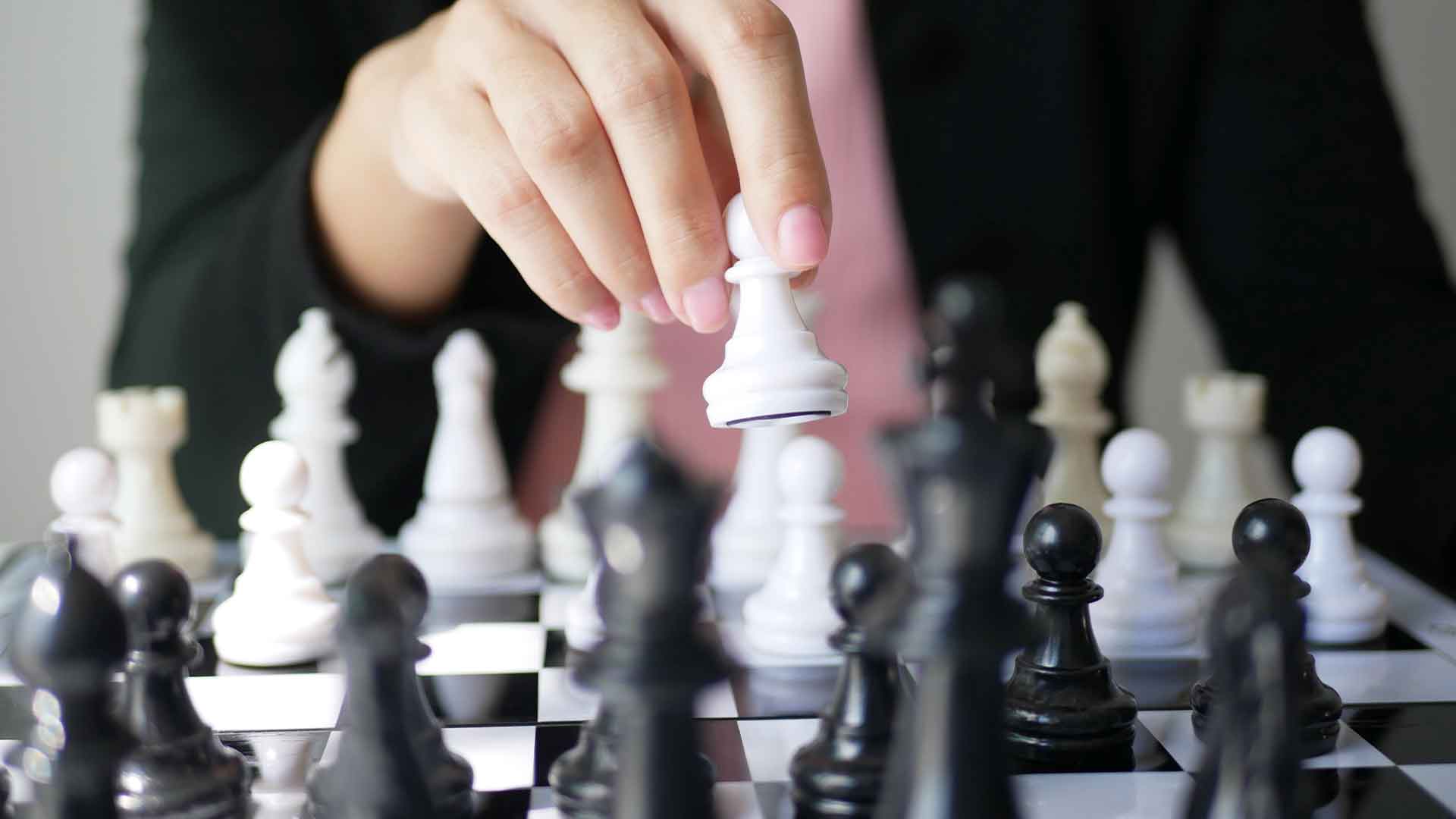
International Chess Day falls on 20 July each year to celebrate a game that has fascinated humanity for over 1,500 years. Played on the same 64 squares by children and adults, amateurs and grandmasters, chess is one of the few competitive sports where men and women compete under identical rules. There is no dependence on physical strength, speed or stamina. Success rests on other factors such as calculation, creativity and discipline.
Yet, despite this seemingly level playing field, women remain significantly underrepresented at the highest levels of competitive chess. This paradox raises an important question. If the board is the same for everyone, why aren't there more women at the top?
At the same time, India is witnessing an exciting transformation. A new generation of young women is proving that talent has no gender, inspiring thousands of girls to discover the game not merely as a sport but as a powerful tool for personal growth.
India's New Generation Of Chess Queens
Indian chess has entered a golden era, and women have been central to this story. The trail was blazed by Koneru Humpy, who became one of the world's strongest female players and one of the youngest women ever to earn the Grandmaster title. She has won the Women's World Rapid Championship and continues to compete successfully at the highest level.
Harika Dronavalli, a three-time Women's World Championship bronze medallist, has consistently remained among the world's elite players for over a decade, demonstrating remarkable longevity in an intensely competitive sport.
Then came a remarkable wave of teenage stars. R Vaishali created history by becoming one of India's newest women Grandmasters after years of exceptional performances. Alongside her younger brother, R Praggnanandhaa, she represents a family that has become synonymous with Indian chess excellence.
Players such as Vantika Agrawal, Divya Deshmukh, Savitha Shri B, Padmini Rout, Nandhidhaa PV, Bhakti Kulkarni, Tania Sachdev, and several others have consistently strengthened India's presence in international tournaments.
Most inspiring is how young many of these players are. Girls who are still in school are already defeating seasoned international competitors, proving that excellence in chess depends far more on opportunity and training than on age or gender. Their success indicates that when girls receive encouragement, coaching and exposure early, they flourish.
Why Are Women Still Underrepresented?
At first glance, chess appears to be the ultimate equal-opportunity sport. Men and women sit across the same board, play under identical rules and have access to the same openings, endgames and strategies. The gender gap persists not because of biology, but because of society.
Across many countries, including India, boys are still more likely to be introduced to competitive games early. Families often invest more readily in their coaching, tournament travel and long-term training. Girls may face subtle expectations to prioritise academics or household responsibilities, reducing the time available for intensive practice.
Representation also matters. When children see champions who look like them, they begin to imagine themselves succeeding. For decades, there were simply fewer visible women role models in elite chess, although that is now changing rapidly.
Competitive confidence is another important factor. Chess demands constant exposure to defeat. Players lose frequently, analyse painful mistakes and return stronger. Research across many fields suggests that girls are often socialised to avoid failure and seek perfectionism, while boys are more frequently encouraged to take risks. Since improvement in chess depends on embracing mistakes as learning opportunities, these early social messages can influence long-term participation.
There is also the practical reality of numbers. In most countries, significantly more boys than girls enter organised chess. Even if talent were distributed equally, a much larger player pool naturally produces more elite competitors. Fortunately, these barriers are not permanent. Every successful woman player inspires more girls to enter the game, gradually creating a virtuous cycle.
Beyond Winning Trophies
Not every child who learns chess will become a Grandmaster. The real value of chess lies in the habits of mind it develops, qualities that benefit girls throughout their education, careers and personal lives.
Critical thinking: Chess trains children to examine multiple possibilities instead of reacting impulsively. They learn to evaluate evidence, anticipate consequences and choose thoughtfully.
Decision-making under pressure: A player cannot postpone every difficult choice forever. Eventually, a move must be made. This teaches girls to gather available information, make the best possible decision and accept responsibility for the outcome, a valuable life skill in school, work and relationships.
Patience and delayed gratification: In an age of instant rewards, chess reminds children that meaningful success often requires careful planning over many moves.
Emotional regulation: Even the strongest players lose. Chess teaches children to manage disappointment without giving up. They learn to analyse mistakes objectively rather than seeing failure as a reflection of self-worth. This becomes invaluable during examinations, competitions and life's inevitable setbacks.
Confidence: Every rating point and tournament victory builds genuine confidence. Unlike praise based simply on participation, chess offers measurable progress. Girls discover that improvement comes from practice, preparation and persistence.
Strategic planning: Strong players rarely think only about the next move. They constantly wonder about long-term plans, which pieces to develop first, and the weaknesses they want to create or prevent. These closely resemble the thinking required in business, public policy, entrepreneurship and leadership.
Learning To Think Like Leaders
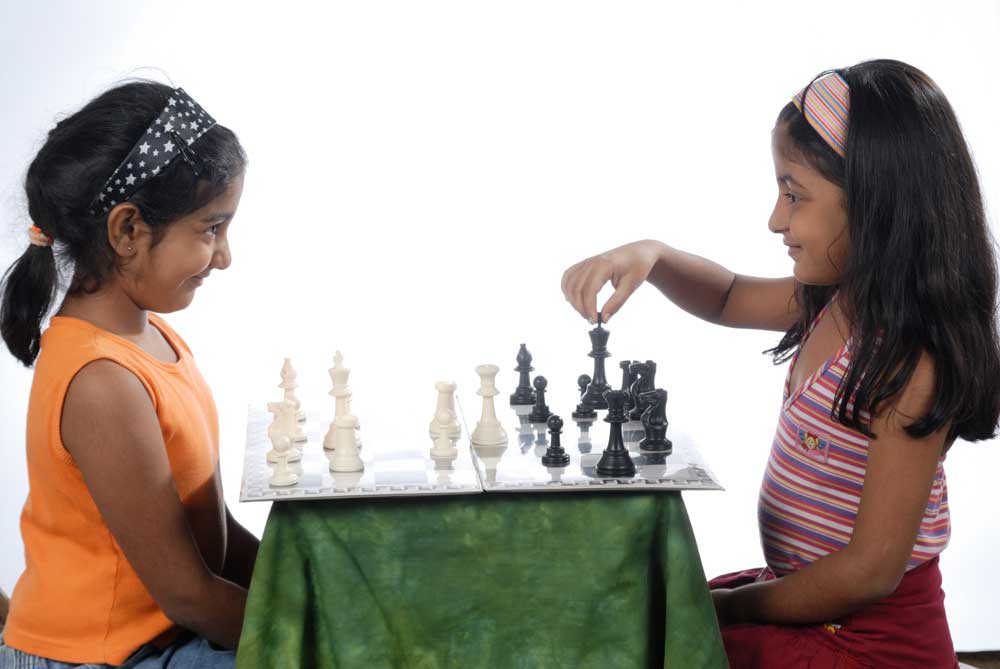
Leadership is often misunderstood as giving instructions. In reality, leaders constantly evaluate changing situations, anticipate challenges, manage limited resources, adapt to surprises and make difficult decisions despite uncertainty. Chess nurtures exactly these abilities.
A player must balance immediate gains against long-term objectives. They must recover from setbacks without panic. They must recognise when to defend patiently and when to seize an opportunity boldly. Importantly, chess also teaches humility. Every player eventually discovers that overconfidence can be punished within a few moves. Great players remain lifelong learners because every game offers something new. These are qualities every future scientist, entrepreneur, civil servant, teacher, doctor or CEO can benefit from.
More Than Champions
India's growing success in women's chess is about much more than medals. It reflects changing aspirations, stronger coaching systems and families increasingly willing to invest equally in daughters' ambitions. Schools have an important role to play as well. Introducing chess clubs, encouraging girls to participate in tournaments and celebrating female champions can help ensure that talent is nurtured rather than overlooked. Parents need not dream only of producing the next Grandmaster. Even a child who plays chess recreationally gains skills that textbooks alone cannot teach.
A chessboard does not care whether the player is a boy or a girl. It rewards preparation and perseverance. As more and more Indian girls take their seats at the board, they are not just learning how to win games, but also how to think critically, recover from setbacks, and make confident decisions that will help them not only professionally but also in their personal lives.

 home
home HERoes
 StrongHER
 exclusive
 bizruptors
 connect
 showcase
 engage
 grow
grow goals
goals period goals
 fertility and pregnancy goals
 diet and fitness goals
 finance goals
 help
help contest
 about us


