
 home
home HERoes
 StrongHER
 exclusive
 bizruptors
 connect
 showcase
 engage
 grow
grow goals
goals period goals
 fertility and pregnancy goals
 diet and fitness goals
 finance goals
 help
help contest
 about us


Dry Eyes: The Overlooked Perimenopause Symptom Women Should Know About
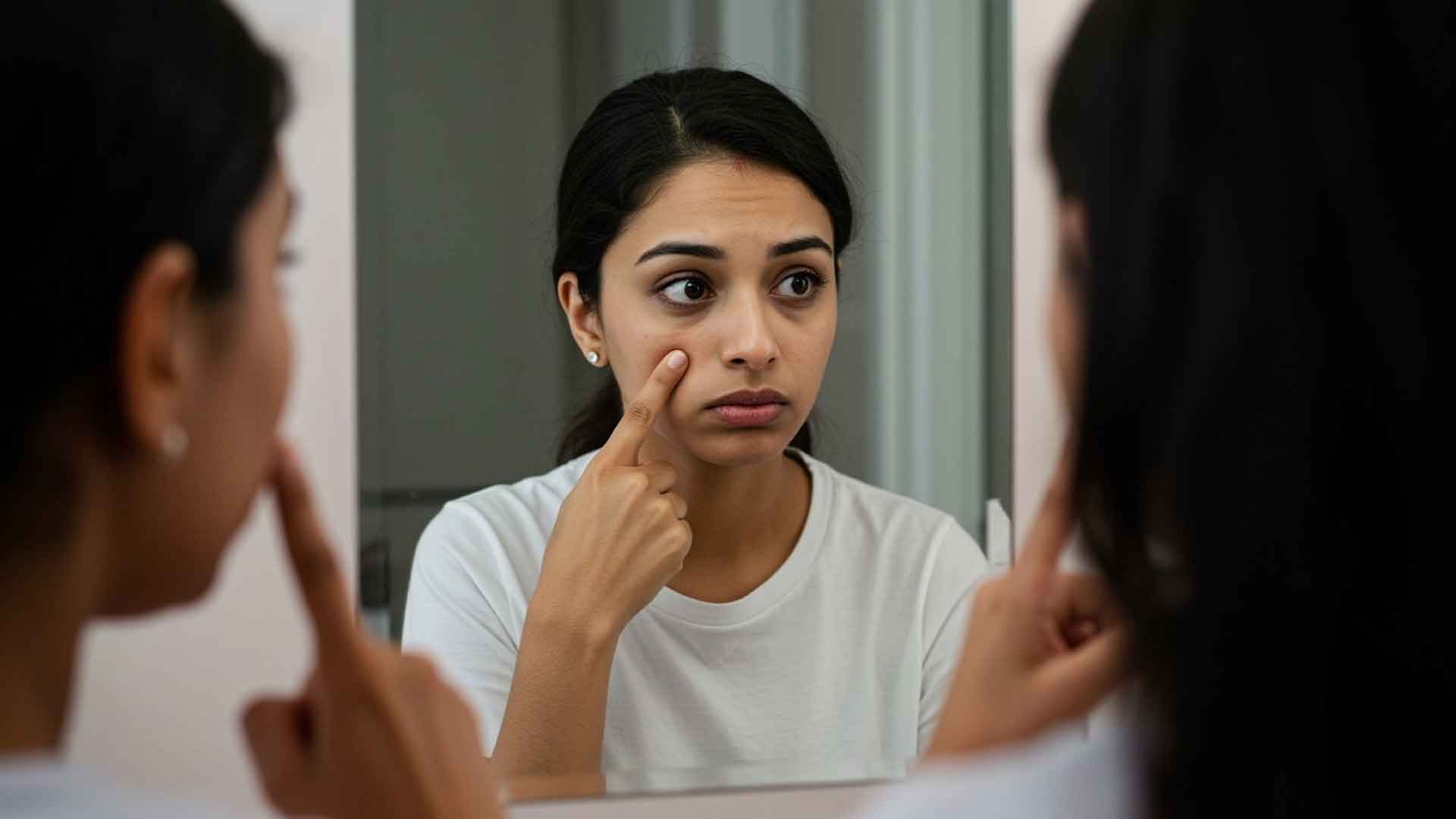
You may notice that your eyes feel gritty by the end of the day, become unusually sensitive to light, tear up when you are outdoors, or seem blurry after hours in front of a laptop. Contact lenses that were once comfortable suddenly feel unbearable. It is easy to blame these symptoms on screen time, air-conditioning, lack of sleep or simply ‘getting older’. But hormonal changes during perimenopause and menopause can also play a role.
Dry eye disease is a multifactorial condition involving the quantity and quality of tears, tear evaporation and inflammation of the eye's surface. The transition through menopause can affect several of these mechanisms. Hormone receptors are present in the lacrimal and meibomian glands, the structures involved in producing the watery and oily components of the tear film. Changes in hormones, particularly oestrogen and androgens, can alter tear-film stability and the function of these glands.
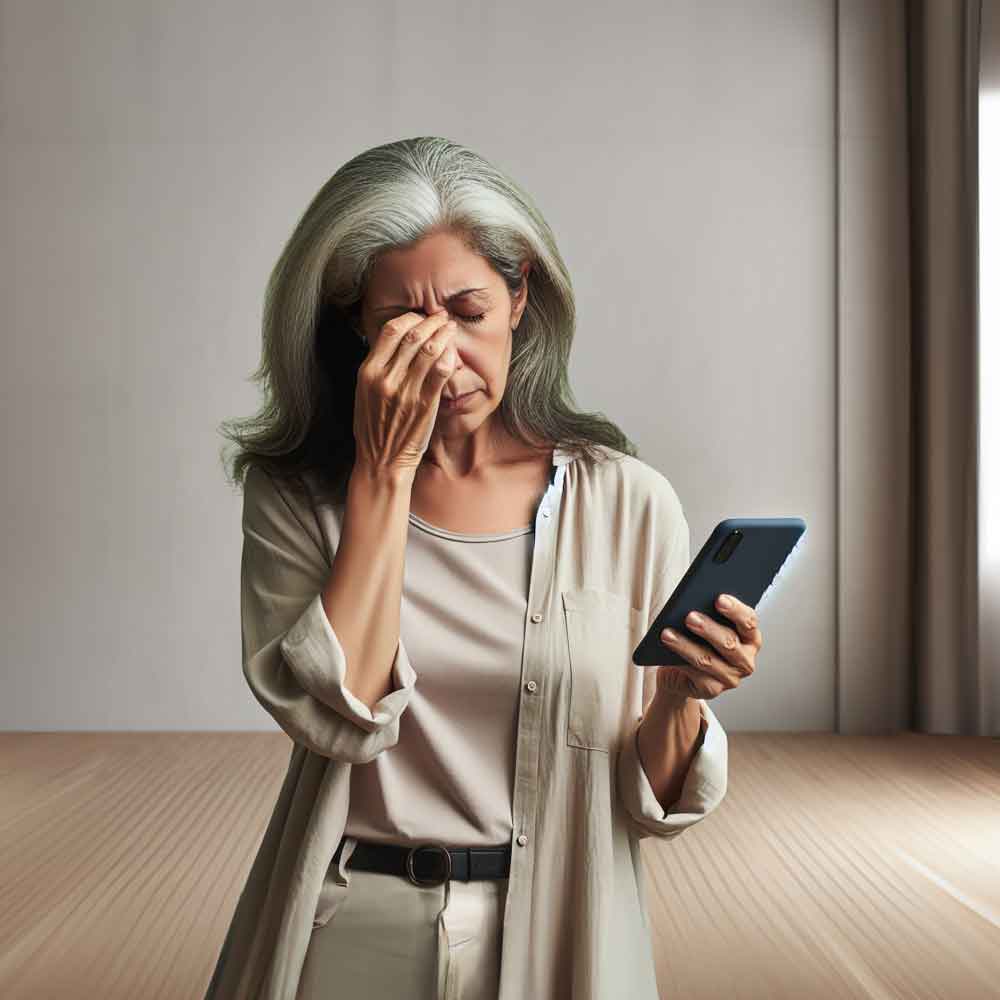
Why Perimenopause Affects Eyes
Think of your tear film as a protective coating over the eye. It contains watery, mucous and oily components that work together to keep the surface smooth and prevent excessive evaporation. Dr Parvathi Venkatraman, Senior Consultant Obstetrician and Gynaecologist from Chennai says, ‘Dry eye is often thought of purely as an ophthalmological concern, but from a gynaecologist’s perspective, it is important to recognise the significant role that hormonal changes can play in a woman’s overall eye health. Women may experience changes in tear production and eye comfort at different stages of life, particularly during perimenopause and menopause, when fluctuations and a decline in oestrogen and other hormones can affect the delicate balance that helps maintain a healthy tear film. The tear film is not simply water. It has multiple components, including lipid, aqueous and mucin layers, which work together to maintain lubrication and protect the ocular surface. What is particularly important is that dry eyes may not occur in isolation. A woman experiencing menopausal changes may also report symptoms such as hot flashes, sleep disturbances, vaginal dryness, changes in mood or skin dryness. Looking at these symptoms collectively, rather than treating each one as an unrelated problem, allows us to take a more holistic view of women’s health.’
She adds, ‘At the same time, persistent dry eye should never simply be attributed to hormones. Screen use, environmental factors, certain medications, contact lenses and underlying medical conditions can also contribute. Women experiencing persistent burning, irritation, grittiness, redness or fluctuating vision should seek an evaluation from an eye-care professional. The larger message is that women’s health is interconnected and greater awareness can help women seek appropriate care rather than dismissing persistent symptoms as simply another part of ageing.’
Dr Lauren Gormley, OD, Johns Hopkins Medicine has said, ‘The glands that produce the oil layer of the tears, the meibomian glands, are impacted by the drop in the hormones oestrogen, progesterone and testosterone that starts as a woman enters perimenopause. This causes less oil volume and lower oil quality in tears. When the oil layer is low, tears evaporate too quickly. Any time that blinking is reduced, such as when you look at screens for an extended period of time, dry eye symptoms will worsen.’
This form of dry eye, known as evaporative dry eye, is strongly associated with meibomian gland dysfunction (MGD). Indian ophthalmology guidelines note that MGD is a major cause of evaporative dry eye, with hospital-based Indian studies reporting prevalence ranging from 42.5 per cent to 57.2 per cent. A 2017 review in the Journal of Mid-Life Health identified sex hormones, oestrogens and androgens as key regulators of tear film composition, supporting the biologic plausibility of the menopausal-dry eye link. It is also increasingly understood that dry eye isn't simply a problem of ‘not enough tears’. Inflammation and changes to the ocular surface and nerves can contribute to persistent symptoms.
Other Symptoms Of Dry Eye
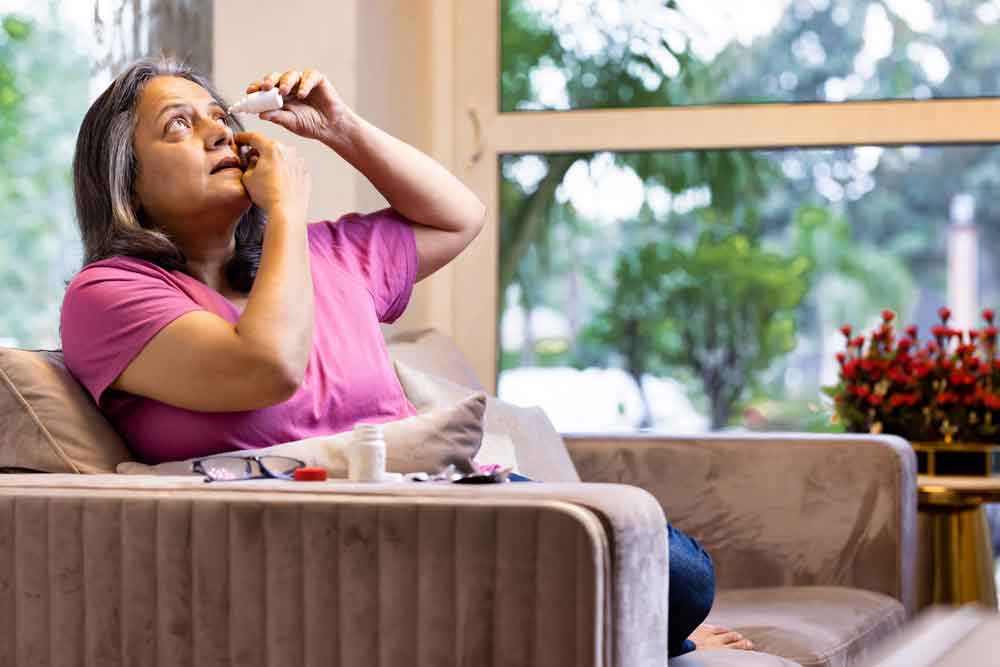
Common symptoms include a gritty, sandy or ‘something is stuck in my eye’ sensation, burning or stinging, redness and irritation, itching, watery eyes, sensitivity to light, tired or heavy-feeling eyes, blurred or fluctuating vision, particularly while reading, difficulty wearing contact lenses. Paradoxically, watery eyes can be a symptom of dry eye. When the surface becomes irritated, the eye can produce reflex tears, but these may not have the right composition or remain on the eye long enough to provide lasting protection.
The Awareness Gap
New data from a 2026 Bausch + Lomb survey highlights just how easy it is to overlook the connection. Among 402 women aged 30 to 80+ who were perimenopausal, menopausal or post-menopausal, only 14 per cent recognised dry eye as a symptom associated with menopause and 78 per cent said they were surprised to learn that dry eye could also be a symptom. By comparison, 79 per cent recognised hot flashes as menopause-related. Among respondents experiencing dry eye, 58 per cent reported difficulty reading, 53 per cent difficulty using screens, 26 per cent difficulty driving and 17 per cent reported reduced productivity.
What Can You Do?
Dr Parvathi says, ‘A proper assessment is important as an ophthalmologist can evaluate the severity and cause of dry eye and recommend appropriate treatment, which may include lubricating eye drops and other measures depending on the individual's condition. It is equally important to look at the broader hormonal picture. If dry eye occurs alongside other symptoms of perimenopause or menopause, a woman may benefit from a comprehensive consultation. Management should always be individualised, taking into account her symptoms, medical history and overall health. Simple lifestyle measures may also help. Taking regular breaks from screens, ensuring adequate hydration, avoiding direct exposure to dry air or smoke, and maintaining a healthy lifestyle can support overall comfort. However, persistent eye symptoms should not be ignored or self-treated indefinitely. Treatment for dry eye is not one-size-fits-all. A collaborative approach between the gynaecologist and ophthalmologist can help ensure that both the symptom and the woman’s broader health needs are appropriately addressed.’
Other things you can do:
Consume omega-3: Eat foods or take supplements with omega-3 fatty acids. Fish oil, flaxseed oil and other food sources high in omega-3s can help increase oil in tears.
Check your environment: Wind, dust, air-conditioning and very dry indoor air can aggravate symptoms. Avoid sitting directly under an air-conditioner or fan. One can also use a humidifier at home to moisten the air, reduce contact lens use and wear sunglasses or wraparound glasses outdoors to avoid excessive wind.
Be kinder to your eyes: Concentrating on a screen tends to reduce blinking, which can destabilise the tear film. Take regular breaks, consciously blink more often and avoid spending unnecessarily long stretches staring continuously at a screen.
Artificial tears may help: Over-the-counter lubricating eye drops are commonly used for mild dry eye. If you need drops frequently or symptoms keep returning, it is worth getting professional advice rather than simply continuing to self-treat indefinitely. Your eye-care professional can help determine whether the problem is primarily tear deficiency, excessive evaporation, eyelid-gland dysfunction, inflammation or a combination of factors.
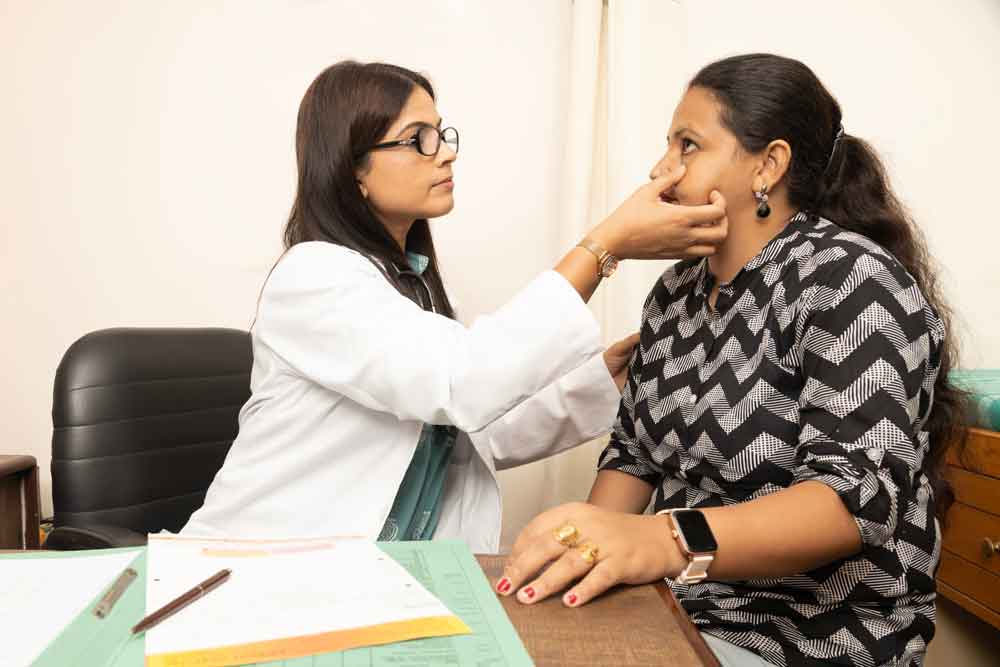
Don't ignore your eyelids: Meibomian gland dysfunction is an important contributor to evaporative dry eye. An eye specialist can examine the eyelid margins and glands and recommend appropriate treatment where needed. Management can range from cleaning, drops and eyelid care to prescription treatments and other procedures, depending on the underlying problem.
When Should You See An Eye Doctor?
Don't assume persistent eye discomfort is simply another part of menopause. Make an appointment with an ophthalmologist or optometrist if symptoms are persistent, recurrent, interfering with reading, driving, work or screen use, or if you regularly need lubricating drops to get through the day. A comprehensive evaluation can assess tear production, how quickly tears evaporate and the health of the eyelids and ocular surface. If you're taking medicines for other conditions, mention them to your doctor or eye specialist. Certain medications can contribute to dry-eye symptoms. Seek prompt medical attention for significant eye pain, a sudden or marked change in vision, pronounced light sensitivity, or other symptoms that feel substantially different from your usual dry-eye irritation. This is particularly important because untreated severe dry eye can damage the cornea, the clear surface at the front of the eye.
Perimenopause is a period of enormous physical change, and women are often juggling sleep disruption, mood changes, hot flashes, headaches and changing menstrual patterns. Eye symptoms may seem relatively minor in comparison, but vision is not something to put on the back burner. Dry eye is common, treatable and manageable, but one first has to recognise that those uncomfortable eyes may be caused by perimenopause.