Can Delhi's New Policy Change How We Care For Young Minds?
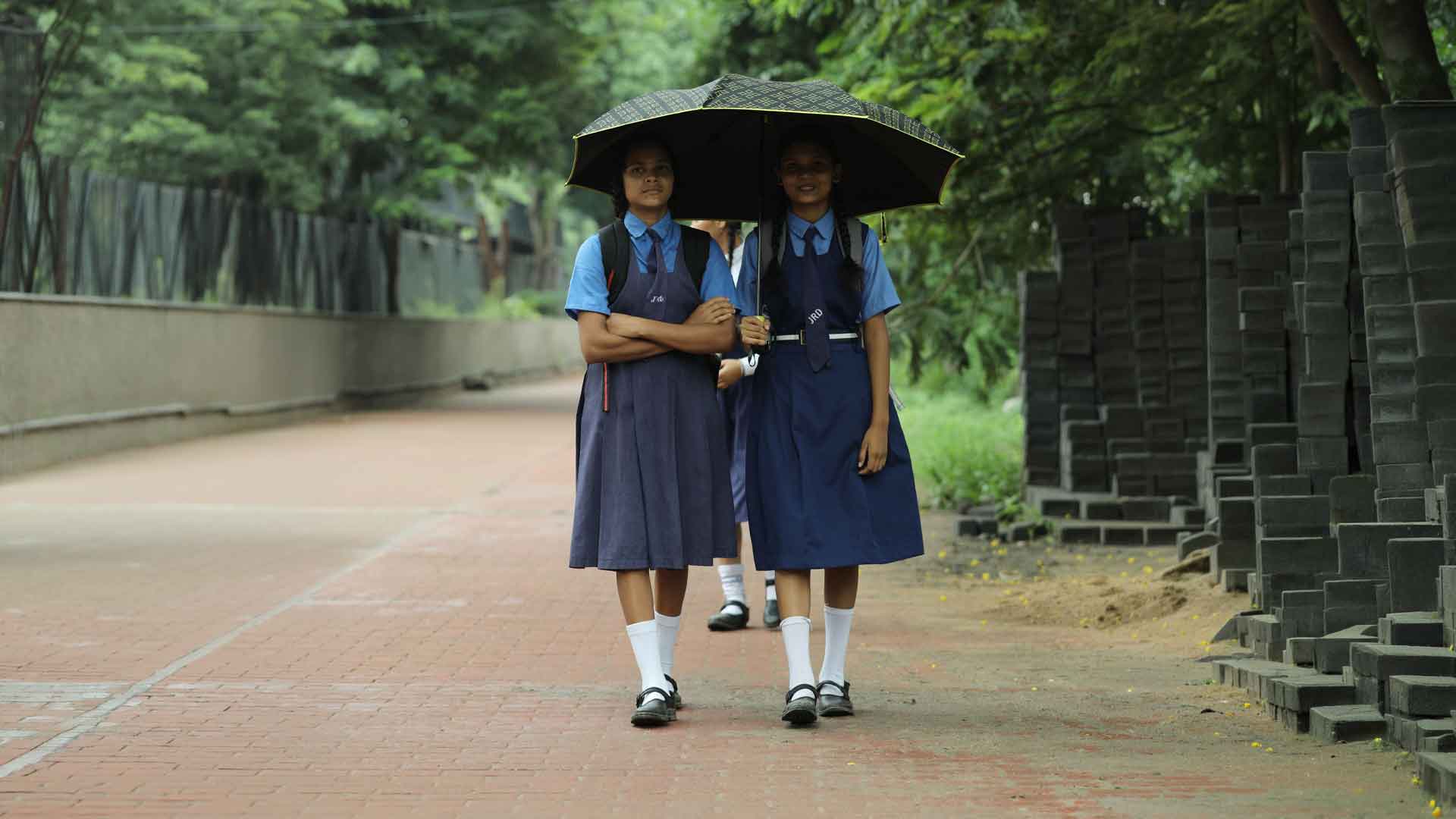
One in seven adolescents globally, aged 10–19, experiences a mental health disorder, according to the World Health Organization (WHO). Suicide is the third leading cause of death among young people aged 15–29. In India, the warning signs are equally troubling. Student suicides accounted for approximately 7.6 per cent of all suicides in 2022, according to figures cited by the Union Ministry of Health and Family Welfare in Parliament.
Young people today are struggling with anxiety, depression, loneliness, academic pressure, bullying and the overwhelming expectations of family and society. Many suffer in silence, unsure of whom to turn to or afraid that admitting they need help will invite judgement. The Delhi government's proposed Mental Well-being Policy for children and young people recognises that caring for a young person’s mental health is as important as investing in their education.
Beyond The Classroom
Announced on November 11, 2026, the proposed policy is expected to be formally launched on November 19. It will cover CM SHRI schools, government and government-aided schools, private educational institutions, higher education institutions and children with special needs.
It will also extend its reach to young people up to the age of 29 who are outside the formal education system. This will benefit college dropouts, those unable to clear competitive examinations, unemployed graduates, and people who have entered the workforce without a support system.
The proposed framework also seeks to make the wider school environment more sensitive to children's emotional needs. One interesting provision under consideration is psychometric assessment of teaching and non-teaching staff, as well as transport personnel who regularly interact with children. Special handbooks have also been prepared, containing structured questions, practical exercises and activities to improve emotional awareness and encourage responsible engagement with children.
Delhi’s Education Minister Ashish Sood has emphasised the need to move beyond academic results towards creating spaces where children feel safe, heard and understood. The intention is to make conversations about emotional well-being a normal part of growing up rather than waiting for a crisis.
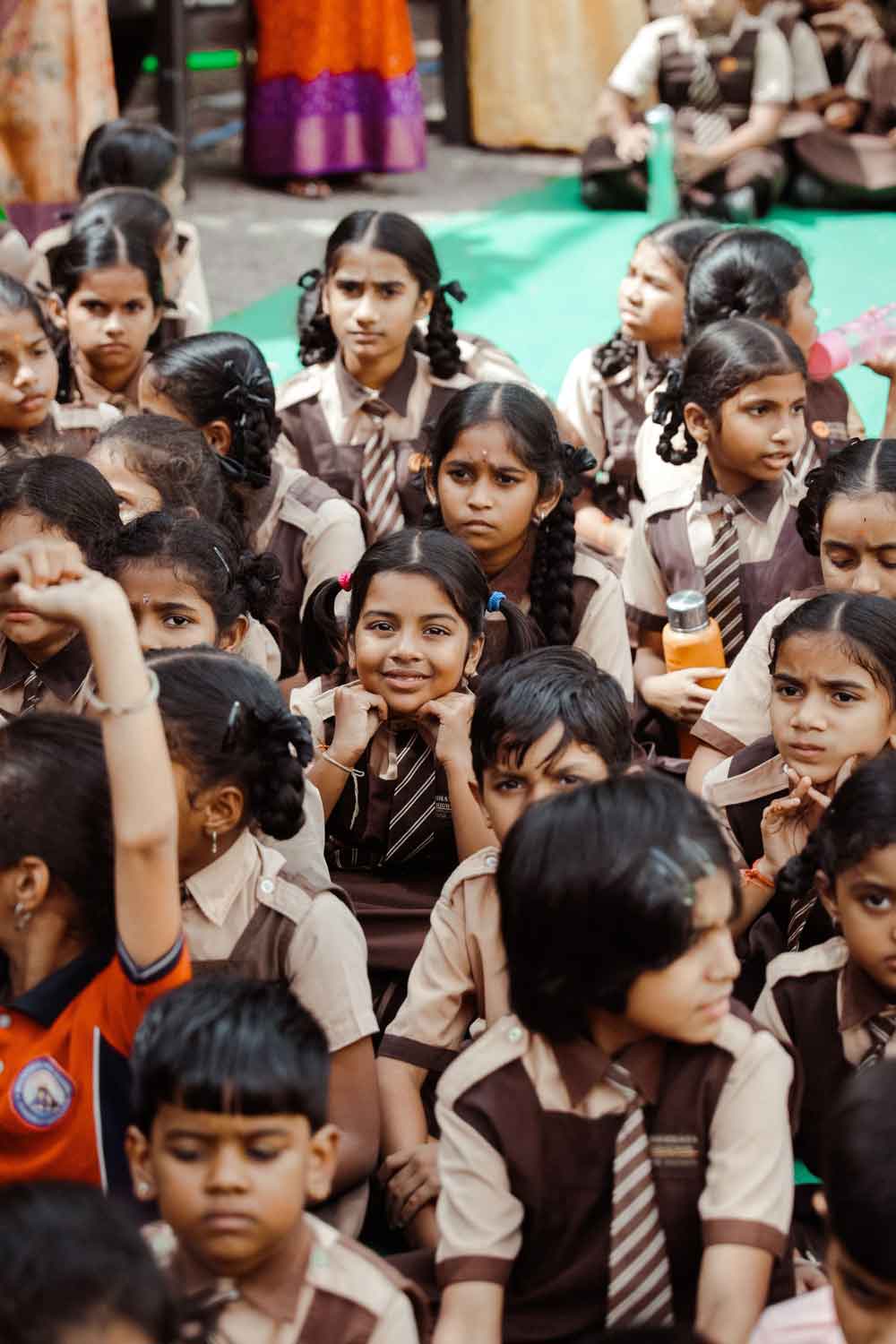
Why Young People Need Support
Young people are navigating an increasingly competitive environment, constant digital exposure, cyberbullying, changing family dynamics and uncertainty about employment and the future.
For girls and young women, these pressures can be compounded by gender expectations, concerns about personal safety, restrictions on independence, body-image anxieties and the struggle to balance family responsibilities with personal ambitions. Social media has created a culture in which young people are constantly exposed to carefully curated versions of other people's lives. The pressure to look a certain way, achieve professional success early, maintain relationships and appear happy can take a considerable emotional toll.
Academic pressure is another major concern. In India, where examination results and professional qualifications are often seen as determinants of future success, a poor result can feel like a personal failure rather than a temporary setback. The fear of disappointing parents can make it even harder for students to seek help.
The consequences extend beyond emotional distress. Untreated mental health difficulties can affect concentration, attendance, relationships, physical health and career development. They can also make young people more vulnerable to substance misuse and social withdrawal.
Early intervention can make a difference. Teaching children to recognise emotions, manage stress, communicate their needs and seek help equips them with skills that remain valuable throughout adulthood. It is equally important to identify difficulties before they become severe. A student who is becoming increasingly withdrawn, frequently missing classes or displaying sudden behavioural changes may need support long before the situation becomes a medical emergency.
Lessons From Other Countries
Several countries have experimented with innovative approaches to youth mental health, offering valuable lessons.

Australia: Australia's headspace programme, established in 2007, is designed for young people aged 12–25, it provides an integrated support system covering mental health, physical and sexual health, alcohol and drug-related concerns, and vocational assistance. Instead of requiring young people to juggle several different healthcare systems, it brings multiple services together in accessible, youth-friendly centres. Its approach also involves families and encourages young people to participate in designing services. By 2023, Australia had 154 headspace services, supporting approximately 100,000 young people annually. An independent evaluation found that greater engagement with the service was associated with improvements in mental health and well-being, with positive outcomes sustained in follow-up assessments.
Finland: Finland's KiVa anti-bullying programme is based on the premise that mental well-being is closely linked to the environment in which children grow up. Introduced nationally in Finnish schools in 2009, KiVa addresses bullying through classroom lessons, discussions, role-playing and targeted interventions. Its central insight is that bullying is not simply a problem between the bully and the victim. Bystanders and the wider school culture also influence whether bullying continues. The programme was tested through a randomised controlled trial involving 234 schools, followed by wider evaluations involving nearly 1,000 schools. The findings were positive, with reductions in bullying and victimisation.
England: England's Mental Health Support Teams (MHSTs) demonstrate the value of integrating mental health services into educational institutions. These teams work with schools and colleges, providing early intervention for common difficulties such as anxiety and low mood, supporting staff and helping students access specialist services when necessary. According to the UK government's June 2026 update, nearly six million children and young people could access support through these teams, which were operating across almost 11,800 schools and colleges. A survey of participating institutions found that nine in ten reported improvements in children's mental health and well-being, while seven in ten reported improved attendance.
Home-Grown Initiatives
In Bihar, the school-based SEHER programme was designed as a whole-school intervention, combining life-skills education, student activities, counselling and efforts to strengthen relationships between teachers and students. Evaluations found improvements in school atmosphere, alongside reductions in depression, bullying and violence. Interestingly, the programme's impact was stronger when delivered by dedicated counsellors rather than teachers alone.
Delhi has its own experience with the Happiness Curriculum, introduced in government schools. It incorporates mindfulness, emotional awareness, empathy, gratitude and meaningful relationships into everyday learning. The curriculum demonstrates how emotional development can become part of the educational experience rather than an occasional extracurricular activity.
What Lies Ahead
The Delhi policy is scheduled for a formal launch on November 19, 2026, after which its final provisions can be gleaned. Though the proposal is encouraging so far, implementation is key. For starters, there must be enough trained counsellors and psychologists to meet the needs of a large and diverse population. Schools and colleges need clear referral mechanisms connecting students to qualified mental health professionals and healthcare facilities.
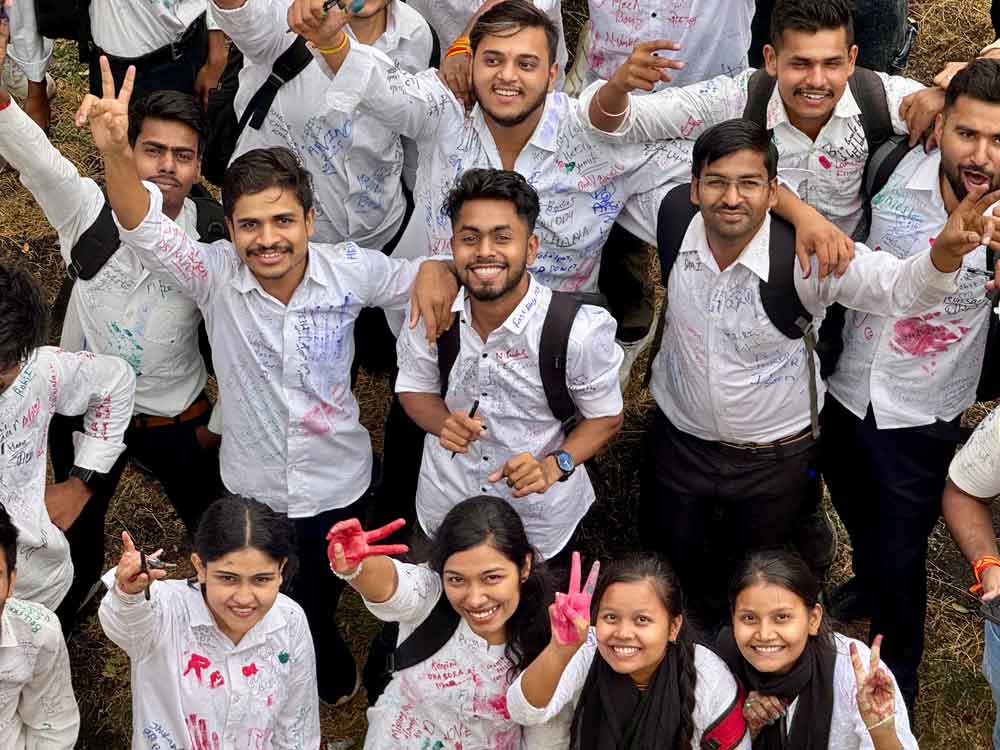
Confidentiality is equally important. Young people must feel confident that discussing anxiety, depression, family problems or personal difficulties will not result in humiliation, punishment or discrimination. Psychometric assessments, too, must be professionally administered, ethically designed and accompanied by appropriate safeguards.
The policy must also account for differences. A child with special needs may require a different form of communication and support. Young women facing gender-based discrimination may need safe spaces and gender-sensitive counselling. Those outside formal education will require community-based outreach rather than school-centred interventions alone.
Teachers, meanwhile, need training to recognise warning signs without being expected to act as therapists. Parents must be part of the conversation, too. Many adults still interpret emotional difficulties as laziness, indiscipline or a lack of resilience. Helping parents understand the difference between normal developmental challenges and signs of psychological distress can transform the home environment.
The real measure of this policy will lie in the everyday changes it brings: a student who feels comfortable asking for help, a teacher or parent who knows when to step in, and a young person who no longer feels alone in what they’re going through.

 home
 HERoes
 StrongHER
 exclusive
 bizruptors
 connect
 showcase
 engage
 grow
 goals
 period goals
 fertility and pregnancy goals
 diet and fitness goals
 finance goals
 help
 contest
 about us


