World COPD Day: Why This Lung Condition Often Goes Undiagnosed In Women

As the world observes World COPD (Chronic Obstructive Pulmonary Disease) Day on November 18, it is vital to look beyond smoking-related lung disease and recognise the particular vulnerabilities women face. Traditionally, COPD has always been associated with older men with a history of smoking. Because of this perception, women are often overlooked, including those who have never smoked a cigarette in their lives.
In India, where exposure to household air pollution, cooking smoke and second-hand tobacco smoke remains a concern, women face several risk factors for COPD that frequently go unrecognised. Their symptoms may develop gradually, sometimes over years, and are often attributed to ageing, exhaustion, recurrent respiratory infections or the demands of everyday life. Delayed diagnosis leads to lost opportunities for early intervention and a gradual decline in quality of life.
The Underlying Symptoms
COPD is a chronic lung condition that causes restricted airflow, making breathing increasingly difficult. It includes conditions such as chronic bronchitis and emphysema. Common symptoms include persistent coughing, breathlessness, wheezing, mucus production and fatigue. These are often attributed to being unfit, juggling multiple responsibilities, or as an allergy or the after-effects of a seasonal infection.
Because symptoms often develop gradually, women may unknowingly adapt their lives around their reduced breathing capacity. They walk more slowly, avoid climbing stairs, and even stop participating in activities they once enjoyed. In some cases, even healthcare professionals may not immediately suspect COPD, particularly when the patient has never smoked. The absence of a smoking history can create a false sense of reassurance, delaying the investigations needed to identify the underlying problem.
Gender-specific Risks
Tobacco smoking remains an important risk factor for COPD, but it is far from the only one. According to the World Health Organization (WHO), second-hand tobacco smoke, household air pollution and occupational exposure to dust, fumes and chemicals can also contribute to the disease.
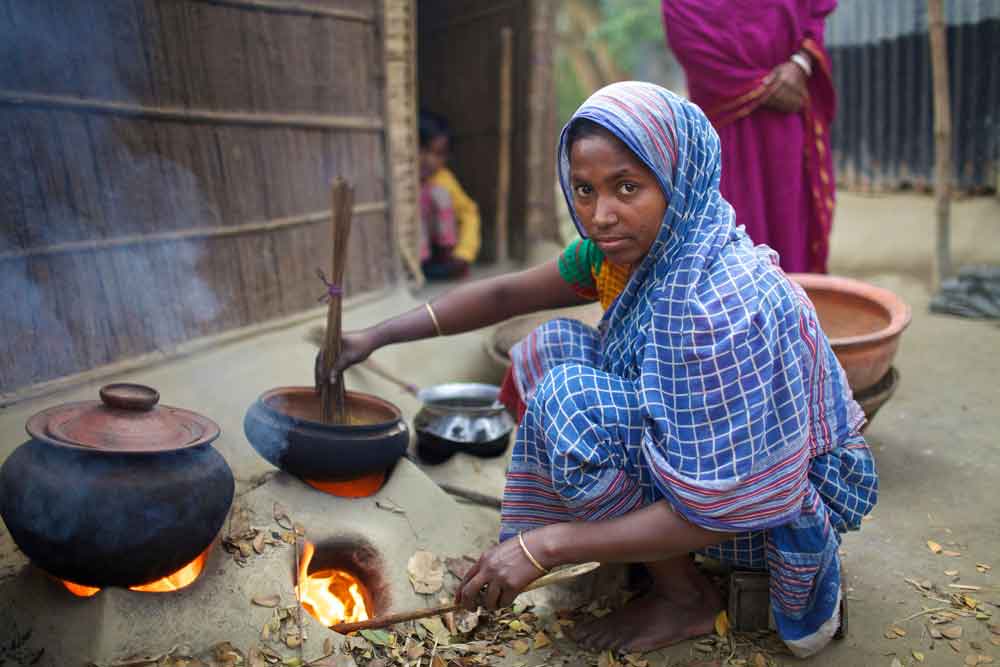
Cooking over traditional chulhas using firewood, coal, crop residues or dried animal dung releases harmful pollutants into the air. Women who spend several hours cooking in poorly ventilated kitchens can inhale these pollutants over many years.
The exposure is particularly concerning in households where cooking spaces have inadequate ventilation or where women have limited access to cleaner cooking technologies.
A study published in the Calicut Medical Journal, examining 2,868 Indian women with at least 10 years of biomass fuel exposure, found that 18.4 per cent had COPD confirmed through spirometry. Of these, 14.2 per cent were newly diagnosed, highlighting the extent to which the condition had previously gone undetected in this study population.
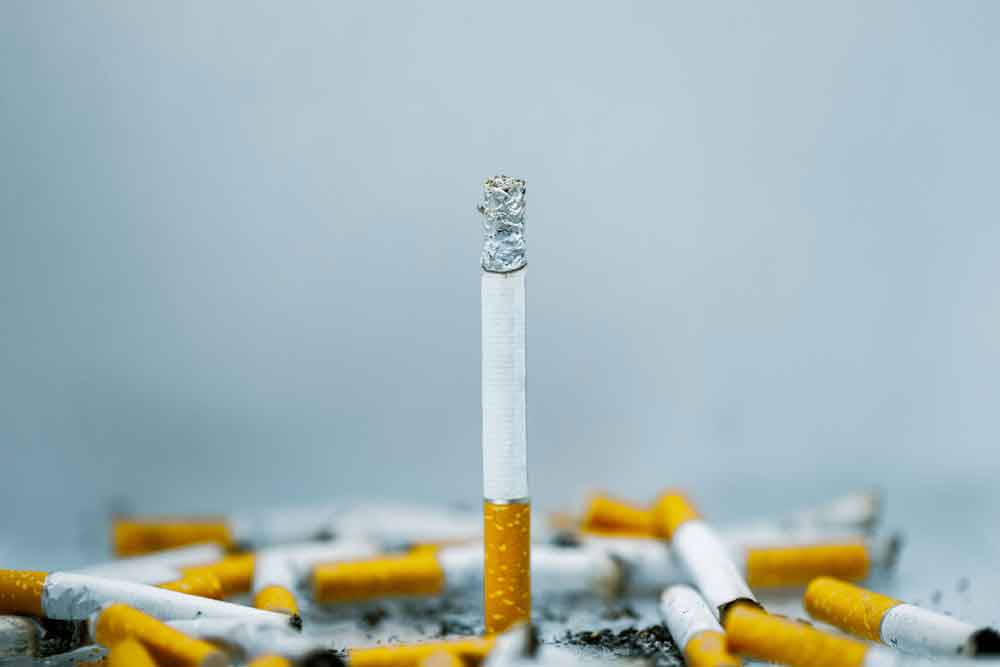
Second-hand tobacco smoke is another overlooked risk. Women living with smokers may inhale tobacco smoke regularly, even if they have never used tobacco themselves. As per the International Journal of Chronic Obstructive Pulmonary Disease, 2023, a meta-analysis found that women exposed to second-hand smoke had twice the odds of developing COPD compared with women who were not exposed.
Importantly, COPD can also be influenced by childhood respiratory infections, impaired lung development, asthma and genetic factors. Occupational exposure can add to this. Women working in agriculture, textile units, construction, cleaning and other occupations involving dust, fumes or chemical irritants may experience prolonged exposure to respiratory hazards.
Diagnosis And Intervention
One of the biggest challenges in identifying COPD among women is that both patients and healthcare providers may overlook the warning signs. Many women prioritise family responsibilities and postpone their own healthcare needs. Breathlessness may be accepted as part of a demanding routine, while persistent coughing is tolerated for months without investigation. There may also be financial and practical barriers to seeking specialist care, particularly for women in rural communities. Limited access to respiratory specialists and spirometry facilities can further complicate diagnosis.
Another concern is the stigma associated with respiratory diseases. Women may feel uncomfortable discussing their symptoms, particularly when doctors or family members assume that COPD is linked exclusively to smoking. Some may also hesitate to undergo diagnostic investigations because of the perception that their symptoms are not serious enough to warrant medical attention. Hence, the symptoms are normalised and the disease is identified only when breathing difficulties begin to interfere significantly with everyday life.
The Impact Of COPD
Climbing a flight of stairs, carrying groceries, walking to the local market or managing household chores can become exhausting for women with COPD. For working women, breathlessness can affect productivity and the ability to manage physically demanding tasks. Social participation may also decline as women begin avoiding outings, family gatherings and activities that involve walking or exertion.
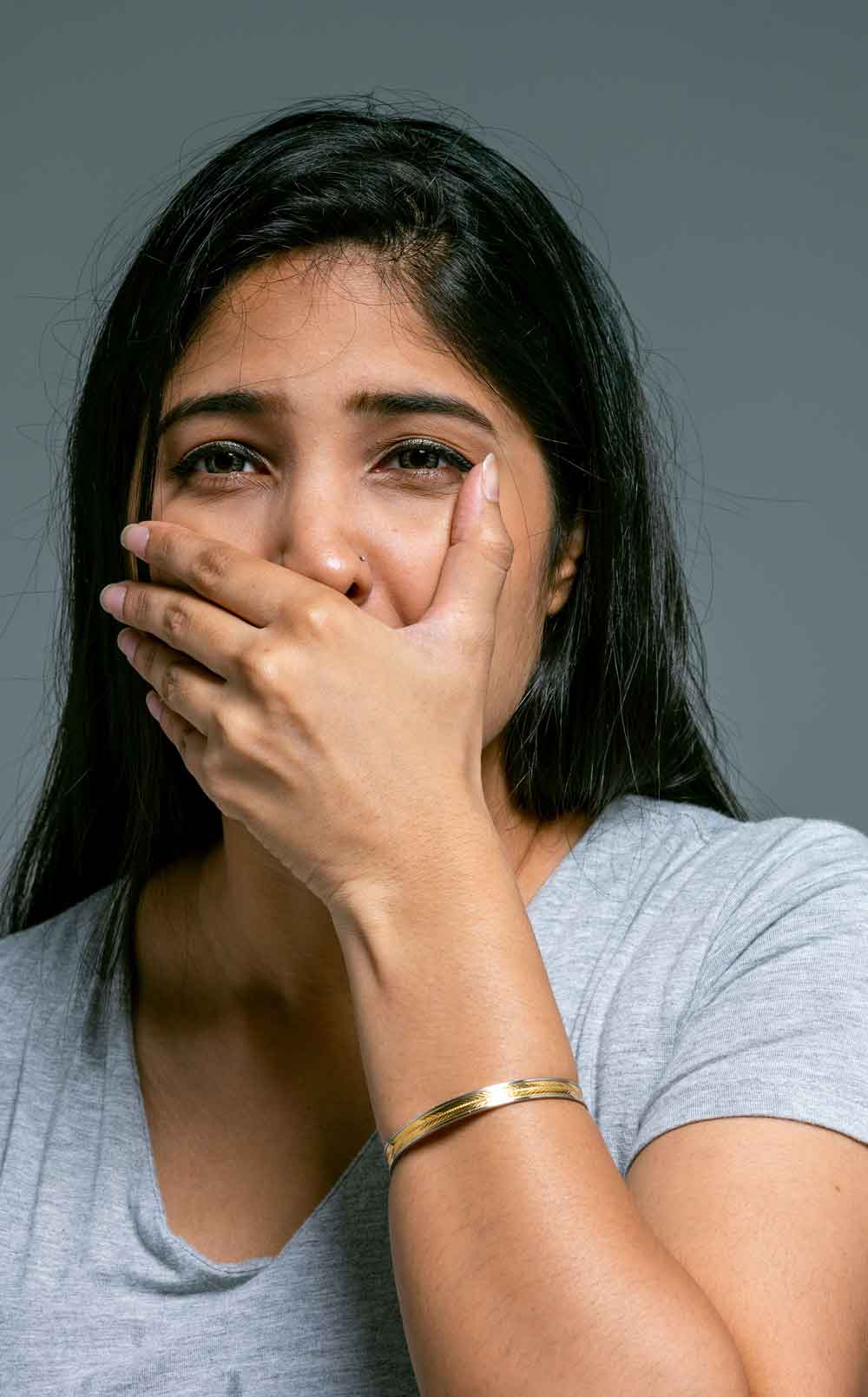
There is also an emotional impact. Living with persistent breathing difficulties can cause anxiety, frustration and social isolation. Some women may feel guilty about being unable to fulfil responsibilities they previously managed with ease.
Treating And Managing COPD
The good news is that COPD is treatable, even though it currently has no cure. Early identification and appropriate management can help control symptoms, improve quality of life and reduce the risk of exacerbations.
The first step is recognising when persistent respiratory symptoms need medical evaluation. Women experiencing unexplained breathlessness, chronic cough, wheezing or recurring chest infections, particularly if they have a history of exposure to cooking smoke, tobacco smoke or occupational pollutants, should consult a healthcare professional.
The key diagnostic investigation is spirometry, a simple breathing test that measures how much air a person can exhale and how quickly they can do so. It helps identify airflow obstruction and is essential for confirming COPD in the appropriate clinical setting.
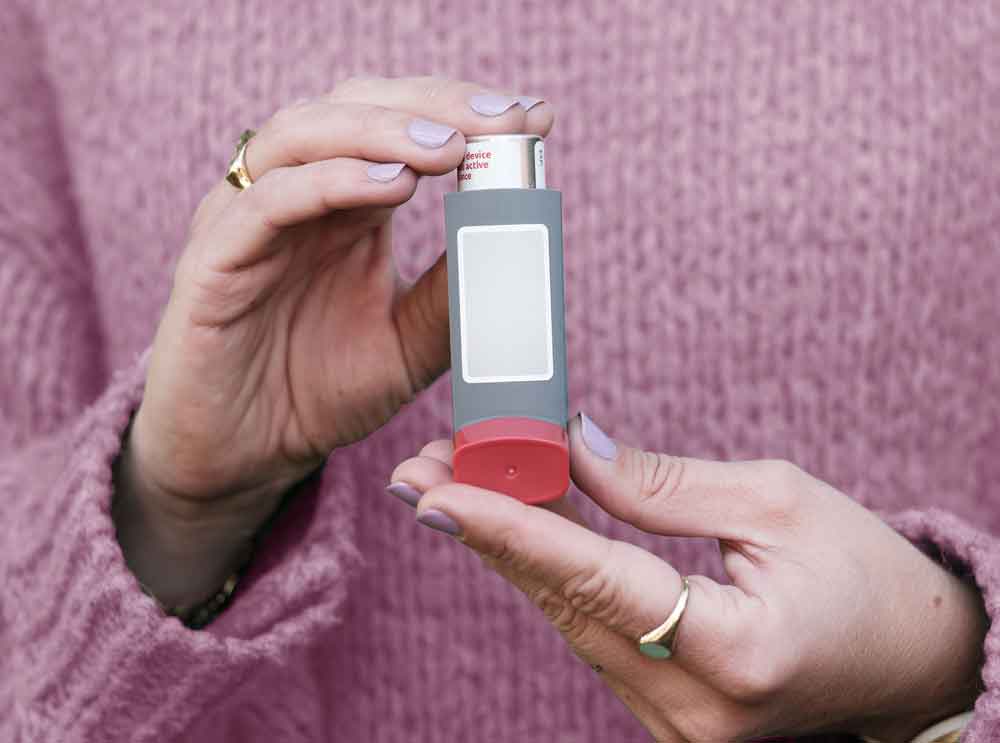
Once diagnosed, treatment is tailored to the individual's symptoms and disease severity. It may include inhaled medicines, particularly bronchodilators that help open the airways, pulmonary rehabilitation, appropriate vaccinations and strategies to reduce exposure to harmful pollutants.
Quitting smoking (where relevant), avoiding second-hand smoke, improving kitchen ventilation and transitioning to cleaner cooking fuels can also help protect lung health. Pulmonary rehabilitation, which combines supervised exercise, breathing techniques and education, can improve exercise tolerance and help patients manage everyday activities more comfortably.
Treatment should not be delayed until symptoms become severe. Healthcare providers must look beyond smoking history when evaluating respiratory symptoms and women should feel empowered to seek medical attention.

 home
 HERoes
 StrongHER
 exclusive
 bizruptors
 connect
 showcase
 engage
 grow
 goals
 period goals
 fertility and pregnancy goals
 diet and fitness goals
 finance goals
 help
 contest
 about us


