World Arthritis Day: The Gender Gap In Joint Pains

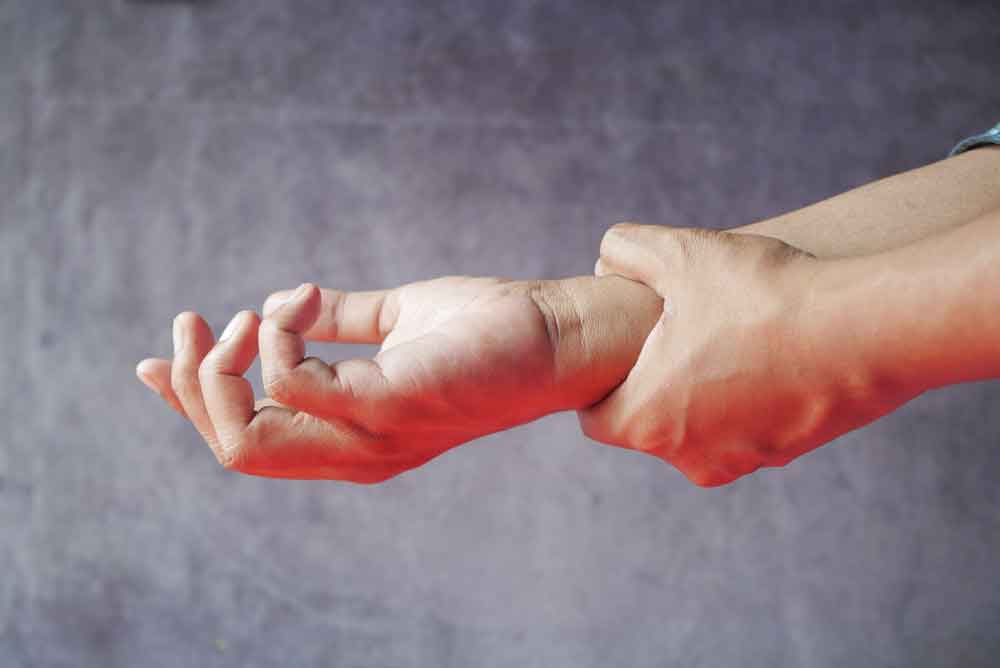
A woman’s knees may hurt while climbing stairs, or her fingers may ache while chopping vegetables. Small things like getting out of bed in the morning take longer than they used to. Yet, women tend to ignore the pain when it first begins. Whether it is an aching back after hours at a desk, swelling in the hands or a shoulder that refuses to move freely, she works around the discomfort. What begins as a minor inconvenience can gradually become a part of everyday life, until the pain starts limiting the things she once did with ease.
For many women, joint pain is casually attributed to age, weight, pregnancy, menopause, or overwork. A painkiller is only taken when the pain becomes unbearable. But this normalisation can come at a cost.
October 12, World Arthritis Day, is a useful reminder that persistent joint pain is not something women should simply learn to live with.
Why Is Arthritis More Common In Women?
Arthritis is not one disease but an umbrella term covering more than a 100 conditions affecting joints and surrounding tissues. Osteoarthritis (OA), rheumatoid arthritis (RA), psoriatic arthritis and other inflammatory or autoimmune forms can have very different causes and symptoms.
Across several major types, women are disproportionately affected. Osteoarthritis, the most common form, becomes increasingly common with age and is particularly prevalent among women after menopause. Hormonal changes, particularly the decline in oestrogen, may also affect joint tissues. However, the relationship is complex and hormonal changes are only one of the several factors that can contribute to joint pain and stiffness.
Rheumatoid arthritis, an autoimmune disease in which the immune system mistakenly attacks the body’s joints, is also considerably more common in women than men. Researchers believe the difference may involve a combination of genetics, sex hormones and immune-system differences.
Other conditions have their own gender patterns. Some autoimmune diseases that can involve the joints, for instance, occur predominantly in women. There is no single gene or explanation that accounts for all of this. Rather, it is a combination of women's biology, genetics, hormones, age, pregnancy history, body composition and environmental exposures can intersect in complicated ways.

Normalising Pain
Despite experiencing joint pain, many women have been conditioned carry on regardless. Breakfast still has to be made, children need to get to school, presentations and deadlines still have to be met or elderly parents may need care, and a house that will not run itself.
Domestic work can also be physically demanding and rarely come with sick leave. Lifting children, carrying shopping bags, cooking, washing clothes and spending hours standing can all place mechanical stress on the body.
Women may also be more likely to put other people's health before their own. The result can be a dangerous cycle. Pain is ignored, movement decreases, muscles weaken, daily activities become harder, and over time, the condition may eventually have a greater impact on mobility and quality of life.
Is Exercise Good For Arthritic Joints?
One of the most persistent myths surrounding arthritis is that painful joints need complete rest. In reality, for many people with arthritis, appropriate physical activity (advised by a medical practitioner) or physiotherapy is part of treatment.
Exercise can strengthen the muscles supporting joints, improve flexibility and balance, help maintain mobility and support healthy body weight. Low-impact activities such as walking, swimming, cycling, yoga or strength training may be suitable depending on the person's condition and fitness level.

The right programme depends on the type and severity of arthritis, which joints are affected and whether there is active inflammation. Someone with rheumatoid arthritis, for example, may need a different approach during a flare-up than someone with uncomplicated knee osteoarthritis. A physiotherapist or doctor must help create an appropriate programme. Rather than trying to exercise harder, you must move intelligently and consistently.
What About Diet?
There is no miracle diet for arthritis, and anyone claiming that a single food or supplement can cure it should be viewed with caution. However, a balanced diet can support overall health and, particularly for people with osteoarthritis, help maintain a healthy body weight. This matters because excess weight increases the mechanical load on weight-bearing joints such as the knees and hips, which can contribute to pain and reduced mobility.
A balanced eating pattern built around vegetables, fruits, whole grains, pulses, nuts, seeds and adequate protein can support overall health. Foods rich in omega-3 fatty acids, such as certain fish, may also have anti-inflammatory properties, although diet should complement and not replace medical treatment. For people with inflammatory arthritis, any dietary changes should be discussed with a doctor or registered dietitian. Food choices can support wellbeing, but they should never be used as a substitute for prescribed medication or other appropriate treatment.

Can Arthritis Run In The Family?
Genetics can indeed play a role in arthritis, but having a family history does not mean a woman will definitely develop the condition. Certain genetic factors can increase susceptibility, particularly to autoimmune diseases such as rheumatoid arthritis.
Family history should therefore worth discussing with a doctor. If a mother, sister or other close relative has rheumatoid arthritis or another autoimmune condition, for instance, persistent joint symptoms may warrant closer attention.
For osteoarthritis, genetics can also contribute, alongside factors such as age, previous joint injuries, body weight, muscle strength and overall joint health. Knowing your family history is useful not as a reason to worry, but as a reason not to dismiss persistent symptoms.
Challenges In The Workplace
Eight hours at a desk can aggravate back, neck and shoulder discomfort. Constant keyboard and mouse usage may be difficult for someone with painful hands or wrists. Long commutes, crowded public transport, stairs and prolonged standing can add another layer of difficulty. Small workplace changes can help after seeking medical advice on how to navigate the situation.
Take regular movement breaks rather than remaining seated for hours. Adjust the chair and screen so that the workstation supports a comfortable posture. Consider ergonomic keyboards or other adaptations if hand or wrist symptoms make typing difficult. Use lifts instead of stairs when joints are painful, where practical. Discuss flexible working arrangements or reasonable workplace accommodations if symptoms are affecting productivity or mobility. Most importantly, don’t wait until the pain becomes severe before seeking help.
When Should You See A Doctor?
See a doctor if you have persistent or recurring symptoms that deserve attention, especially:
*Ongoing joint pain, swelling, or stiffness, particularly if it interferes with sleep, work, exercise, or everyday activities.
*Morning stiffness that lasts a long time.
*Repeatedly swollen joints or pain affecting several joints.
*Unexplained fatigue.
*Warmth or redness around a joint.
*Symptoms that are progressively worsening.
Rheumatologist and immunologist Dr Bhavya Vishwanathan from Madurai explains, ‘Mechanical joint pain, as seen in osteoarthritis, often worsens with activity and eases with rest, while inflammatory arthritis may cause prolonged morning stiffness, swollen joints and stiffness after inactivity. However, symptoms can overlap. Persistent swelling in the small joints of the hands or feet, or symptoms affecting multiple joints, warrants timely rheumatology assessment. Normal inflammatory markers or a negative rheumatoid factor do not rule out rheumatoid arthritis. Diagnosis depends on the overall clinical picture, and investigations should not delay specialist assessment when inflammatory arthritis is suspected.’
She adds, ‘Effective treatments can control disease activity and preserve joint function, making early diagnosis and treatment crucial to preventing damage. Painkillers alone are insufficient, as pain relief does not necessarily mean inflammation is controlled. Treatment must be individualised, monitored regularly and adjusted according to disease activity. The aim is not just short-term comfort, but to preserve mobility, independence and quality of life in the long term.’
Early assessment matters especially when inflammatory arthritis is suspected, because timely treatment can help prevent lasting joint damage. You should not have to wait until you are not able to walk, work or care for your family before seeking medical attention.
Avoid self-diagnosing based on an internet search and remember that normal blood tests do not automatically rule out every form of arthritis. Diagnosis may involve a combination of medical history, physical examination, blood tests and, where appropriate, X-rays, ultrasound or other imaging.

 home
home HERoes
 StrongHER
 exclusive
 bizruptors
 connect
 showcase
 engage
 grow
grow goals
goals period goals
 fertility and pregnancy goals
 diet and fitness goals
 finance goals
 help
help contest
 about us


