Desk Jobs, Long Commutes and the Pelvic Health Problems Women Often Ignore
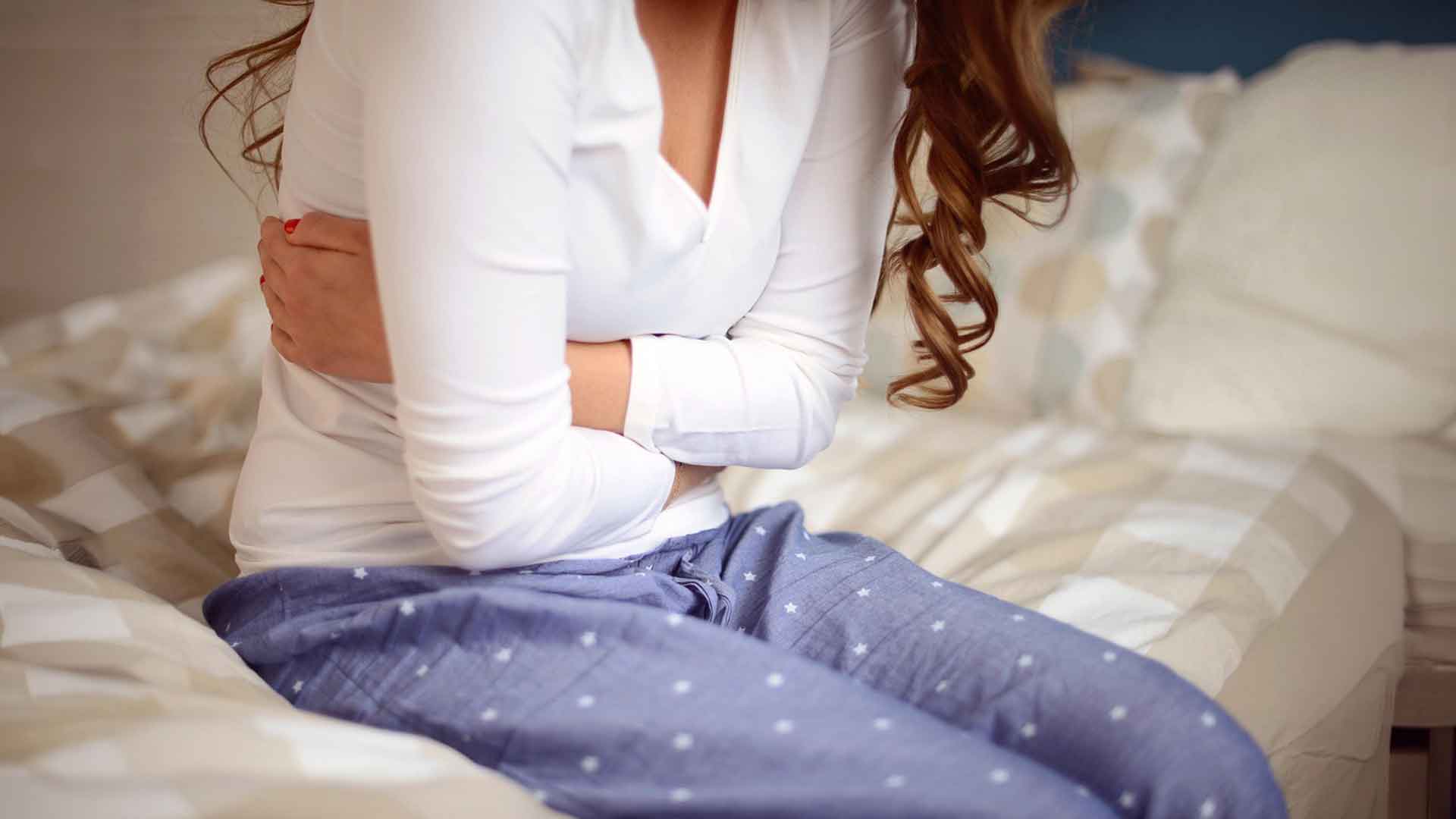
You’ve been stuck in traffic for an hour, desperately looking for a clean washroom. You finally reach the office, settle into your chair and spend the next four hours jumping from one meeting to another. Lunch happens at your desk, your water bottle remains untouched, and the next time you get up is when the workday is almost over.
Sound familiar?
For many working women, this is simply what a regular weekday looks like. But while we often talk about how long commutes and sedentary jobs affect our backs, sleep and mental health, there’s another part of our wellbeing that deserves attention: pelvic health.
Doctors in Bengaluru have highlighted concerns about pelvic-floor problems among younger women, including those in their teens and twenties. Pregnancy and childbirth can be important risk factors, but they are not the only ones. Women who have never been pregnant can also experience pelvic-floor dysfunction, urinary urgency, pelvic pain and discomfort during sex.
The takeaway? Pelvic health is not something women should have to think about only after childbirth or only when a problem becomes impossible to ignore.
First, what exactly is pelvic-floor health?
Think of your pelvic floor as a supportive layer of muscles and tissues at the base of your pelvis. It helps support organs such as the bladder, bowel and uterus, and plays a role in bladder and bowel control, as well as sexual function.
When these muscles are weak, overly tight or not coordinating properly, symptoms can show up in different ways. Some women may experience urine leakage when coughing, sneezing or exercising. Others may feel an urgent need to urinate, have difficulty emptying their bladder or bowels, or experience pelvic pain and pain during intercourse.
Not every symptom points to the same problem, though. Urinary urgency, for instance, can have causes such as a urinary tract infection, while pelvic pain may be linked to several gynaecological or musculoskeletal conditions. This is why a proper assessment matters more than trying to diagnose yourself through social media.
How can our everyday routines affect pelvic health?
1. Sitting through the entire workday
When deadlines pile up, taking a break can feel like a luxury. But spending prolonged periods sitting with little movement can be part of a broader sedentary lifestyle that may affect overall musculoskeletal health and aggravate discomfort in some people.
It is important not to assume that sitting automatically causes pelvic-floor dysfunction. These conditions are multifactorial, and long desk hours are only one part of the conversation.
A practical starting point is to take regular movement breaks when possible. Stand up between meetings, walk around for a few minutes and change positions throughout the day. If sitting causes persistent pelvic discomfort, seek advice rather than simply pushing through it.
2. The long-commute washroom dilemma
For many women, using a public toilet is not always straightforward. Concerns about cleanliness, safety, accessibility or finding a washroom along the route can lead to delaying a bathroom break.
Occasionally having to wait is different from routinely ignoring the urge to urinate. Repeatedly postponing bathroom visits may contribute to unhealthy bladder habits, while inadequate access to clean, safe toilets makes the situation harder to manage.
The solution cannot simply be telling women to plan better. Workplaces, transport hubs and public spaces also need accessible, hygienic facilities. In the meantime, try not to make a habit of holding urine for long periods, and avoid deliberately restricting water intake just to get through a commute.
3. Constipation and straining
Pelvic health is connected to bowel health, too. Chronic constipation and repeatedly straining during bowel movements can place pressure on pelvic structures.
Adequate fluids, fibre-rich foods and regular movement can help support bowel regularity. If constipation persists, speak to a healthcare professional instead of relying on repeated self-treatment.
4. Assuming these problems happen only after childbirth
Pregnancy and childbirth can place considerable strain on pelvic-floor muscles, nerves and connective tissues. Hormonal changes, ageing and other health conditions may also play a role.
But pelvic-floor dysfunction is not exclusive to mothers or older women. Younger women and those who have never given birth can experience symptoms as well.
The idea that pelvic health matters only after pregnancy can leave women without the information they need to recognise a problem early.
Symptoms women should not have to brush off
Pelvic-health concerns can be uncomfortable to discuss, especially when they involve intimate parts of the body. But embarrassment should not become a reason to delay care.
Speak to a healthcare professional if you experience persistent or recurring symptoms such as:
- Urine leakage when coughing, sneezing, laughing or exercising.
- A sudden, frequent or difficult-to-control urge to urinate.
- Ongoing pelvic pressure or pain.
- Pain during sexual intercourse.
- Difficulty passing stools or repeatedly straining.
- Symptoms that interfere with work, exercise, travel, sleep or everyday activities.
These symptoms do not automatically mean you have pelvic-floor dysfunction. A clinician can assess possible causes, including urinary, gynaecological and muscular conditions, and recommend appropriate treatment.
Should every woman start doing Kegels?
Kegel exercises are often recommended online as a quick fix for pelvic-floor problems. They involve contracting and relaxing the pelvic-floor muscles and can help some people, particularly when the muscles need strengthening.
But they are not a universal solution.
Some women have pelvic-floor muscles that are already overly tight or do not relax and coordinate properly. Repeatedly contracting these muscles without understanding the underlying problem may worsen symptoms such as pelvic pain or pain during sex.
Depending on the assessment, treatment may involve pelvic-floor physiotherapy, muscle relaxation and coordination training, supervised strengthening, bladder training or medical treatment for an underlying condition.
Before following an exercise routine you found online, speak to a gynaecologist, urogynaecologist or appropriately trained pelvic-health physiotherapist, especially if you are experiencing pain.
Women's health needs more than individual lifestyle hacks
It is easy to turn every health concern into another item on a woman's to-do list: drink more water, exercise regularly, take breaks, eat better and remember your appointments.
These habits can help, but they do not address the whole picture. A woman cannot take a bathroom break if her workplace discourages it, and she cannot find a clean public toilet where none exists. Nor should she have to choose between meeting a deadline and attending to a basic bodily need.
Pelvic health deserves the same matter-of-fact attention as any other aspect of healthcare. That means better awareness, accessible toilets, supportive workplace policies and medical professionals who take women's symptoms seriously.
You do not have to wait until discomfort disrupts your life to ask for help. Your body is not being dramatic, and you do not have to accept persistent pain, leakage or urinary urgency as the price of having a busy schedule.
Sometimes, looking after yourself starts with something as ordinary as taking a break. And sometimes, it starts with recognising that a symptom deserves medical attention.

 home
 HERoes
 StrongHER
 exclusive
 bizruptors
 connect
 showcase
 engage
 grow
 goals
 period goals
 fertility and pregnancy goals
 diet and fitness goals
 finance goals
 help
 contest
 about us


