
 home
home HERoes
 StrongHER
 exclusive
 bizruptors
 connect
 showcase
 engage
 grow
grow goals
goals period goals
 fertility and pregnancy goals
 diet and fitness goals
 finance goals
 help
help contest
 about us


World Cotton Day: The Relationship Between Indian Women And The Fabric
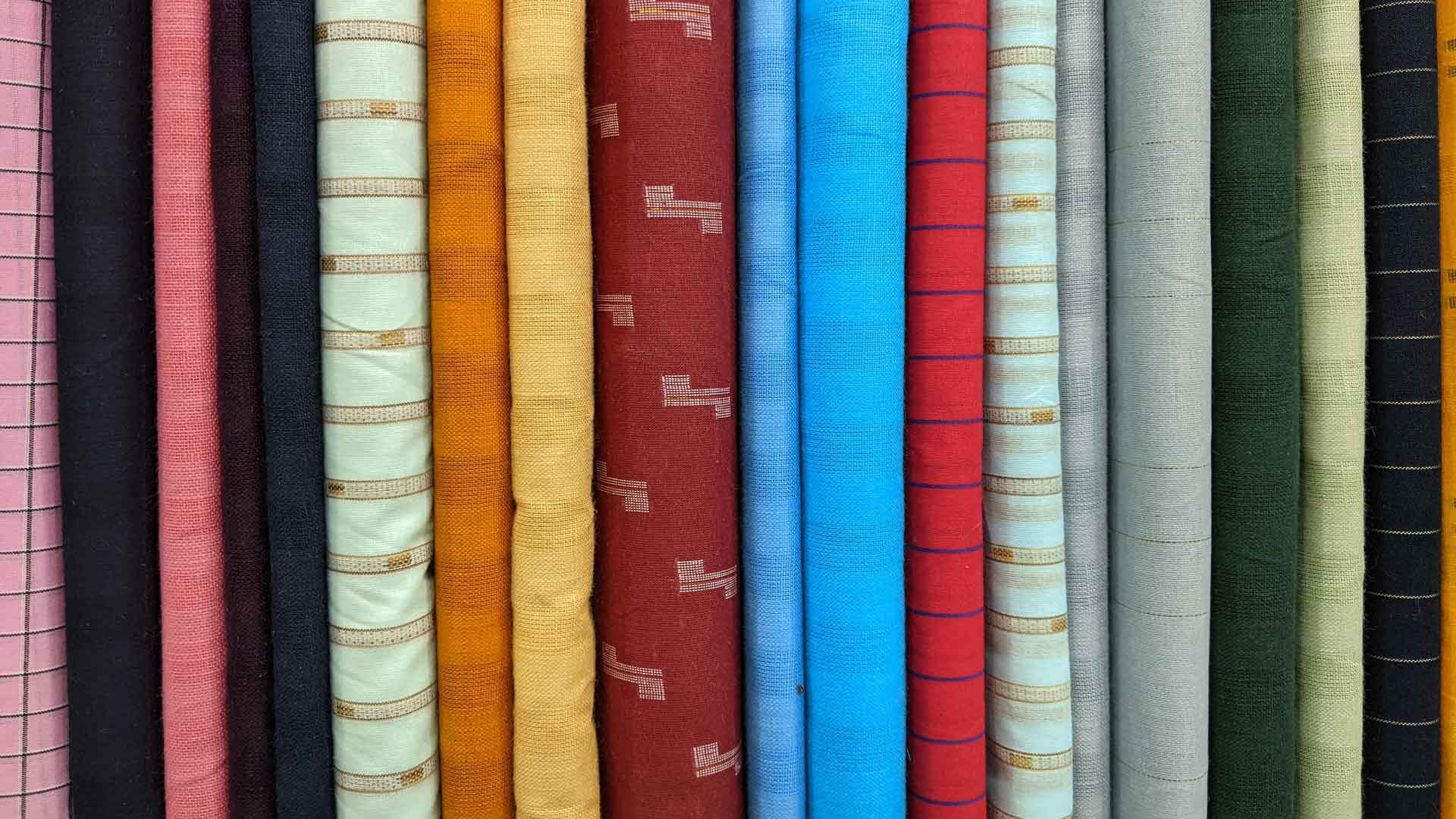
Every morning across India, millions of women choose almost unconsciously to wear a crisp cotton sari to work, or a handloom kurta on a hot afternoon. Whether it is a nightdress or bedcover, cotton is such a familiar household item that we pay no specific attention to it.
Yet, for Indian women, it has been a livelihood, a political symbol, a source of household income and, at times, an instrument of resistance. On World Cotton Day, observed by the Food and Agriculture Organization (FAO) every October 7, cotton is celebrated for its contribution to livelihoods and economic development.
A Fabric With A History
Long before cotton became a global commodity, it was being cultivated and woven in the Indian subcontinent. Indian cotton textiles were prized across the world for their quality and craftsmanship. Fine muslins from Bengal, colourful printed textiles from the west and handwoven fabrics from different parts of the country travelled along ancient trade routes.
Then came the British Empire. The British colonial economy transformed India's relationship with cotton. India became an important supplier of raw cotton to British textile mills, particularly during the Industrial Revolution, while Indian textile production faced policies and competition that weakened many traditional weaving communities. Cotton became part of a global economic system in which the raw material could travel out of India, be processed elsewhere and return as manufactured cloth. The irony was not lost on India's freedom movement.
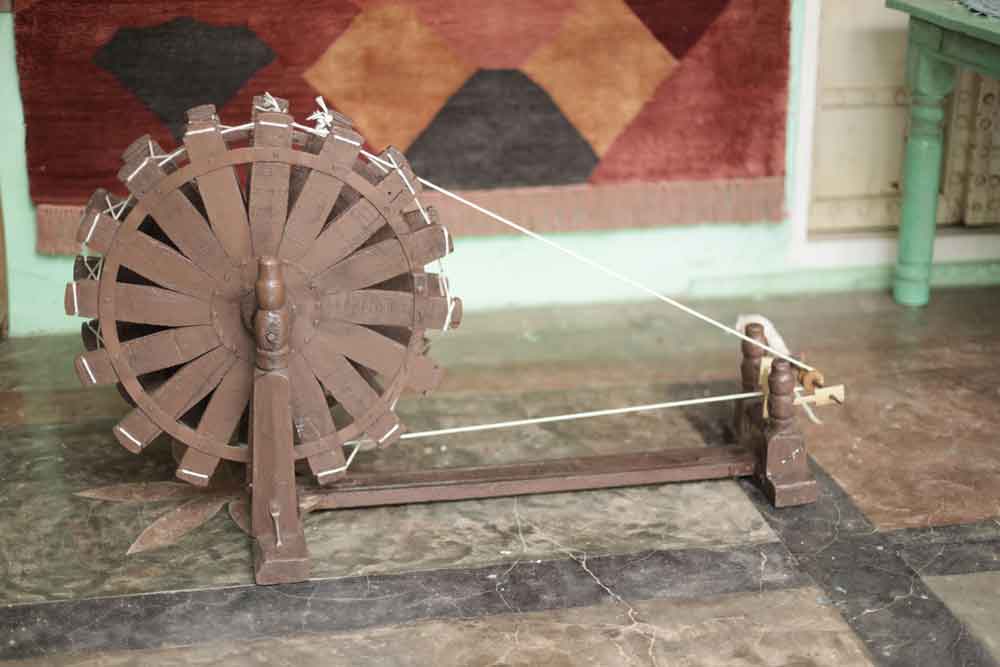
Mahatma Gandhi's spinning wheel or charkha, turned cotton into a symbol of self-reliance. Spinning was not simply about producing yarn, but a political act. Women, many of whom were excluded from formal political spaces, could now participate in the nationalist movement through spinning and the promotion of Khadi. India's people could reclaim control over what they wore and, symbolically, over their economy.
The Women Behind The Thread
Today, women participate at almost every stage of the cotton chain. This includes cultivating and picking cotton, sorting and cleaning fibre, spinning yarn, working in textile and garment factories, weaving, dyeing, embroidering, stitching, finishing and selling garments. Yet much of this work remains poorly paid, informal or simply uncounted.
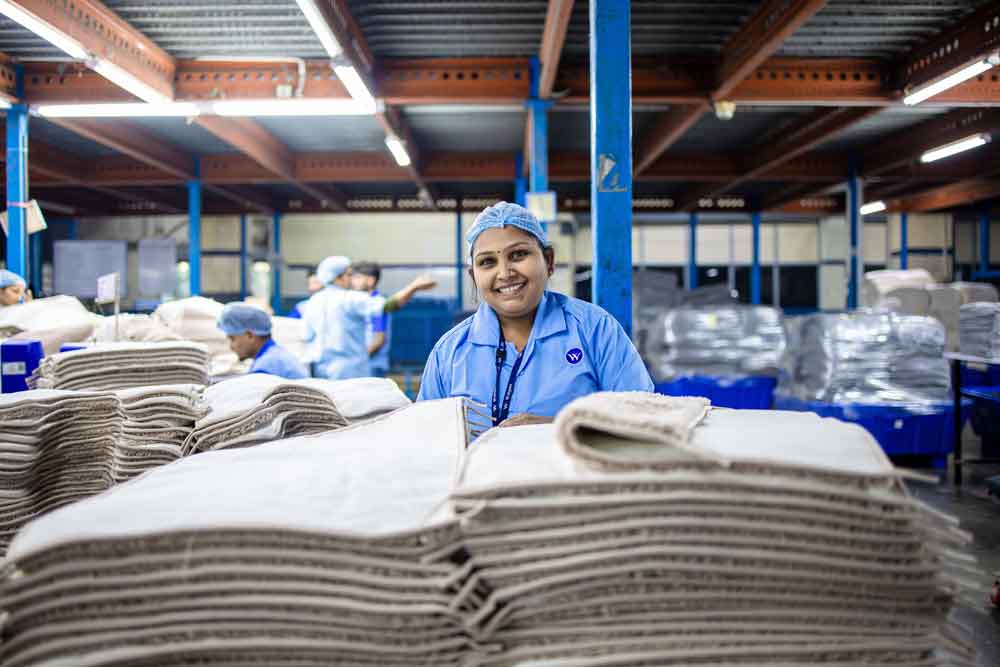
Cotton picking is particularly associated with women's labour. In many farming communities, women contribute substantially to agricultural work while their contribution may be recorded as family labour rather than as employment. Their work begins early, is physically demanding and can be seasonal, leaving them with uncertain incomes.
Further along the chain, women are concentrated in many labour-intensive activities in textile and garment production. Some work from home, taking in stitching, embroidery or finishing work that allows them to combine paid labour with childcare and household responsibilities. Flexibility is valuable, but it can also conceal exploitation because wages, working hours and working conditions can become difficult to monitor.
The sari hanging in a shop represents the work of a farmer, a picker, a spinner, a weaver, a dyer, a tailor and a salesperson. But each woman probably receives only a fraction of the final value, and some never know where the fabric they helped produce eventually ends up.
The Everyday Power Of Cotton
Cotton remains deeply embedded in Indian women's wardrobes. It works with the climate and is breathable, versatile and relatively easy to maintain. A cotton sari can be formal or everyday, while a kurta can belong in a corporate office, a classroom or a home. Handloom cotton has also become associated with ideas of craft, regional identity and ethical consumption.
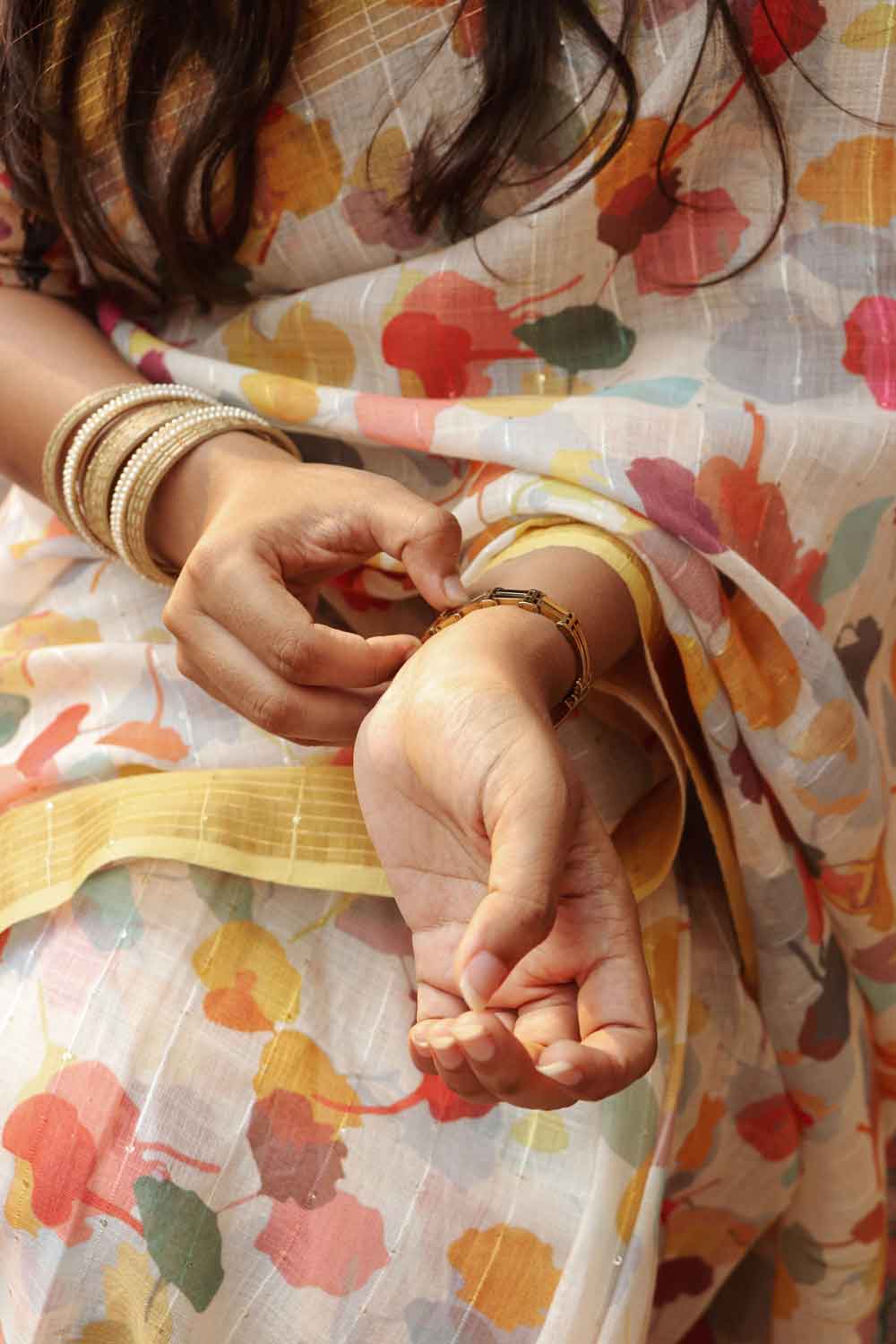
Of late, cotton has also taken on a new dimension. Working women today have gradually begun to use cotton trousers, shirts, kurtas and contemporary workwear. The fabric has adapted to changing ideas of what women's work looks like.
Is Cotton Sustainable?
Cotton is natural and biodegradable, but that does not automatically mean sustainable. Conventional cotton cultivation can require significant amounts of water, pesticides and other agricultural inputs, depending on where and how it is grown. The environmental footprint varies greatly between regions, farming practices and production systems. Organic cotton can reduce reliance on synthetic agricultural chemicals, while better irrigation, soil management and pest-control practices can reduce environmental pressures.
Sustainability also extends through other processes such as spinning, dyeing, processing, transport, garment production, washing and disposal. A cotton T-shirt may be made from a natural fibre, but its overall footprint depends on how it was produced and how long it is worn.
Also, a truly sustainable cotton industry cannot ask only whether the soil and water are protected. It must also ask whether the woman who picked the cotton was paid fairly, whether the garment worker had safe working conditions, and whether the person who stitched the final seam has any security or bargaining power. For women, environmental sustainability and economic justice are often inseparable.
India's Place In The Global Chain
India occupies a significant position in the global cotton economy. It is a major producer and consumer of cotton and has a large textile and apparel industry, linking farmers and artisans to domestic and international markets.
However, the carbon footprint is significant. A bale of fibre can move to a spinning mill, become yarn, travel to a weaving or knitting unit, be dyed and finished, cut and stitched into garments, and finally cross a border to reach a consumer thousands of kilometres away. The global fashion industry makes these connections increasingly complex.
This means that as consumers, women have more power to make the right choices than they may realise. When we buy an article made of cotton, we are participating in that chain. Questions about durability, repair, provenance, wages and production methods are therefore not niche concerns, but valid questions about the kind of textile economy we want.
The next time we slip into a cotton shirt or lay out a cotton bedsheet, perhaps we can look beyond the fabric and its quality to ask who made it, under what conditions and at what cost.