The Mic Is Hers: Podcasts Are Giving Indian Women Space To Tell Their Stories
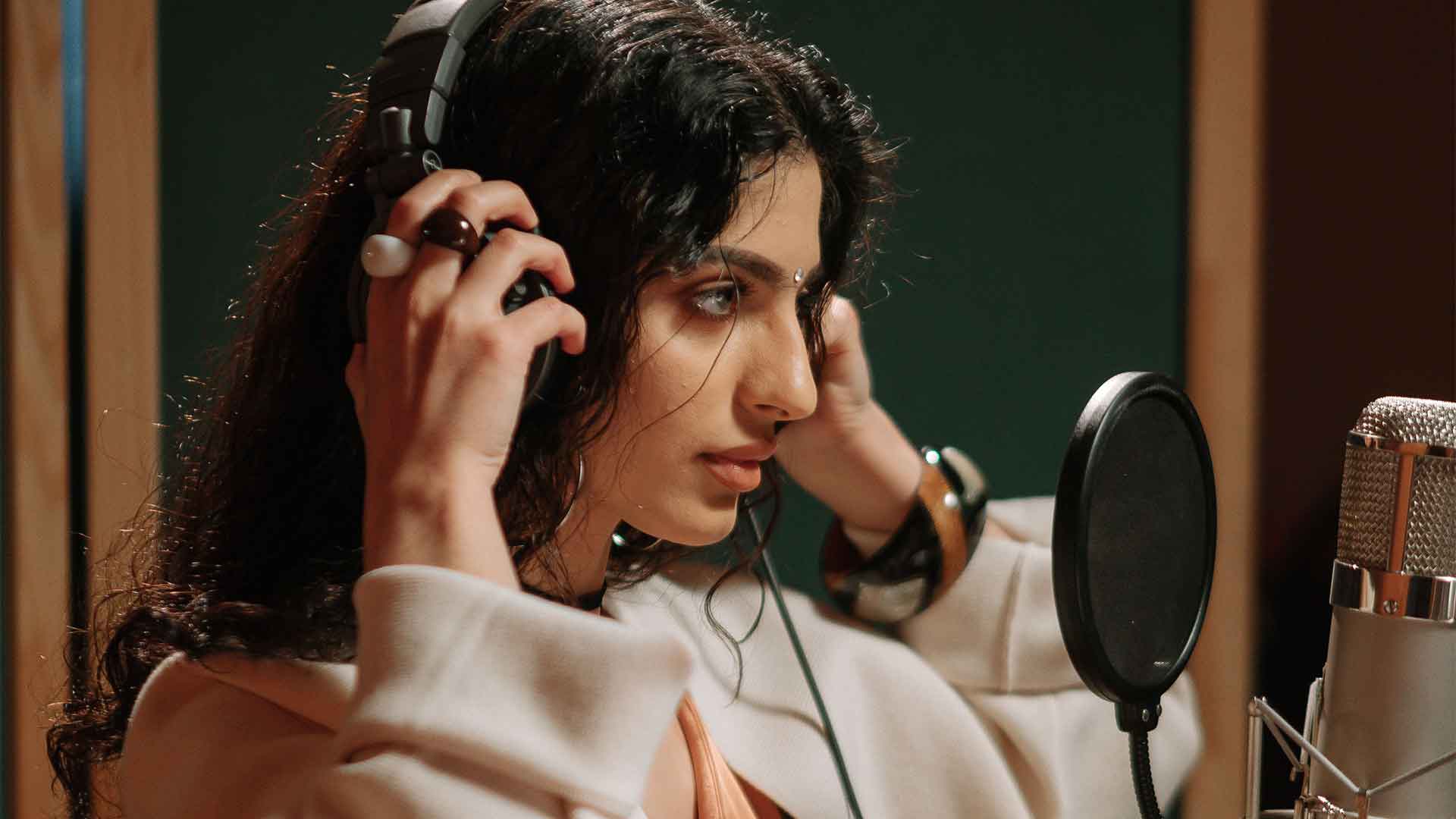
There are stories women have always told each other, but rarely in public. They’ve confided about what it really felt like to leave a marriage, the grief of a miscarriage, the complicated business of money, loneliness, motherhood, divorce, ageing and even ambition. For decades, women with such stories had gatekeepers like a journalist, editor, publisher, television producer or radio station. Even then, the story probably emerged as a sanitised 600-word article, or a three-minute television interview. The podcast has changed that. Today, a woman with a phone and a microphone who has something to say can tell a story in her own voice, and in her own words.
India is already a huge and growing audience for this form. According to Pricewaterhouse Cooper’s (PwC) Global Entertainment & Media Outlook 2025–29, India had 177 million monthly podcast listeners in 2024, up from 154 million in 2023. The figure is projected to reach 267 million by 2029. But the significance of podcasting for women isn't simply the size of the audience, but the intimacy of the medium. A peer-reviewed study of independent women podcasters found that podcasting's conversational and relatively unrestricted format allowed women to explore personal, norm-challenging experiences in greater depth.

Raw, Honest And Healing
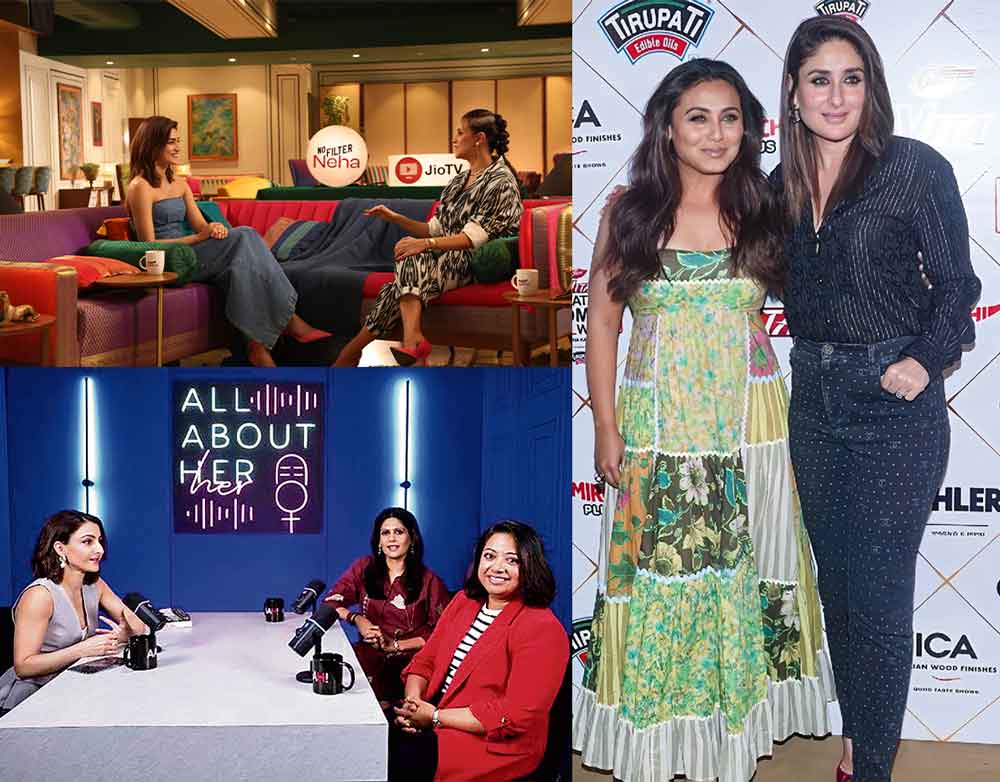
Soha Ali Khan wants to talk about the things women are usually expected to get on with, such as her body, her money, her mental health, or her marriage. That is the premise of All About Her, her podcast launched in August 2025. The show brings together celebrities, experts and women from different walks of life to talk about subjects ranging from nutrition and hormones to motherhood, fertility and financial independence. Its first guests included Malaika Arora with nutritionist Rujuta Diwekar, while later episodes have tackled money and egg freezing.
For Soha, the podcast grew partly out of a personal realisation. In her 40s, she found herself experiencing changes in her body that she hadn't anticipated. She has also spoken candidly about ageing in the public eye, fatigue, insecurities and learning to be kinder to herself. It is a striking admission from someone whose job has, for much of her career, involved being looked at. She has described All About Her as a space for conversations that are ‘raw, honest, uncomfortable, and healing’. She is also careful not to make the show exclusively about famous women, but a wide range of subject experts who can shed light on relevant topics.
It isn’t just film celebrities who have taken to the mic.
Consider Let's Talk Divorce, a podcast devoted to untold stories of Indian divorces and separations. Its episodes include women talking about family pressure to marry, financial and social difficulties, navigating family court and rebuilding their lives. Divorce is frequently reported as an event, but a woman's actual experience is rarely so linear. There may be pressure from parents before the marriage, financial dependence during it, children, lawyers, relatives, guilt, relief and the strange process of discovering who you are after the identity of being a wife has been removed.
Women's health has become another significant territory. She Says She's Fine, produced by Maed in India and hosted by gynaecologist Dr Munjaal Kapadia, explicitly sets out to create more open conversations around periods, contraception, miscarriage and IVF. One episode features a couple discussing their experience with IVF: the pressure of timing pregnancy alongside careers, choosing a doctor and navigating the emotional strain of fertility treatment.
The Pros And Cons Of Women’s Podcasting
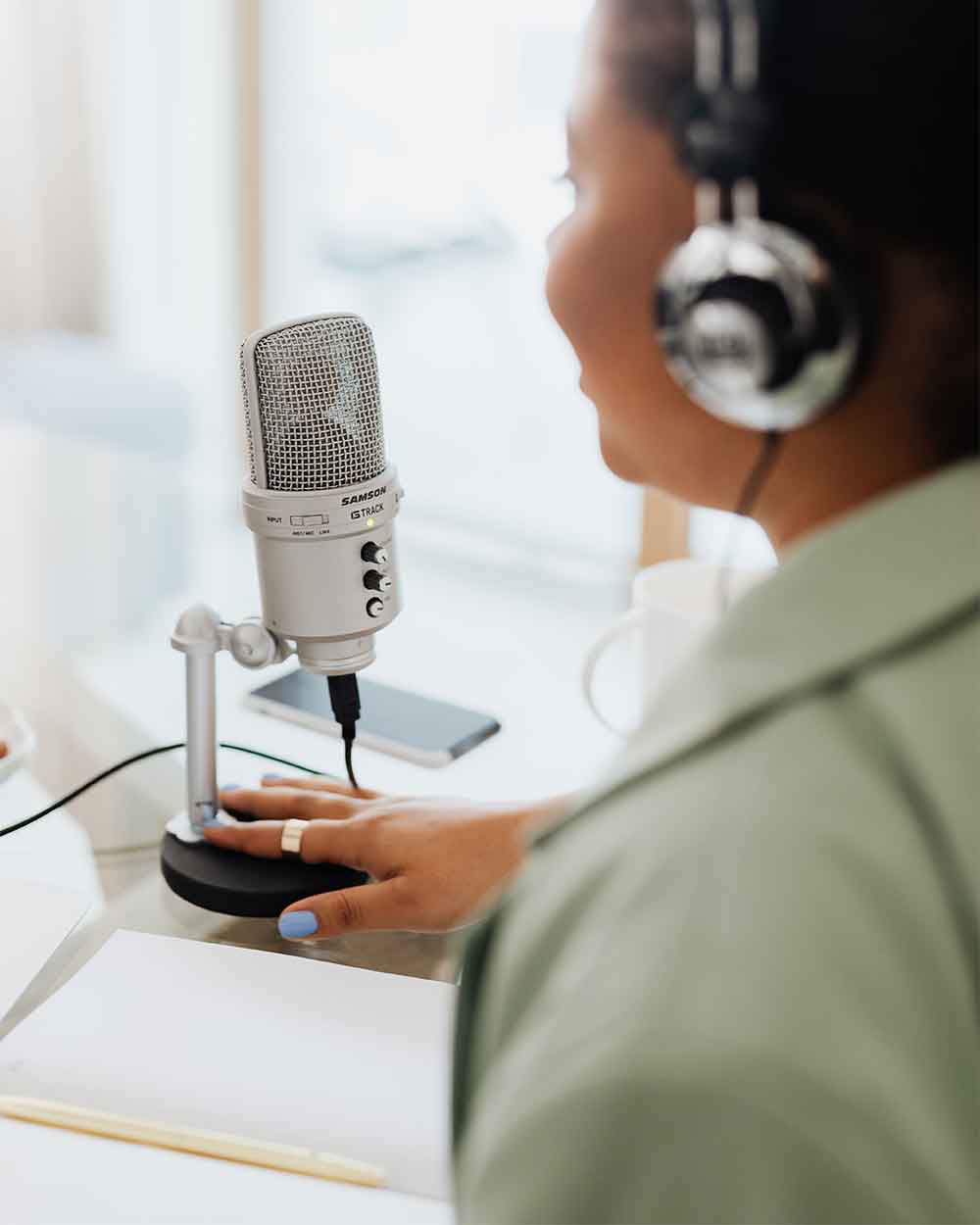
It isn’t that podcasts have suddenly made these subjects acceptable. Women have always spoken about them in kitchens, bedrooms, WhatsApp groups, doctors' waiting rooms and in whispered conversations with friends. It is just that private conversations have now become public, without first being vetted by an institution.
However, while podcasting removes some traditional editorial gatekeeping, it is not entirely free of consequences. There are still platforms, algorithms, advertisers and audiences. There can be trolling, harassment and reputational risk. Sometimes, editors can actually provide context, fact-check claims, and help vulnerable people think through what should be made public. So it isn’t that podcasts should have ‘no filters’, but rather women must have more control over the shape, length, language and complexity of their own narratives.
In India, there is yet another dimension to the podcast revolution, language. The 2024 Internet and Mobile Association of India (IAMAI)-Kantar Internet in India report estimates that 870 million internet users (98 per cent of India's internet users) accessed the internet in Indic languages in 2024. In urban India, 57 per cent said they preferred accessing internet content in Indic languages. Tamil, Telugu and Malayalam had particularly high conversion ratios for predominantly local-language internet use. So, while a woman may fluently work in English and text her colleagues in English, she probably thinks about her mother or argues with her husband in Tamil. Podcasting accommodates this linguistic diversity.
Control And Autonomy
The biggest shift that women no longer have to wait for a publisher or a newsroom to consider their experience newsworthy. They can become the host and producer themselves. Neha Dhupia was a pioneer in the podcast space, when she launched No Filter Neha, as an audio show a decade ago in 2016. She soon became a co-producer as well as host, and the show's premise was to get beyond the polished public image of celebrities. It subsequently moved into video and has been recognised for its rejection of sensationalism in favour of more candid conversations. As recently as 2024, Neha spoke at length about career, marriage, motherhood and raising two children.
Kareena Kapoor Khan's What Women Want, also began as a radio show and moved into digital video. Her conversations with women such as Rani Mukerji and Neena Gupta allowed audiences to see familiar public figures talking about motherhood, work, family and the compromises that accompany them. In one conversation for instance, Mukerji spoke about her premature daughter spending time in the NICU and the difficulty of returning to work after becoming a mother.
The appeal of these podcasts is fairly straightforward. They allow women to talk about subjects that are often reduced to a few questions or a passing mention elsewhere. There is more time and more control over the conversation. For a medium still expanding in India, that makes women’s podcasting worth paying attention to.

 home
home HERoes
 StrongHER
 exclusive
 bizruptors
 connect
 showcase
 engage
 grow
grow goals
goals period goals
 fertility and pregnancy goals
 diet and fitness goals
 finance goals
 help
help contest
 about us


