International Animation Day: Reimagining Indian Women’s Stories
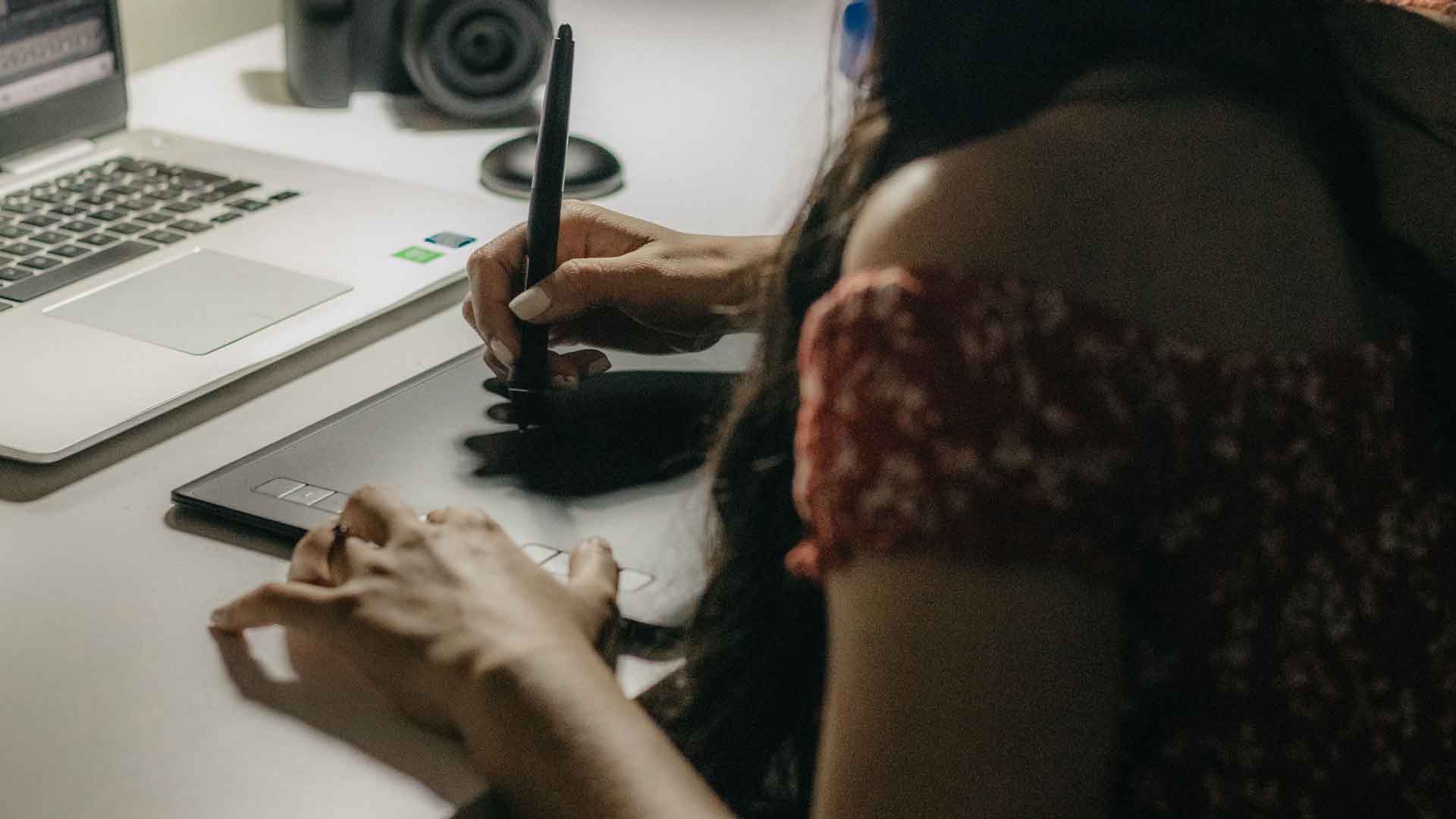
On October 28, International Animation Day celebrates the art of bringing still images to life. ASIFA, the International Animated Film Association, established the observance in 2002 to commemorate Émile Reynaud's public animation presentation in Paris on 28 October 1892.
Across India, stories have travelled for generations through grandmothers’ voices, regional folktales, painted scrolls, puppetry and oral traditions. Women have been their storytellers, custodians and, often, their central characters. Today, animation offers these stories fresh possibilities, preserving their visual and linguistic richness. It is also creating room for contemporary women whose lives are too complicated to fit neatly into the familiar categories of the dutiful daughter, self-sacrificing mother or damsel awaiting rescue.
Old Tales, New Possibilities
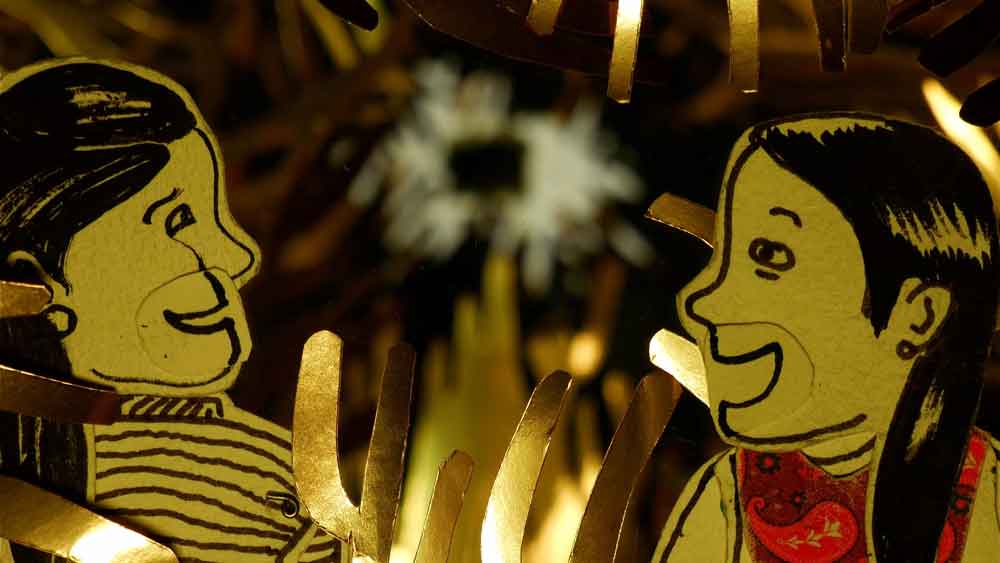
One compelling example is Avaar Navaar Chhoriyaan (Every Now and Then Girls…), a 2025 stop-motion animated film by Shefalee Jain and Shivi Bhatnagar. Adapted from the Rajasthani folktale Dohri Joon, the film relocates the story to contemporary Sheoganj in Rajasthan. Stories about girls unfold around oppressive patriarchal structures, female friendship, resistance and the possibility of imagining different futures. The hand-drawn, hand-cut stop-motion technique makes the work particularly interesting. The film demonstrates how regional storytelling can be adapted without losing its cultural specificity. Its Marwari language, local setting and folk origins matter as much as its feminist concerns.
Another recent example is Bharati Aur Bibo, an animated series produced by the National Film Development Corporation (NFDC) and Puppetica Media, directed by Sneha Ravishankar and premiered at the Mumbai International Film Festival in June 2026. Its young protagonist, Bharati, and her magical companion Bibo introduce audiences to real-life Indian women, including Ahilyabai Holkar, Rani Durgavati and Rani Rashmoni. By bringing historical women into an accessible animated format, the series makes their public contributions available to younger audiences.
Beyond The Perfect Heroine
For decades, popular children's animation in India has been dominated by male heroes. A 2023 analysis published in Communicator, the journal of the Indian Institute of Mass Communication, examined 15 Indian-origin cartoon shows. Its findings identified a marked preference for male protagonists and stereotypical gender roles, with female characters often occupying secondary positions or depending on male heroes for protection. The researchers also found that only five women were involved as directors or writers across the programmes examined.
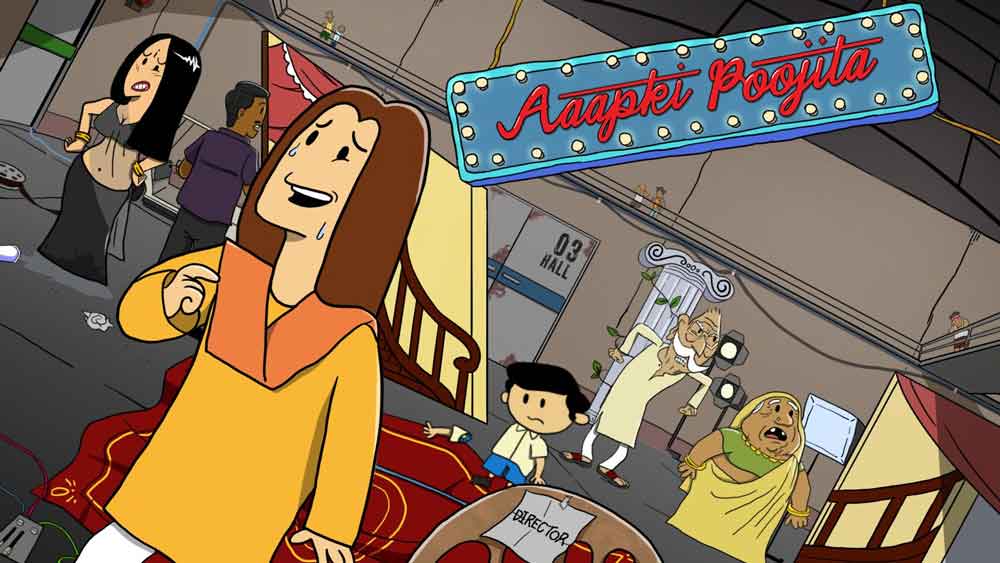
But consider Aaapki Poojita, an animated web series created by Sumit Kumar and Adhiraj Singh. Poojita is the relentlessly positive, dutiful Indian daughter-in-law, forever ready to solve her family's problems. Her exaggerated goodness becomes satire, exposing the exhausting expectations placed on women to remain cheerful, accommodating and endlessly available to others. The character that of a woman who can be praised for being good while being denied the space to express frustration, set boundaries or put herself first.
A different kind of complexity appears in Renuka Shahane's animated Marathi film Loop Line, where she explores the lives of housewives caught in loveless marriages and cycles of emotional and verbal abuse. Rather than assuming that every woman will eventually make a dramatic escape, the film asks what happens to those who cannot change their circumstances.
Meanwhile, Gitanjali Rao's hand-painted animated feature Bombay Rose centres on Kamala, a young dancer navigating love, precarious work and the realities of urban life. This woman is not a conventional symbol of virtue, but inhabits a world of desire, economic vulnerability and difficult choices.
Together, these works suggest a more expansive vision of representation. A girl can save herself, ask for help, make mistakes, fall in love or refuse expectations. Representation becomes meaningful when women are allowed the full range of human experience rather than just bravery or sacrifice.
The Women Bringing These Worlds To Life
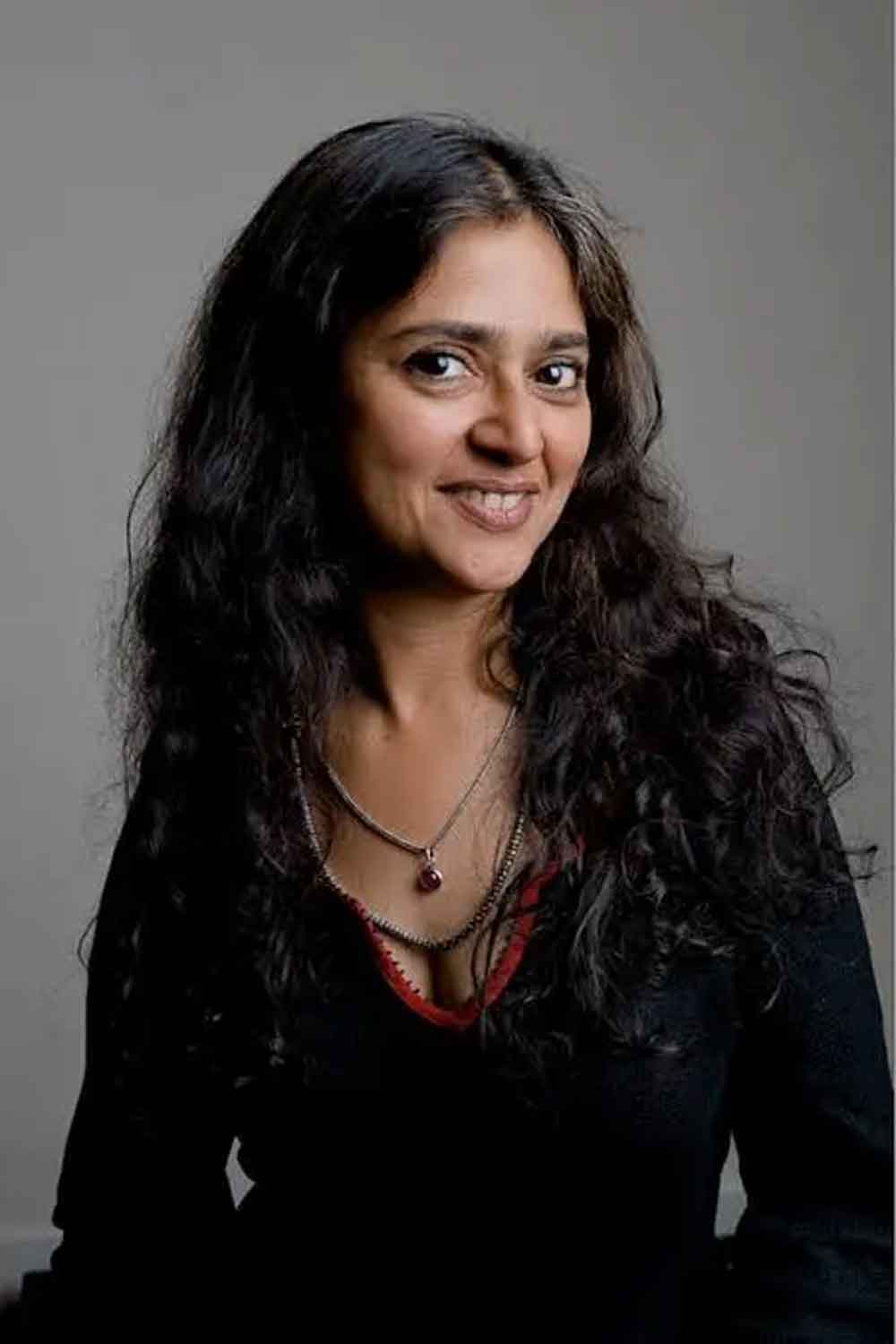
Another side to this transformation is the women creating the animation itself. Gitanjali Rao is a self-taught animator, filmmaker and illustrator, who built a body of independent work combining painting, theatre and Indian folk-art influences. Her short film Printed Rainbow, about an older woman whose collection of matchboxes offers an escape from loneliness, won three awards at Cannes Critics' Week in 2006 and went on to receive international recognition. Her career demonstrates that animation can be a deeply personal, author-driven art form rather than merely a technical service for commercial studios.
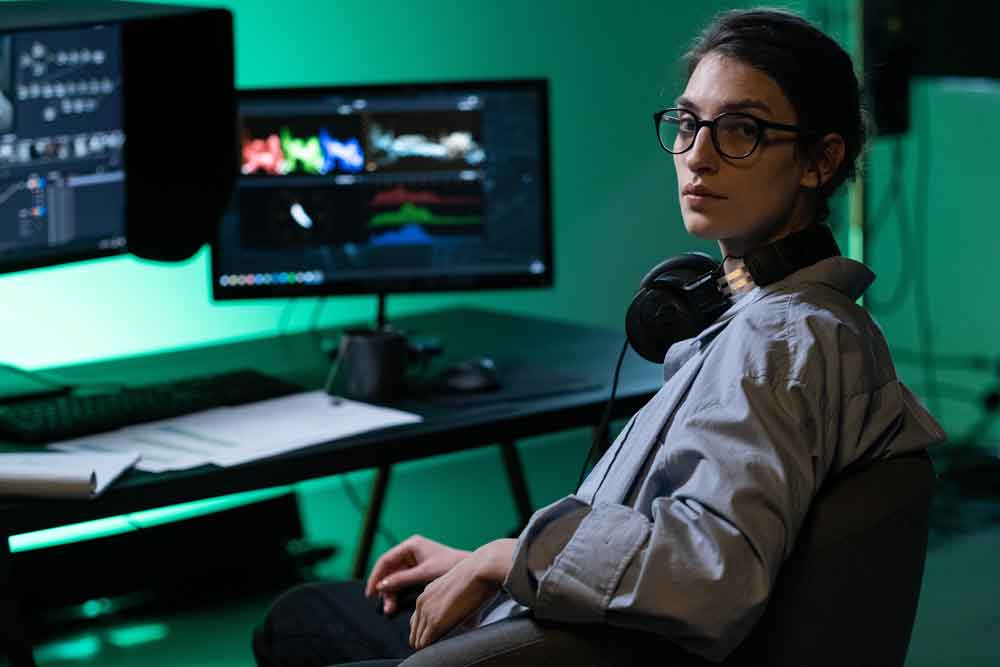
And the opportunities extend far beyond directing films. Animation encompasses illustration and character design, storyboarding, 2D and 3D animation, visual development, background art, compositing, editing, sound design, motion graphics and visual effects. Motion graphics artists create animated typography and graphics for advertising, digital media, title sequences and explainers. Illustrators and character designers help establish the look and emotional identity of entire worlds.
Women can enter through art and design, film, animation, communication design or digital-media training. Equally important are independent projects, internships, short films, collaborative portfolios and opportunities to learn production software. The field is broad enough to accommodate both those who love drawing by hand and those drawn to technology, movement and visual storytelling.
However, the playing field is still uneven. For the industry to benefit fully from women's talent, access to training must be accompanied by fair pay, safe workplaces, sustainable working hours, mentorship and a path into decision-making roles.
Progress in animation requires more than putting women on screen. They must also have a say in the stories being told and the characters being developed.

 home
 HERoes
 StrongHER
 exclusive
 bizruptors
 connect
 showcase
 engage
 grow
 goals
 period goals
 fertility and pregnancy goals
 diet and fitness goals
 finance goals
 help
 contest
 about us


