Beyond Physical Violence: Understanding The Many Forms Of Abuse Against Women
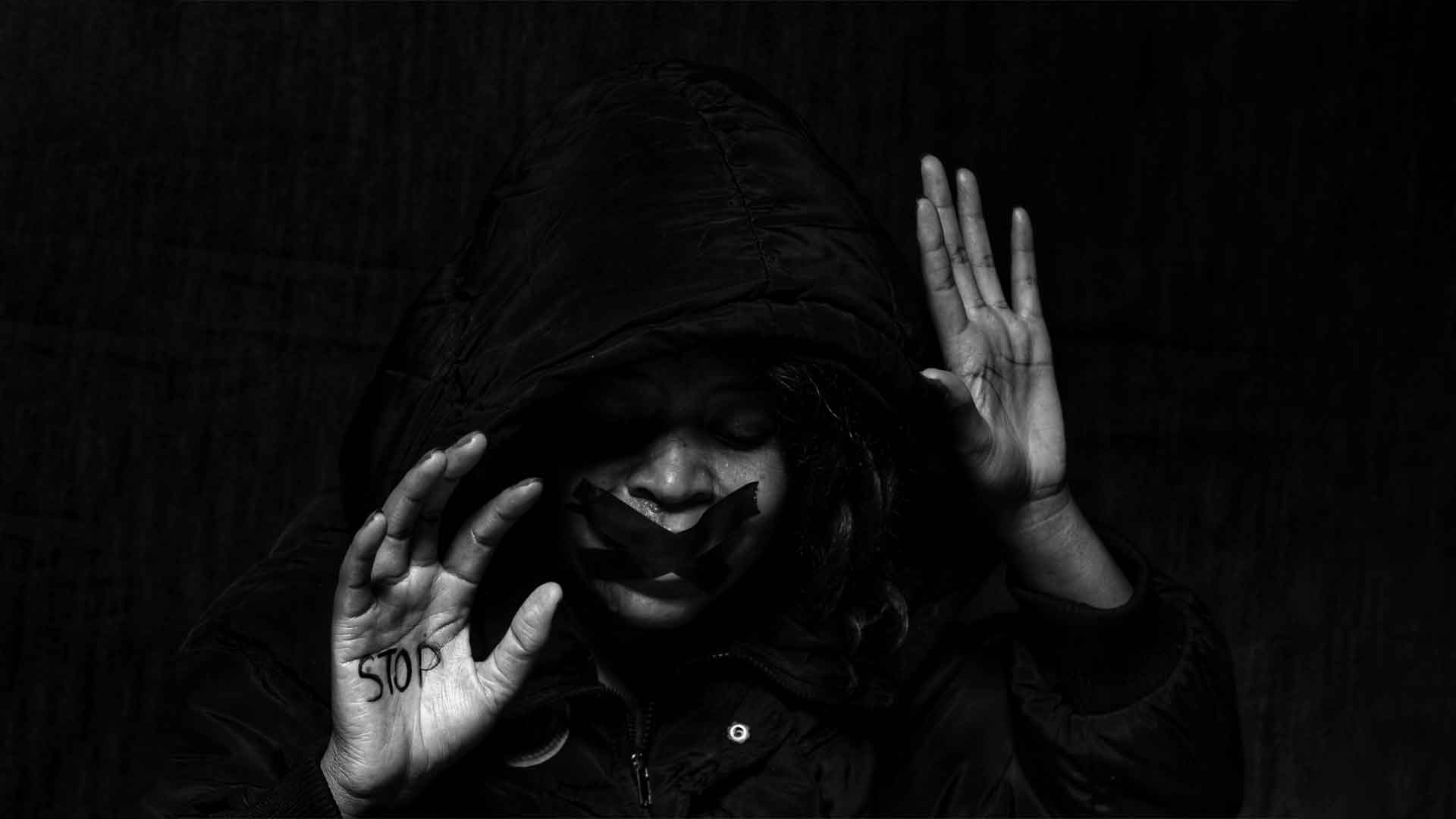
Violence against women is often imagined in its most visible forms: physical assault, injuries, bruises and broken bones. However, not all violence leaves a physical scar. Men often control women’s spending, or belittle them, making them question their own judgement. At work, men (especially those in positions of power) may use authority to intimidate or sexually harass a woman. In recent years, cybercrime has involved stalking, threatening and blackmailing women. On November 25, as we observe the International Day for the Elimination of Violence, let us recognise the many ways in which women's dignity and autonomy are violated.
Abuse Is Not Always Physical
One of the most overlooked forms of violence is emotional and psychological abuse, particularly within marriages and intimate relationships. This includes constant criticism, insults, humiliation, threats, name-calling and deliberately making a woman feel worthless, all of which can gradually erode her self-esteem. Gaslighting is another form of psychological manipulation and abuse in which a person repeatedly denies or distorts events to make the other person doubt her memory, perception or sanity.
Isolation is another common tactic, whereby women are discouraged from meeting friends, pursuing hobbies or maintaining relationships outside the marriage. This may initially appear to be possessiveness or excessive concern, but it can gradually become a way of controlling a woman’s life.
Financial abuse is equally serious. It occurs when a woman is denied access to money, prevented from working, forced to surrender her earnings, denied information about family finances or made to seek permission for even basic expenses. In some cases, she may be financially comfortable on paper but have absolutely no control over her own resources. Such behaviour should not be dismissed as marital disagreements.

Violence In The Workplace
For many women, the workplace, which should be a space of opportunity and professional growth, can become intimidating. Workplace harassment can take several forms, including unwanted sexual advances, inappropriate comments, suggestive messages, unwelcome physical contact, stalking, threats, discrimination and bullying. At times, however, harassment can be more subtle. For instance, a woman may be repeatedly undermined in meetings or denied credit for her work, or even excluded from opportunities. A superior may misuse their professional authority to demand personal favours or threaten her career if she refuses.
A culture of silence also persists in many workplaces. Women may fear losing their jobs, being labelled as difficult or damaging their reputations if they speak up. India's Sexual Harassment of Women at Workplace (Prevention, Prohibition and Redressal) Act, 2013, commonly known as the POSH Act, provides a legal framework to address sexual harassment at work. Yet awareness of complaint mechanisms and confidence in institutional support remain important challenges.
It is equally important for organisations to recognise that bullying, intimidation and gender-based discrimination deserve serious attention, even when a particular incident does not fall within the legal definition of sexual harassment.
Cyber Violence And Digital Abuse
As women's lives become increasingly connected to smartphones and social media, violence has also extended into the digital space. Cyber violence can include online stalking, persistent unwanted messages, threats, trolling, doxxing (publishing someone's private information without consent), impersonation, non-consensual sharing of intimate images, sexualised harassment and blackmail. The misuse of artificial intelligence to create sexually explicit deepfake images and videos has added another alarming dimension to the problem. Online threats can extend beyond the digital space, affecting a woman's safety and mental health.
Digital abuse should never be dismissed as harmless trolling or an unfortunate consequence of being on social media. It is a serious violation of privacy and personal dignity. In some relationships, digital surveillance can also become a means of control. Women may be forced to share passwords, or their location, leading to no privacy or freedom.

Violence Knows No Boundaries
One of the biggest misconceptions surrounding violence against women is that it predominantly affects economically disadvantaged or less educated sections of society. In reality, violence against women cuts across economic classes, levels of education, professions, religions and social backgrounds. It can occur in a modest household as well as affluent homes, across rural communities as well as metropolitan cities.
Even families in which both partners are highly educated and professionally successful are not necessarily free from abuse. In fact, women from privileged backgrounds may also face particular barriers to speaking out, including concerns about social standing, family reputation, public scrutiny and the pressure to maintain an image of a perfect marriage. The important thing to understand is that abuse is rooted in power and control, and has nothing to do with a woman's social or economic status.
Some women may not even recognise what they are experiencing as abuse, particularly when it develops gradually. Others may have repeatedly tried to address the situation, only to be blamed, dismissed or told that they need to adjust. Financial dependence, concern for children, pressure from family members, emotional attachment, threats from the abuser and uncertainty about the future can make it extremely difficult for women to seek help.
Reclaiming Independence
There is no single solution to ending violence against women, and the responsibility for abuse always lies with the perpetrator. However, awareness, access to resources and a strong support system can help women protect themselves and make informed decisions.
1. Build financial independence: Financial freedom is an important foundation of personal autonomy. Women should be encouraged to pursue education, employment, entrepreneurship and skills that can provide them with independent earning opportunities. Having a bank account in one's own name, understanding household finances, maintaining access to personal savings, and being familiar with investments, insurance and important financial documents can make a significant difference.Financial independence does not guarantee protection from abuse, but it can expand a woman's choices and reduce financial barriers to seeking help.
2. Know your legal rights: Awareness of one's legal rights is empowering. In India, the Protection of Women from Domestic Violence Act, 2005, recognises physical, sexual, verbal, emotional and economic abuse. It provides for remedies such as protection orders, residence orders, monetary relief, custody-related orders and compensation, subject to the circumstances and legal process. The POSH Act, 2013, provides a mechanism to address sexual harassment at the workplace. Women should familiarise themselves with their organisation's Internal Committee and the procedures for filing complaints. In workplaces without an Internal Committee, the appropriate Local Committee may be approached.
3. Practise digital safety: Women should use strong, unique passwords, enable two-factor authentication, review privacy settings and avoid sharing sensitive personal information publicly. It is important to regularly review app permissions, location-sharing settings, logged-in devices and access to personal accounts. Passwords and verification codes should never be shared under pressure. In cases of cyber harassment, stalking or threats, preserve screenshots, URLs, messages and other relevant evidence where it is safe to do so. Report abusive accounts to the platform and seek help through the appropriate cybercrime reporting channels. Cybercrime can be reported by calling 1930.
4. Maintain a support network: Isolation makes it harder to seek help. Maintaining connections with trusted friends, family members, colleagues and support organisations can provide emotional and practical assistance. Women experiencing abuse should know whom they can contact in an emergency and where they can go if they need a safe place. They can also dial the Women Helpline (181) to request assistance.
5. Seek professional and legal support: Counselling, legal advice and survivor-support organisations can help women understand their options and plan their next steps. There is no shame in asking for help, and seeking support does not mean that a woman must immediately make decisions about leaving a relationship or pursuing legal action. Where there is a threat to immediate safety, seeking emergency assistance should take priority.

Empowering women is essential, but ending violence cannot become a responsibility placed exclusively on women. Families must stop normalising controlling behaviour and victim-blaming. Employers need to establish safe workplaces and take complaints seriously. If there is online abuse, digital platforms have to act against it. Law enforcement agencies and institutions must also ensure that survivors are heard and protected. Men, too, have an important role to play by questioning harmful ideas of masculinity, respecting boundaries and refusing to remain silent when they witness abuse.

 home
 HERoes
 StrongHER
 exclusive
 bizruptors
 connect
 showcase
 engage
 grow
 goals
 period goals
 fertility and pregnancy goals
 diet and fitness goals
 finance goals
 help
 contest
 about us


