The Teachers Who Refuse To Let Girls Drop Out In India
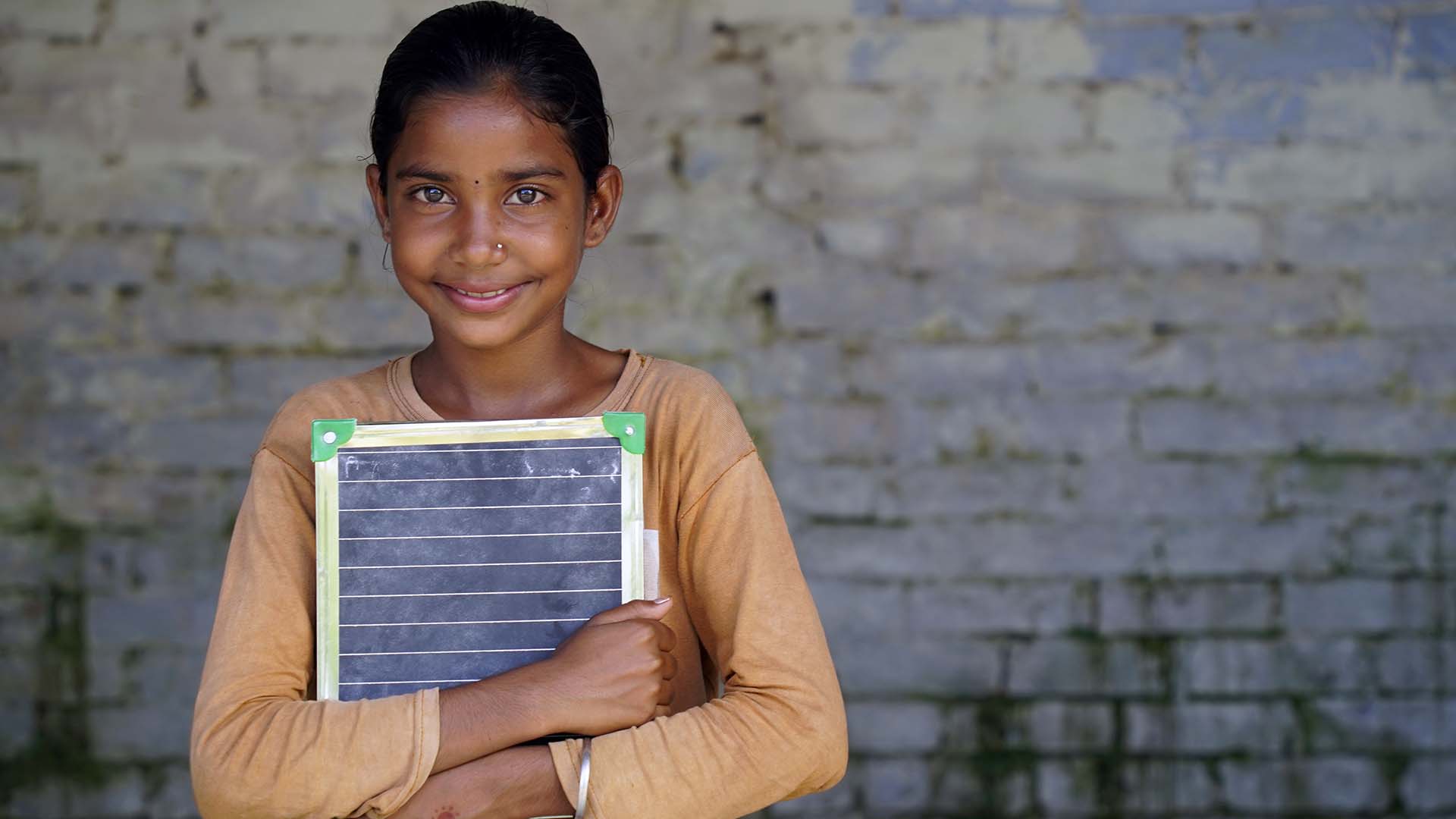
A classroom can only do so much when the biggest barriers to a girl’s education exist outside it.
A school may be open, but too far from home. A girl may want to continue studying, but her parents may see little value in educating her beyond a certain age. A language barrier can make a child feel like an outsider. Menstruation can keep adolescent girls away from school, while poverty, household responsibilities and child marriage can bring their education to an abrupt end.
According to the Periodic Labour Force Survey (PLFS) 2023 to 24, conducted by the National Sample Survey Office (NSSO) under the Ministry of Statistics and Programme Implementation, the female literacy rate among those aged seven years and above was 74.6 per cent, up from 57.93 per cent in 2011. That still means roughly one in four females aged seven and above remains non-literate.
The scale of the gap becomes clearer when we look at the 2011 Census, which recorded 16.68 crore non-literate women aged 15 and above, compared with 9.08 crore non-literate men.
But literacy is only one part of the story. Secondary education remains a critical stage for keeping girls in school. According to UDISE+ data, 9.6 per cent of girls enrolled in secondary school dropped out in 2024 to 25, compared with 3.5 per cent at the upper primary level. While dropout rates have improved over the years, staying in school can still depend on circumstances far beyond the classroom. Poverty, distance, household responsibilities, inadequate sanitation, gender norms and child marriage can all play a role. For many girls, continuing their education depends not just on whether a school exists, but on whether they have the support and circumstances they need to remain there.
Across India, some teachers have recognised this and chosen to step outside the traditional boundaries of their jobs. They have gone into communities, spoken to parents, created new learning spaces, made education more accessible and confronted practices such as child marriage.
These are the teachers who refused to see a girl’s absence from school as the end of her education.
Dr Mohammad Shaikh, Maharashtra: The Teacher Who Brought Secondary School Closer To Girls
In 2016, Dr Mohammad Shaikh, a science teacher and headmaster at Zilla Parishad High School in Ardhapur, Nanded, noticed a troubling pattern. Girls from nearby schools were completing Class 7 and then dropping out. The secondary school was far from their villages, and concerns about their safety made many parents reluctant to let their daughters travel that distance every day.
Shaikh decided that if distance was keeping girls out of school, the answer was to bring the school closer to them. He rented five rooms in villages around Ardhapur and set up classrooms there, allowing girls to continue their secondary education closer to home. His ‘Safe Education at Your Doorstep’ initiative addressed both the distance and safety concerns that had prevented many girls from continuing their studies. According to his official National Teachers’ Award citation, the initiative provided safe education to more than 2,000 girls.
Shaikh also recognised that getting girls into classrooms was only part of the problem. Menstrual health could also affect attendance, particularly for adolescent girls. His initiatives included making more than five lakh sanitary napkins available to students and installing a sanitary napkin vending machine on school premises. His work also helped students continue into higher education, including medical studies.
Dr Mohammad Shaikh holds an MSc, an MEd and a PhD, and has cleared the National Eligibility Test in three subjects. With more than 28 years in school education, he has continued to work in the classroom. In 2025, he received the National Teachers’ Award.
Chandana Dutt, Bihar: The Teacher Who Wouldn’t Accept an All-Boys School
Sometimes, the biggest obstacle is not the absence of a school. It is the belief that a girl does not need one. When Chandana Dutt joined Ranti Higher Secondary School in Madhubani, Bihar, as an English teacher in 2005, there were no girls enrolled at the school.
Rather than waiting for that to change, Dutt took her campaign beyond the classroom. She began visiting neighbourhoods around the school before and after school hours, speaking directly to parents and persuading them to send their daughters to school. Her approach was simple and personal. If families were not bringing their daughters to school, she would go to the families.
Over time, the school’s student population began to change. By the time Dutt was recognised for her work, girls accounted for around 60 per cent of the school’s enrolment, with many coming from underprivileged backgrounds.
Her grassroots efforts earned her the National Award to Teachers in 2021, making her the first Shiksha Mitra, a contractual teacher, to receive the national honour.
Dutt’s approach to education also extends to the way she teaches. She uses Madhubani or Mithila art, local folklore and stories to make lessons more relatable to her students.
She also writes poetry and children’s literature in Maithili and Hindi, including the short story collection Ganga Snan and the children’s poetry collection Chahak. Her story is a reminder that getting girls into school can begin long before the school bell rings. Sometimes, the first step towards education is convincing a family that their daughter belongs in the classroom.
Prakash, Karnataka: The Teacher Who Refused To Give Up On His Students
In Koppal, Karnataka, science teacher Prakash has spent more than two decades working to keep children in school, particularly girls whose education is threatened by poverty, gender bias and child marriage.
Posted to the Government Higher Primary School in Budugumpa in 2002, Prakash quickly realised that his role extended well beyond teaching mathematics and science. When he learnt that girls were at risk of being married off or leaving school, he stepped in. He visited families, spoke to parents about the importance of education and, where financial difficulties were involved, helped them explore available support. In one case, he persuaded a family to postpone their daughter’s marriage until she turned 18. In another, he convinced parents to cancel a planned marriage, allowing the girl to continue her education.
His work with children does not stop when they leave his classroom. Prakash follows up with students after primary school to find out whether they have continued their education at nearby high schools. He has also worked with the community to push for a high school in the area, recognising that the lack of a nearby school can itself become a reason for children to drop out.
Ranjitsinh Disale, Maharashtra: The Teacher Who Made Girls’ Education His Mission
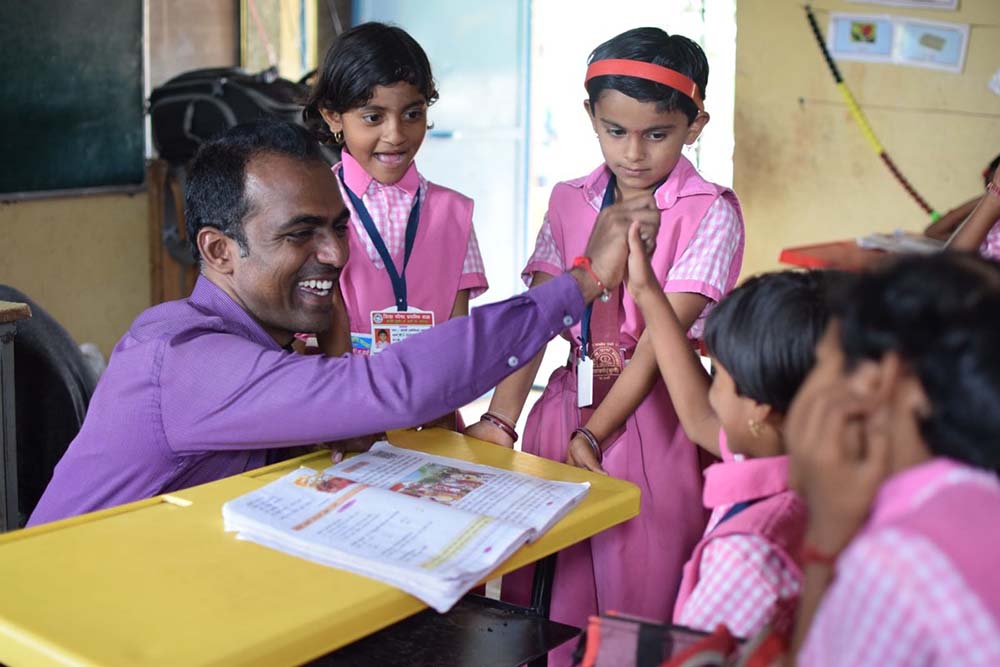
When Ranjitsinh Disale arrived at the Zilla Parishad Primary School in Paritewadi, Solapur, in 2009, he encountered several barriers at once. The school building was in poor condition. Many of the girls came from tribal communities where teenage marriage was common, and school attendance could be extremely low. The curriculum was also not available in the children’s primary language, Kannada. Disale began with something fundamental. He learnt their language.
He translated textbooks into Kannada and introduced QR codes that gave students access to audio poems, videos, stories and assignments. The approach made learning material more accessible to children who had previously struggled with the language of instruction. By the time he was recognised with the Global Teacher Prize in 2020, the school had achieved 100 per cent attendance among girls and no teenage marriages were being reported in the village. His QR code innovation also went beyond his own school. QR codes were adopted in Maharashtra’s textbooks and later incorporated into NCERT textbooks.
In 2020, Disale became the first Indian winner of the Global Teacher Prize, recognised for transforming educational opportunities for girls in rural Maharashtra.
Kishorkumar M.S., Kerala: The Teacher Who Makes Sure Girls Don’t Fall Through The Cracks
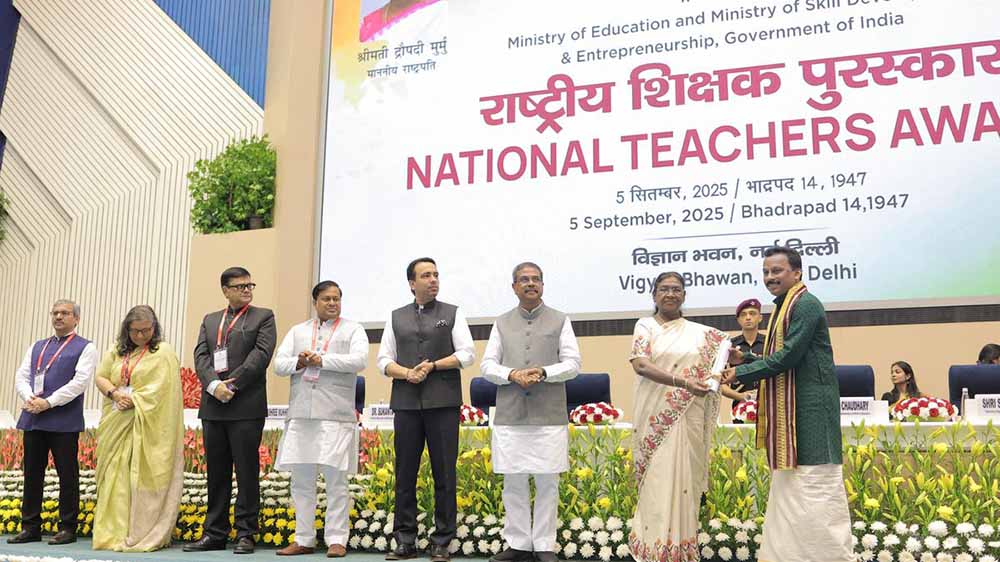
Image Credit: Ministry of Education India
In Kerala, teacher Kishorkumar M.S. has taken an equally expansive view of what it means to be an educator. The official National Teachers’ Award citation describes his work as being focused on empowering girls from marginalised communities and reducing girls’ dropout rates.
But perhaps the most telling part of his work is what he does when a girl is at risk of disappearing from the education system. He goes looking for her. Kishorkumar visits remote villages, speaks to families and works to build the trust needed to keep girls connected to school. He has also used platforms including All India Radio to create awareness, organised health camps and worked to improve school facilities and hygiene.
Kishorkumar’s work recognises that dropping out is rarely caused by one problem. He was among the 45 recipients of India’s National Teachers’ Award in 2025.
Vimla Kaul, Delhi: The Teacher Who Kept The Door Open
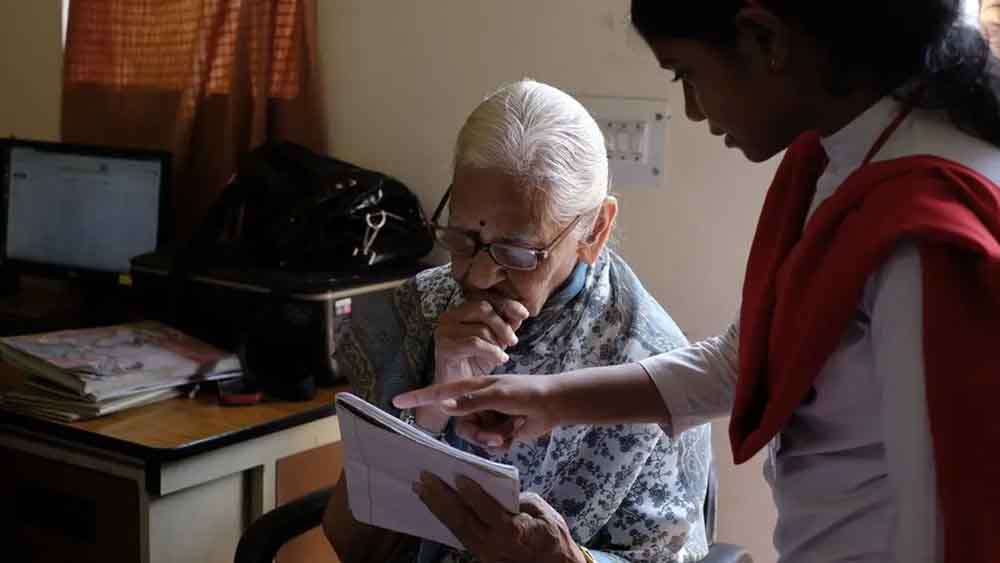
Image Credit: BBCINDIA/MANSI THAPLIYAL
Not every story of educational intervention begins inside a school building. Vimla Kaul’s story is slightly different from the others mentioned here. Her work was not exclusively focused on girls’ secondary school retention. But it belongs in this conversation because it represents another crucial part of preventing exclusion: making sure children who have already been left behind have a route back into education.
After retiring as a government school teacher, Vimla Kaul continued teaching children from underprivileged communities in Delhi. Along with her husband, she established Guldasta, a learning centre that began in the Madanpur Khadar area. The project started with a small group of children. Kaul noticed that many children were spending their days on the streets and needed basic learning support before they could enter mainstream schools.
By 1997, she was teaching nearly 70 children while also helping students gain admission to mainstream government schools. Guldasta’s work also extended to women and girls through vocational classes, including tailoring and computer skills.
She continued this work for decades after retirement, becoming known for her efforts to provide education to underprivileged children in Delhi.

 home
home HERoes
 StrongHER
 exclusive
 bizruptors
 connect
 showcase
 engage
 grow
grow goals
goals period goals
 fertility and pregnancy goals
 diet and fitness goals
 finance goals
 help
help contest
 about us


