From Self-Help Groups to Drones: How Women Are Expanding Their Place in India’s Economy
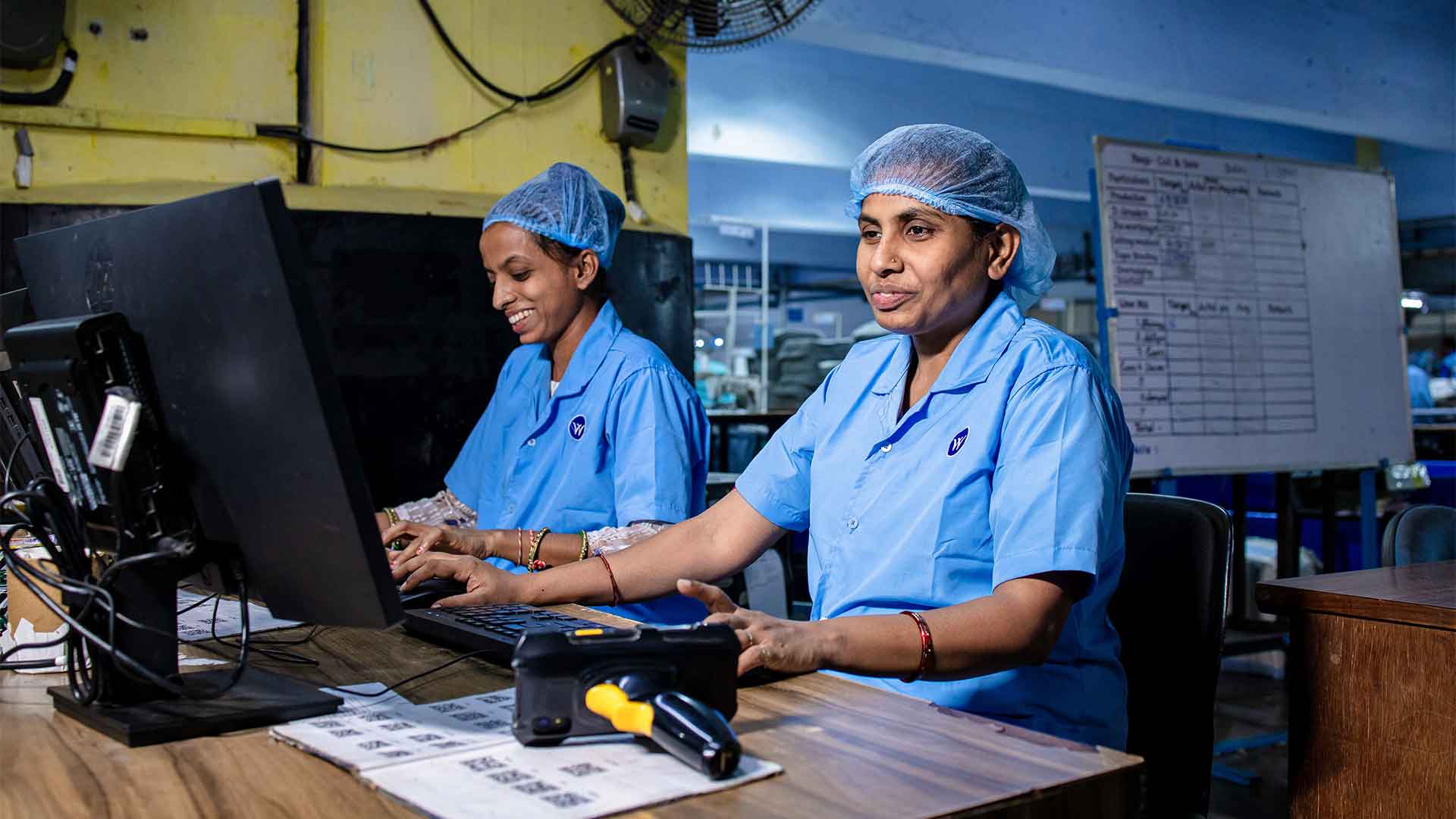
For generations, women have contributed to India’s economy in ways that have often gone unrecognised, managing farms, running households, making products, supporting family businesses and keeping local communities afloat. But increasingly, women are stepping into roles that give their work greater visibility, financial value and independence.
Across India, initiatives focused on financial inclusion, entrepreneurship and skill development are opening up new opportunities for women. The shift is visible in many forms: from rural women coming together through self-help groups (SHGs) to entrepreneurs accessing government markets, and even women learning to operate agricultural drones.
The power of women coming together
One of the biggest drivers of this change has been the growth of self-help groups. Through the Deendayal Antyodaya Yojana–National Rural Livelihoods Mission (DAY-NRLM), more than 10 crore women have been brought into SHGs across rural India.
These groups do more than encourage savings. They can help women access credit, develop skills, start small businesses and build networks of support. For someone who may have had limited access to formal banking or business opportunities, being part of a collective can be an important first step towards financial independence.
The scale of these groups also reflects the potential of women-led community networks. With reported loan repayment rates of over 98%, SHGs demonstrate how access to financial resources, when paired with collective support, can strengthen livelihoods.
When technology opens new doors
Women’s economic participation is also moving into newer, technology-led spaces. Under the NaMo Drone Didi initiative, women from self-help groups are being trained to operate agricultural drones. These drones can be used for tasks such as spraying fertilisers and pesticides, while trained operators can earn through drone rental services.
It is a striking shift in how we imagine rural women’s work. Women who have long been central to agriculture are now being trained to use technology that can make farming more precise and create additional income opportunities.
The larger opportunity lies in ensuring that training translates into sustained work, with access to equipment, maintenance support, markets and fair earnings.
From small enterprises to bigger markets
For many women, starting a business is only half the journey. Finding customers, accessing capital and reaching larger markets can be just as challenging.
Initiatives such as the Lakhpati Didi programme aim to support women in self-help groups in building sustainable livelihoods and achieving annual household incomes of more than ₹1 lakh. Meanwhile, the Womaniya initiative on the Government e-Marketplace helps women-led businesses connect with government buyers, giving them a route to markets beyond their immediate communities.
Financial inclusion schemes such as Pradhan Mantri Jan Dhan Yojana, Pradhan Mantri Mudra Yojana and Stand-Up India also seek to improve women’s access to banking and business finance.
Building financial security from an early age
Economic empowerment also begins much earlier than a woman’s first job or business. The Sukanya Samriddhi Yojana, launched in 2015, encourages families to save for a girl child’s future education and financial needs. According to the article, deposits under the scheme crossed ₹3.33 lakh crore by December 2025.
Such savings initiatives can help families plan for girls’ futures, although long-term financial independence also depends on access to education, opportunities and the ability to make financial decisions.
Beyond schemes: What meaningful empowerment looks like
These initiatives point towards an important change: women are not simply being included in the economy as beneficiaries. They are increasingly being supported as entrepreneurs, skilled workers, producers and technology users.
But access to a scheme is only the beginning. For economic empowerment to last, women need more than training or a bank account. They need control over their earnings, affordable credit, safe working conditions, access to markets, digital literacy and the freedom to decide how their money is used.

 home
 HERoes
 StrongHER
 exclusive
 bizruptors
 connect
 showcase
 engage
 grow
 goals
 period goals
 fertility and pregnancy goals
 diet and fitness goals
 finance goals
 help
 contest
 about us


