According to a recent study conducted at the Indian Institute of Technology Patna (IIT-P), long-standing gender stereotypes still have a big impact on women's career choices in Bihar and Jharkhand's higher education institutions. The report makes it abundantly evident how gender stereotypes impact employment by restricting women's professional options, even in the face of alleged women's empowerment.
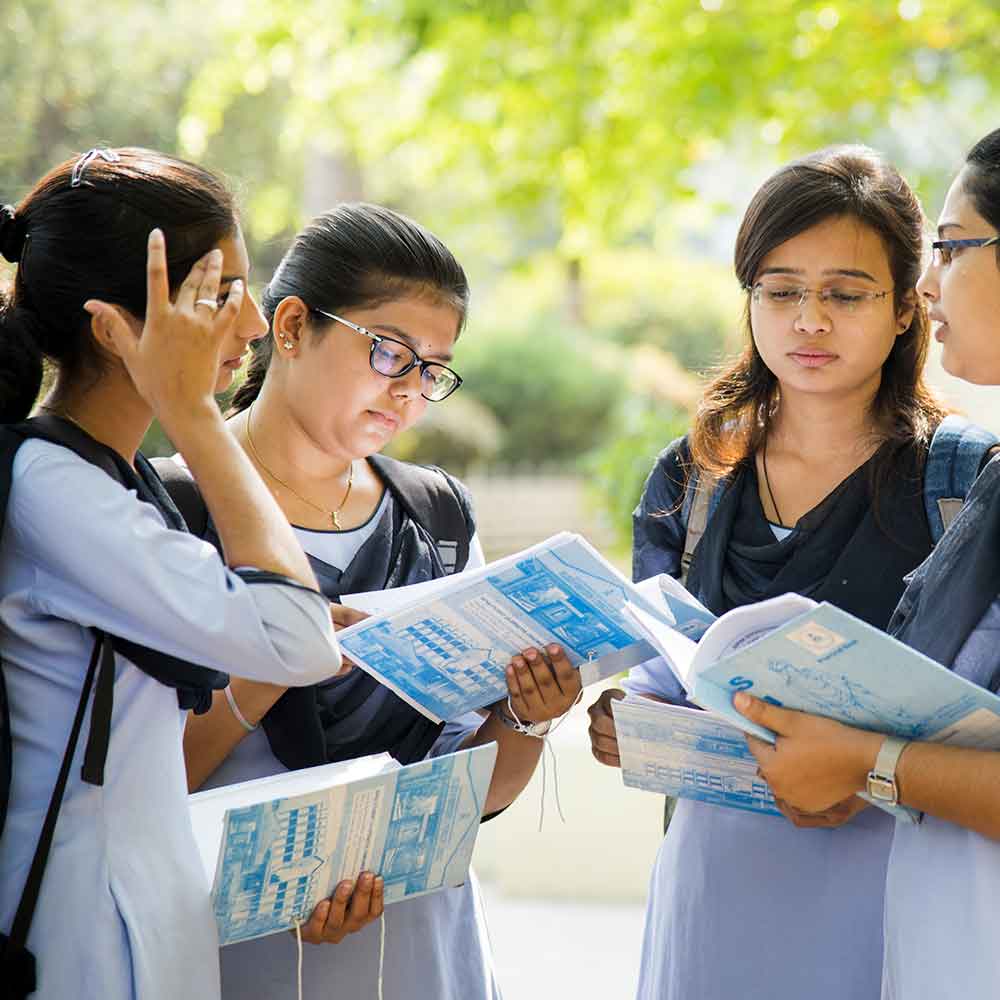
According to the study, male students tend to favour technical occupations since they are perceived as masculine, while female students are more likely to pursue careers in teaching and nursing. It also suggests that school settings have a significant influence on developing cognitive thinking during their formative years by exposing students to their expected social roles. As a result, real-world occupations are frequently perceived as masculine and favouring men, whereas social and artistic positions are typically linked with femininity, which favour women.

Although there are no gender differences in academic performance, parents are more likely to believe that science is less interesting and more difficult for their daughters than for their sons. Interestingly, the research findings show that female respondents had a nuanced perspective that challenges assumptions about their attitudes towards teaching and leadership jobs in science and technology. According to the study, gender discrimination is not limited to language and linguistic codes; it can also be found in other forms of expression, such as the colours used in artwork and the sizes and shapes of symbols, which help to establish and contextualise gender preconceptions in the minds of others.
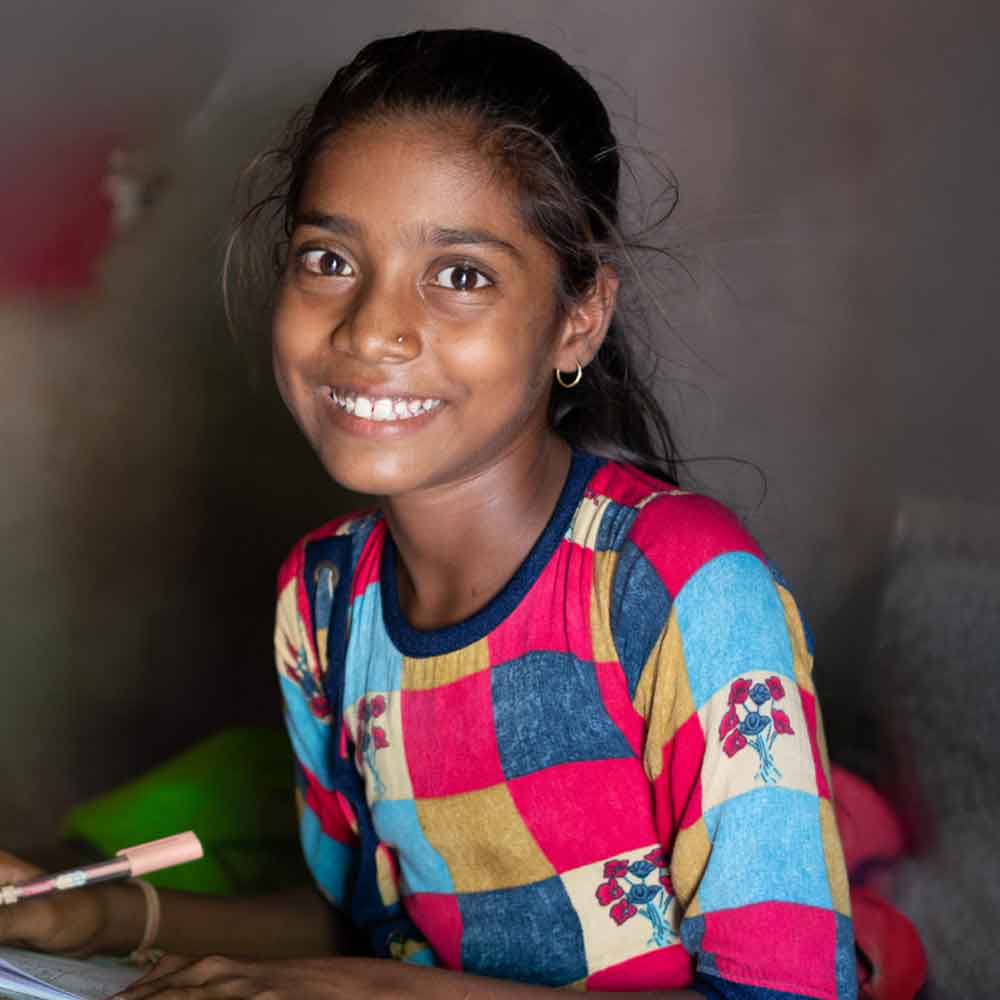
The socio-cognitive impacts of gender stereotypes in the linguistic environment of 12 higher education institutions in Bihar and Jharkhand, as well as their influence on equal opportunities for women, have been examined in this study. The study's conclusions highlight the necessity of continual initiatives to confront and eliminate gender stereotypes in professional and educational contexts. Teachers, legislators, and the general public can help create a more diverse and equitable environment at higher education institutions and beyond by being aware of and combating these biases.